
Entertainment
17 Sundance-Winning Films Everyone Should Watch: A Professional List


Table of Contents
Introduction
The Sundance Film Festival is one of the most prestigious film festivals in the world, known for showcasing groundbreaking independent films. Over the years, the festival has been a launching pad for many critically acclaimed and commercially successful films. Sundance has become synonymous with independent cinema, and its influence on the film industry cannot be overstated.

One of the most exciting aspects of the Sundance Film Festival is the discovery of new talent and the recognition of innovative films that may not have been seen otherwise. The festival has a long history of awarding films that go on to become critical and commercial successes. With so many films to choose from, it can be overwhelming to decide which ones to watch. In this article, we will explore 17 Sundance-winning films that everyone should watch.
Key Takeaways
- Sundance is a prestigious film festival known for showcasing groundbreaking independent films.
- The festival has a long history of awarding films that go on to become critical and commercial successes.
- This article explores 17 Sundance-winning films that everyone should watch.
Evolution of Sundance and Its Impact on Independent Cinema

Sundance Film Festival has come a long way since its inception in 1978. Founded by Robert Redford, the festival was created to showcase independent films that were not getting the recognition they deserved. Over the years, Sundance has evolved into one of the most prestigious film festivals in the world, with many of its winning films going on to achieve critical and commercial success.
The impact of Sundance on independent cinema cannot be overstated. The festival has provided a platform for many filmmakers to showcase their work and has helped to launch the careers of some of the most successful directors in the industry. Some of the most iconic films of the past few decades, such as Reservoir Dogs, Little Miss Sunshine, and Whiplash, premiered at Sundance.
One of the most significant impacts of Sundance has been its role in the rise of streaming services. As traditional studios have become more risk-averse, streaming services like Netflix and Amazon have stepped in to fill the void. These services have been investing heavily in independent films, many of which have premiered at Sundance. This has led to a democratization of the film industry, with more opportunities for independent filmmakers to get their work seen by a wider audience.
Sundance has also played a crucial role in promoting diversity in the film industry. The festival has been at the forefront of championing films by and about underrepresented communities, such as Moonlight and The Birth of a Nation. Sundance has also been proactive in addressing issues of gender and racial inequality in the film industry, with initiatives such as the Women at Sundance program and the Sundance Institute’s Diversity Initiative.
Overall, Sundance has had a profound impact on the film industry, particularly in the area of independent cinema. Its commitment to showcasing innovative and diverse films has helped to push the boundaries of what is possible in filmmaking, and its influence is likely to continue for many years to come.
Critically Acclaimed Sundance Dramas

Whiplash
Whiplash is a 2014 drama film directed by Damien Chazelle. The movie tells the story of a young drummer, Andrew Neyman (Miles Teller), who enrolls in a prestigious music conservatory in New York City. He is mentored by Terence Fletcher (J.K. Simmons), a demanding and abusive instructor who pushes him to the brink of his abilities.
The film premiered at the Sundance Film Festival in 2014 and went on to win the Grand Jury Prize and the Audience Award. It received critical acclaim for its performances, direction, and screenplay. J.K. Simmons won an Academy Award for Best Supporting Actor for his role in the film.
Boyhood
Boyhood is a 2014 coming-of-age drama film directed by Richard Linklater. The movie follows the life of Mason Evans Jr. (Ellar Coltrane) from the age of six to eighteen. The film was shot over a period of twelve years, with the same cast and crew returning each year to continue filming.
The film premiered at the Sundance Film Festival in 2014 and won the Grand Jury Prize and the Audience Award. It received critical acclaim for its unique approach to storytelling, as well as its performances and direction. The film was nominated for six Academy Awards, including Best Picture, and won the award for Best Supporting Actress for Patricia Arquette.
Beasts of the Southern Wild
Beasts of the Southern Wild is a 2012 drama film directed by Benh Zeitlin. The movie tells the story of a young girl named Hushpuppy (Quvenzhané Wallis) who lives in a remote bayou community in Louisiana. When a storm threatens to destroy her home, Hushpuppy sets out on a journey to find her mother and save her community.
The film premiered at the Sundance Film Festival in 2012 and won the Grand Jury Prize and the Excellence in Cinematography Award. It received critical acclaim for its performances, direction, and cinematography. The film was nominated for four Academy Awards, including Best Picture, and won the award for Best Cinematography.
Groundbreaking Sundance Documentaries

The Cove
“The Cove” is a 2009 documentary that won the Audience Award at the Sundance Film Festival. The film follows a group of activists as they try to uncover the truth about dolphin hunting in Japan. The documentary is a powerful exposé of the brutal and inhumane practices of dolphin hunting and the cover-up that surrounds it. It includes footage of the dolphin slaughters, which are graphic and disturbing. The film was directed by Louie Psihoyos and produced by Fisher Stevens.
Hoop Dreams
“Hoop Dreams” is a 1994 documentary that won the Audience Award at the Sundance Film Festival. The film follows two young African-American high school students in Chicago who dream of becoming professional basketball players. The documentary is a powerful exploration of race, class, and the American Dream. It is a moving and inspiring story that captures the struggles and triumphs of two young men as they try to overcome the obstacles that stand in the way of their dreams. The film was directed by Steve James.
Super Size Me
“Super Size Me” is a 2004 documentary that won the Grand Jury Prize at the Sundance Film Festival. The film follows filmmaker Morgan Spurlock as he eats nothing but McDonald’s food for 30 days. The documentary is a powerful indictment of the fast food industry and its impact on public health. It includes interviews with experts in the field of nutrition and public health, as well as footage of Spurlock’s deteriorating health over the course of the experiment. The film was directed by Morgan Spurlock.
Sundance Hits That Redefined Genres

Sundance Film Festival has been a platform for independent filmmakers to showcase their work and has produced some of the most iconic movies of our time. These movies have not only entertained but also redefined genres. Here are a few Sundance hits that did just that.
Get Out
Jordan Peele’s directorial debut, “Get Out,” premiered at Sundance in 2017 and went on to become a cultural phenomenon. It redefined the horror genre with its social commentary, humor, and suspense. The movie follows a young African American man who visits his white girlfriend’s family for the weekend, only to discover a sinister plot.
“Get Out” won the Grand Jury Prize and the Audience Award at Sundance, and Peele won the Academy Award for Best Original Screenplay. The movie’s success paved the way for more diverse voices in the horror genre.
Little Miss Sunshine
“Little Miss Sunshine” premiered at Sundance in 2006 and won the Audience Award. The movie redefined the road trip genre with its dysfunctional family and heartwarming moments. The movie follows the Hoover family as they embark on a road trip to get their daughter to a beauty pageant.
The movie’s ensemble cast, including Steve Carell, Toni Collette, and Abigail Breslin, delivered outstanding performances. “Little Miss Sunshine” proved that independent movies could compete with big-budget Hollywood films.
Reservoir Dogs
Quentin Tarantino’s directorial debut, “Reservoir Dogs,” premiered at Sundance in 1992 and redefined the crime genre. The movie follows a group of criminals who come together to pull off a diamond heist, but things go wrong.
The movie’s nonlinear narrative, pop culture references, and violence shocked audiences and critics alike. “Reservoir Dogs” became a cult classic and paved the way for Tarantino’s future success.
These Sundance hits not only entertained audiences but also redefined their respective genres. They proved that independent movies could compete with big-budget Hollywood films and paved the way for more diverse voices in the film industry.
Frequently Asked Questions

What are the top award-winning films from the 2023 Sundance Film Festival?
The 2023 Sundance Film Festival showcased a range of exceptional films, but some of the top award-winning films include “Cassandro,” “Passing,” and “The Humans.” Each of these films won awards in multiple categories and received critical acclaim for their storytelling, cinematography, and performances.
Which Sundance films from 2023 are available to stream on platforms like Netflix?
Many of the award-winning films from the 2023 Sundance Film Festival are now available to stream on popular platforms like Netflix. “Passing,” “The Humans,” and “Cassandro” are all available to watch on the streaming service.
Have any Sundance Film Festival winners gone on to win the Academy Award for Best Picture?
Yes, several films that premiered at the Sundance Film Festival have gone on to win the Academy Award for Best Picture, including “Moonlight,” “Spotlight,” and “Birdman.” These films have demonstrated the high caliber of work that comes out of the Sundance Film Festival and the impact that these films have on the industry.
What were the standout favorites from the 2023 Sundance Film Festival?
Some of the standout favorites from the 2023 Sundance Film Festival include “Cassandro,” “Passing,” and “The Humans.” These films received high praise from audiences and critics alike for their unique storytelling, powerful performances, and thought-provoking themes.
How can I access and watch the best films from Sundance 2023?
Many of the top films from the 2023 Sundance Film Festival are now available to watch on popular streaming services like Netflix and Amazon Prime Video. Additionally, some of the films may be available for rental or purchase on platforms like iTunes or Google Play.
What are some of the greatest films of all time that have originated from the Sundance Film Festival?
The Sundance Film Festival has been a launching pad for many iconic films over the years. Some of the greatest films of all time that originated from the festival include “Reservoir Dogs,” “Little Miss Sunshine,” “Beasts of the Southern Wild,” and “Whiplash.” These films have had a lasting impact on the industry and continue to inspire filmmakers today.
Discover more from The Monitor
Subscribe to get the latest posts sent to your email.



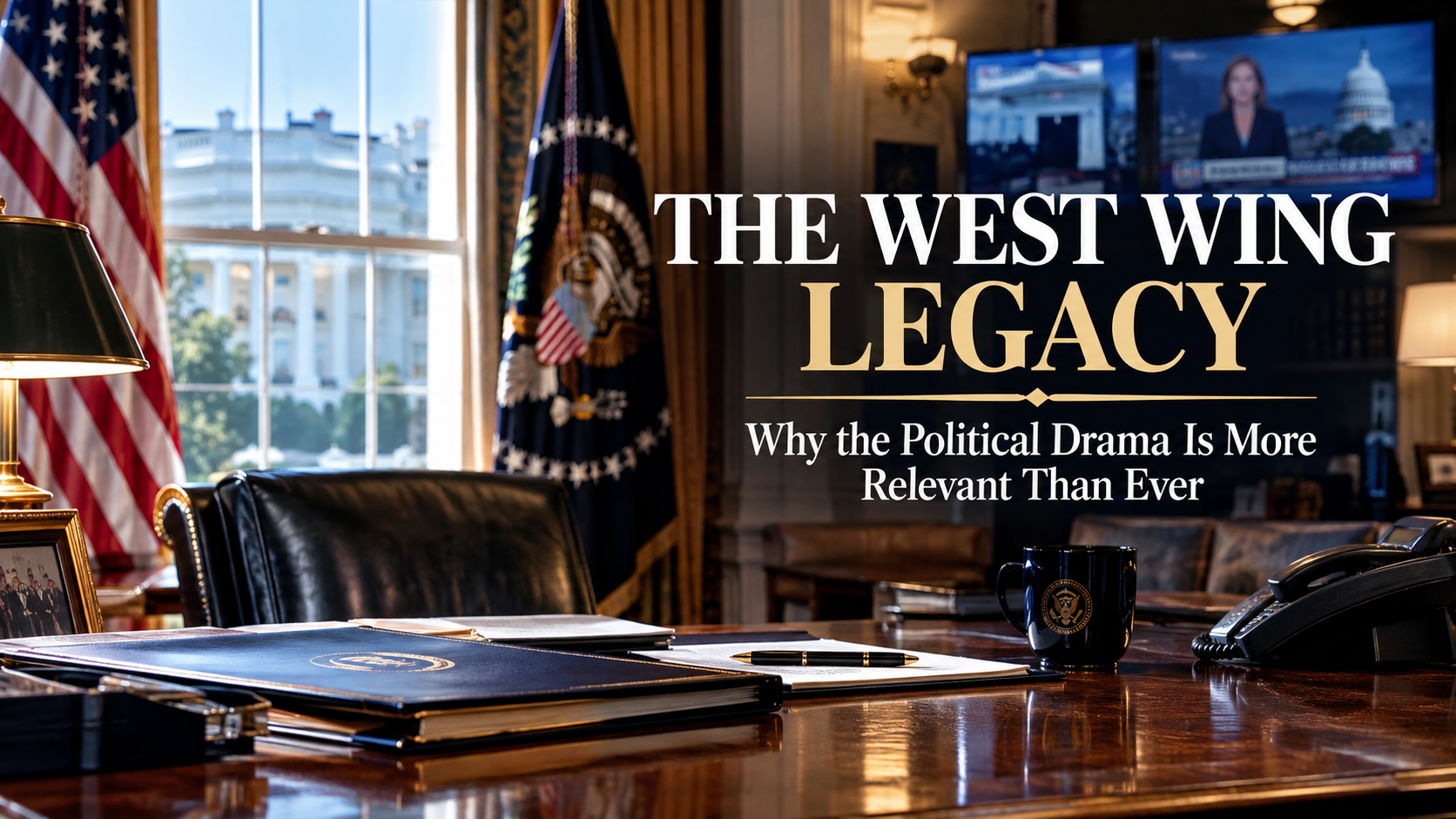
Twenty-seven years after its premiere, The West Wing is still being rewatched, argued over, and quoted, which is a good sign that it was about more than any single administration.
Key Takeaways
- Awards: the series earned 96 Emmy nominations across seven seasons and won 26, including four consecutive Best Drama Series awards beginning in 2000 (Gold Derby).
- Length: it ran 154 episodes from 1999 to 2006 (Denver Gazette).
- Streaming staying power: since arriving on Max in 2020, it had clocked 212 million viewing hours by 2024, according to Nielsen data cited by IndieWire via IMDb.
- Revival? Creator Aaron Sorkin has said he is reluctant to revisit the show, for fear it will not live up to his memories of making it (IndieWire via IMDb). No revival has been confirmed.
| Fact | Detail |
|---|---|
| Premiere | September 22, 1999 (NBC) |
| Run | Seven seasons, 154 episodes |
| Emmys | 26 wins, 96 nominations |
| Best Drama Series wins | Four straight, 2000–2003 |
| Core cast | Martin Sheen, John Spencer, Bradley Whitford, Richard Schiff, Allison Janney, Rob Lowe |
What Made It Different
The West Wing followed the fictional administration of President Josiah “Jed” Bartlet, a Democrat from New Hampshire, and his senior staff (Blogcritics). Its signatures were:
- The walk-and-talk. Characters delivered dense dialogue while moving through corridors, a style associated with Sorkin and director Thomas Schlamme.
- Competence as drama. Policy and process were treated as exciting.
- Ensemble storytelling. Gold Derby’s retrospective notes that Sorkin won six Emmys for the show and Schlamme six more, with Allison Janney winning four (Gold Derby).
Sorkin and the cast describe being surprised by early success as a freshman show competing with The Sopranos (Gold Derby).
Why It Still Resonates
1. The institutions still feel familiar
Debates over staffing, press briefings, legislation, and crisis management have not gone out of style. At C2E2 2026, actor Dulé Hill said the show does not seem archaic today, adding that so many issues remain current (Popverse).
2. It offers a comfort-watch version of governance
The Royal Television Society called it idealistic, rose-tinted comfort viewing, “fantasy wish-fulfilment” about public service (RTS). That quality is both its appeal and its most common criticism.
3. It is endlessly rewatchable
The show was the last network drama to run seven seasons without an obvious decline, one critic argued, even as another noted that later seasons feel different after Sorkin’s departure (Denver Gazette).
The Critical Re-evaluation
The West Wing is not immune to second looks. Commentators, especially on the right, have reassessed it as a “technocratic fairy tale” in which progressive values win through sheer virtue (Denver Gazette). Supporters respond that it dramatized serious disagreement and moral trade-offs, and fans of every political stripe still find things to love.
The fairest summary: it is a show about what governing could look like when people argue in good faith, and that premise gets tested differently in each political era.
| Case for relevance | Case for caution |
|---|---|
| Timeless themes of duty, compromise, and leadership | Idealized portrayal of government |
| Sharp writing and acting still hold up | Reflects Clinton-era assumptions |
| Remains highly watched on streaming | Some storylines feel dated |
The Revival Question
Fans have asked about a revival for years. In a 2024 interview, Sorkin said he is wary of going back to the show (IndieWire via IMDb). In 2026 his attention is on a film sequel to The Social Network, The Social Reckoning, set for an October 9 release (Popverse).
If you want new West Wing-style storytelling today, the closest thing is rewatching the original with fresh eyes.
Where to Watch
The series has been available on Max in the U.S. in recent years (IndieWire via IMDb) and airs on Channel 4 in the UK (RTS). Availability changes, so check your local streaming listings.
Frequently Asked Questions
How many seasons and episodes of The West Wing are there?
Seven seasons and 154 episodes (Denver Gazette).
How many Emmys did The West Wing win?
Twenty-six (Gold Derby).
Is there a West Wing reboot?
No confirmed revival; Sorkin has voiced reluctance.
Why is The West Wing still popular?
Strong writing, an ensemble cast, and themes of public service that continue to feel current.
Who played the president?
Martin Sheen played President Josiah Bartlet.
The West Wing did not predict the future. It offered a standard for how public life might be talked about, and that is why people keep coming back to it.
Discover more from The Monitor
Subscribe to get the latest posts sent to your email.
Entertainment
Remembering Kianna Underwood: The Nickelodeon Actress Behind “All That” and “Little Bill”
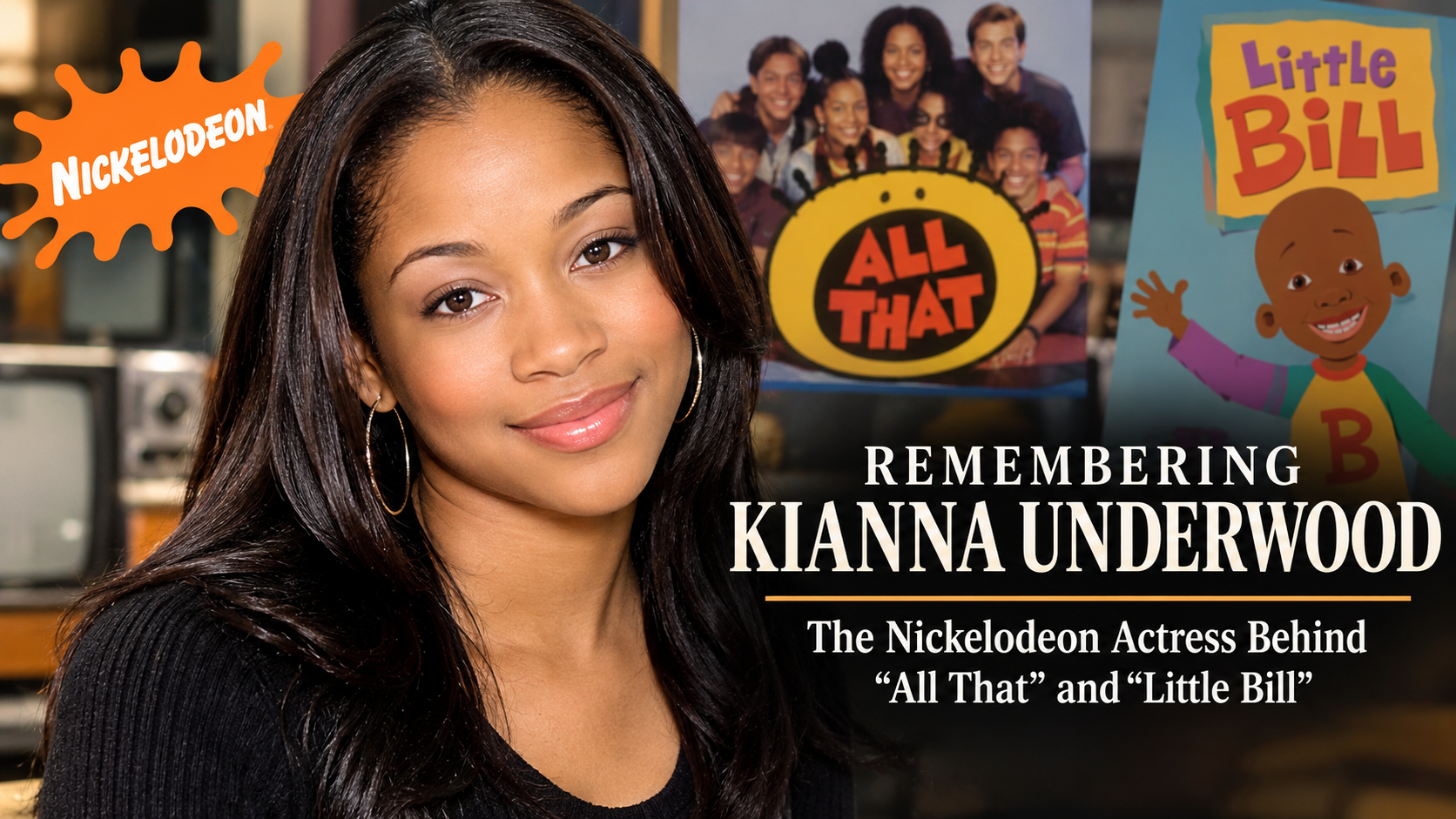
Kianna Underwood was a working child actor who grew up on screen, and her death in January 2026 shocked the generation that grew up watching her.
Note on the topic: search interest in Kianna Underwood describes her as a “rising star.” She was not; she was a former child actress who died on January 16, 2026, at age 33. This article reflects that.
Key Takeaways
- Who she was: a New York-born actress best known for Nickelodeon’s All That and for voicing a character on Little Bill.
- Her death: she was killed in a hit-and-run in the Brownsville section of Brooklyn on January 16, 2026, at age 33, according to the NYPD as reported by WOKV.
- Her career: seven episodes of All That in 2004–05, 23 episodes voicing Fuchsia Glover on Little Bill (1999–2004), and the first national tour of Hairspray as Little Inez (WOKV).
- The investigation: the NYPD was seeking two drivers who did not stay at the scene; check current police updates for any developments.
| Fact | Detail |
|---|---|
| Born | November 28, 1992, New York City (IMDb) |
| Died | January 16, 2026, Brooklyn, NY |
| Known for | All That, Little Bill, The 24-Hour Woman |
| Stage | Hairspray national tour (Little Inez) |
A Career That Started Early
Underwood began working in entertainment around age seven. Her screen credits include the 1999 comedy The 24-Hour Woman and voice work in the animated TV movie Santa, Baby! (WOKV).
On Little Bill, she voiced Fuchsia Glover, the main character’s cousin, across 23 episodes. She then joined the cast of All That for its tenth season, in a supporting role alongside better-known names of that era (WOKV).
For many viewers, those shows are part of childhood. That is why the news spread so quickly.
What Happened on January 16
According to the NYPD, Underwood was crossing at Pitkin Avenue and Mother Gaston Boulevard in Brownsville around 6:45 a.m. when she was struck by a black Ford SUV. She was then struck again by a black-and-gray sedan, and both drivers left the scene (CBS News New York). She was pronounced dead at the scene.
Police said she was crossing without the right of way at the time, and that the SUV driver crossed a double yellow line to pass another vehicle (CBS News New York).
The investigation
Reporting after the incident said police located the owner of the SUV, who told officers he was getting a lawyer, and that detectives were still searching for the sedan’s driver (Yahoo News, via the New York Daily News). I did not find a confirmed update beyond that. Anyone with information can contact the NYPD Crime Stoppers hotline at 1-800-577-TIPS (8477).
Why Her Death Resonated
- Nostalgia. All That and Little Bill defined a generation’s childhood TV.
- Preventable tragedy. Hit-and-run crashes are a persistent concern in New York City.
- Child-star aftermath. Her death renewed conversation about what happens to young performers after the spotlight fades. Coverage should treat that subject with care, and speculation about her private life is not supported by public record.
How to Honor Her Memory
- Share verified information rather than rumors.
- If you know anything about the crash, contact Crime Stoppers.
- Support pedestrian-safety efforts in your community.
Frequently Asked Questions
Who was Kianna Underwood?
A former Nickelodeon child actress who appeared on All That and voiced a character on Little Bill.
How did Kianna Underwood die?
She was struck by two vehicles in a hit-and-run in Brooklyn on January 16, 2026 (CBS News New York).
How old was she?
Thirty-three.
Has anyone been arrested?
Initial reports said no arrests had been made (Fox 35 Orlando, citing AP); check the NYPD for current status.
What was she best known for?
All That, Little Bill, and the Hairspray national tour.
Kianna Underwood’s work is still there to rewatch, and the least anyone can do is remember it accurately.
Discover more from The Monitor
Subscribe to get the latest posts sent to your email.
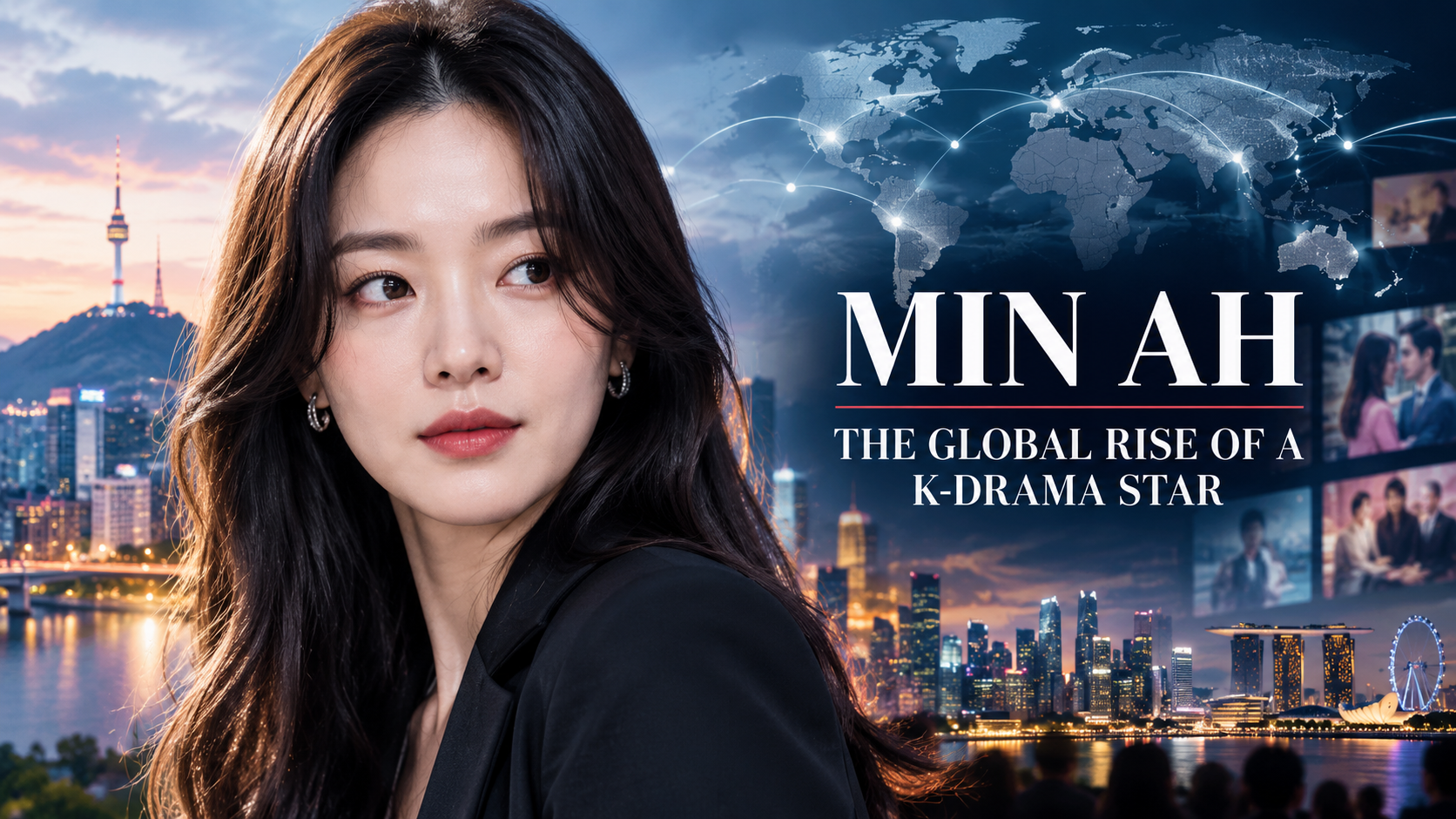
“Min Ah” is one of the most searched names in Korean drama, and it points to more than one actress. The one driving the biggest buzz right now is Shin Min-a.
Key Takeaways
- Biggest news: Shin Min-a stars as Empress Navier in Disney+’s The Remarried Empress, which premieres November 4, 2026, per Soompi.
- Cast: Ju Ji-hoon plays Emperor Sovieshu, Lee Se-young plays Rashta, and Lee Jong-suk plays Prince Heinrey.
- Scale: the story is based on a web novel and webtoon that recorded about 2.97 billion cumulative global views as of July 2026, and it is Disney+’s first K-romance fantasy (SBS Star).
- Name confusion: other well-known “Min Ah” performers include Kang Min-ah and Minah (Bang Min-ah) of Girl’s Day. This article explains who is who.
| Name | Known for | Latest news |
|---|---|---|
| Shin Min-a | Leading roles in major dramas and films | The Remarried Empress (Nov 4, 2026) |
| Kang Min-ah | Actress represented by H&Entertainment | Drama Sympathetic Cells with Kim Myung-soo; premiere date announced June 2026 (MyDramaList) |
| Minah (Bang Min-ah) | Former Girl’s Day member turned actress | Born May 13, 1993; Girl’s Day debut in 2010 (Dramabeans) |
Shin Min-a’s Next Big Role: The Remarried Empress
Disney+ confirmed on August 26 that the series would premiere on November 4, releasing a teaser and character posters (Soompi). The story follows Navier, the “perfect empress” of the Eastern Empire, who is told by her husband that he wants a divorce after he falls for a runaway slave, Rashta. Instead of accepting defeat, Navier asks permission to remarry, choosing the prince of a rival kingdom.
Release plan
According to industry coverage, the ten-part series will debut with a four-episode drop and then release two episodes each Wednesday through a November 25 finale, and it streams on Hulu in the U.S. (Resonate). The same report says the first three episodes will screen at the Busan International Film Festival, which runs October 6–15.
Why it matters
This is the clearest sign of how K-drama has become a global asset. Platforms are paying for fantasy adaptations of internet-born stories with huge built-in audiences, and they are casting established leads to carry them.
Why Shin Min-a’s Popularity Travels
- Longevity. She has worked consistently in Korean drama since the early 2000s, and her credits on MyDramaList span more than two decades (MyDramaList).
- Genre range. From romantic comedy to Netflix thriller Karma and a 2026 film, The Eyes, in which she plays dual roles (MyDramaList).
- Global platforms. Disney+, Netflix, and Hulu give Korean series simultaneous worldwide releases.
The Other “Min Ah” Actresses
Kang Min-ah
A Seoul-born actress with credits since the 2010s. MyDramaList lists a 2026 drama, Sympathetic Cells, with Kim Myung-soo, whose premiere date was announced in June (MyDramaList).
Minah (Bang Min-ah)
She debuted with Girl’s Day in 2010, made her acting debut on the tvN variety program Roller Coaster, and later won a Best New Actress trophy at the 2013 Gwangju International Film Festival for the film Holly. She led the 2020 film Snowball, which earned a Screen International Rising Star Asia Award at the New York Asian Film Festival (Dramabeans).
How to Search the Right Person
Add the family name: “Shin Min-a,” “Kang Min-ah,” or “Bang Minah.” Spelling varies in English (Min-a, Mina, Min Ah), which is why results get mixed.
Frequently Asked Questions
Who is Min Ah in K-drama?
There are several, but the most prominent right now is Shin Min-a, starring in The Remarried Empress.
When does The Remarried Empress premiere?
November 4, 2026, on Disney+ (Soompi).
Who is in the cast?
Shin Min-a, Ju Ji-hoon, Lee Jong-suk, and Lee Se-young.
Is Min Ah the same as Minah from Girl’s Day?
No. Minah is Bang Min-ah, a different performer (Dramabeans).
How popular is the source story?
The webtoon had about 2.97 billion global views as of July 2026 (SBS Star).
Whichever Min Ah you were searching for, the pattern is the same: Korean drama talent now finds its audience everywhere at once.
Discover more from The Monitor
Subscribe to get the latest posts sent to your email.

MLB Playoffs 2026: Postseason Format, Broadcast Guide and How to Track the Bracket

Elon Musk Calls Mukesh Ambani the “Real Boss of India” Over Alleged Monopoly Concerns

Legal Pioneer and Defender of Justice: The Life, Works, and Legacy of Navi Pillay

Inside the Modern Republican Party Platform: Tax Policy, Immigration, and Governance

Anne Carson: Genius of Hybrid Forms and 2026 Nobel Laureate in Literature

Analyzing the Republican Voter Enthusiasm Gap: Turnout Metrics and Polling Data

The West Wing Legacy: Why the Political Drama Is More Relevant Than Ever

Remembering Kianna Underwood: The Nickelodeon Actress Behind “All That” and “Little Bill”

Min Ah: The Global Impact and Rising Popularity of the K-Drama Star

Pakistan Warns UN Security Council of AI Risks to Global Peace and Equality

Bloodhound Q50: Remembering the Tragic Loss of Chicago’s Rising Drill Star

Remembering Eliana Moreno: The Legacy of NBC LA’s “Eli in the Heli”

Horror Box Office Economics: ROI, Market Share and the 2026

iOS 27 Release Date & Siri AI: The Ultimate Tech News Guide for iPhone 18 Users
Min Ah: The Global Impact and Rising Popularity of the K-Drama Star

Fortress Diplomacy: How China’s Secretive Hongqi N701 Matches America’s Legendary “Beast”

Rep. Thomas Massie’s Impeachment Push Against Pete Hegseth, Explained
Remembering Kianna Underwood: The Nickelodeon Actress Behind “All That” and “Little Bill”
-

 Featured5 years ago
The Right-Wing Politics in United States & The Capitol Hill Mayhem
-

 News5 years ago
Prioritizing health & education most effective way to improve socio-economic status: President
-

 China5 years ago
Coronavirus Pandemic and Global Response
-

 Canada5 years ago
Socio-Economic Implications of Canadian Border Closure With U.S
-

 Democracy5 years ago
Missing You! SPSC
-

 Conflict5 years ago
Kashmir Lockdown, UNGA & Thereafter
-
Democracy5 years ago
President Dr Arif Alvi Confers Civil Awards on Independence Day
-

 Digital6 years ago
Pakistan Moves Closer to Train One Million Youth with Digital Skills