
US
What Is Trump Doing on Election Day 2026? Inside His White House Plans

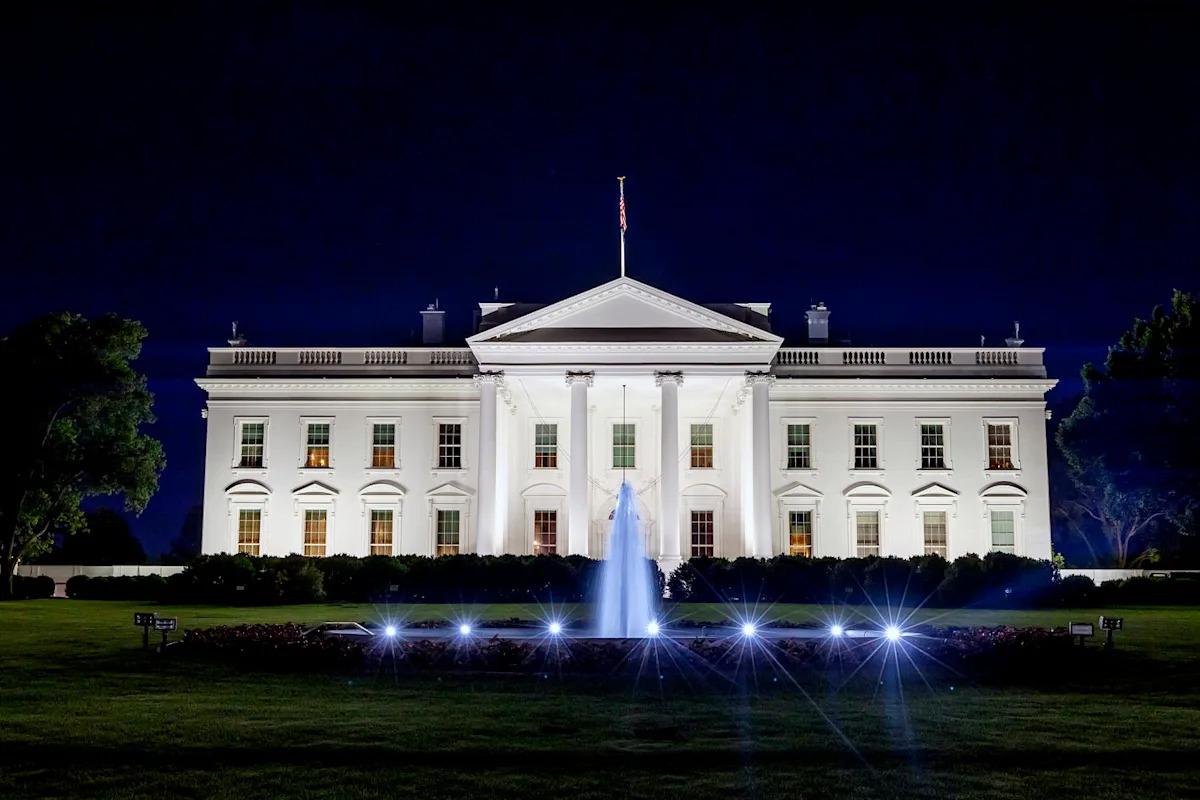
President Donald Trump is scheduled to spend Election Day at the White House, holding private policy meetings, meeting the U.S. ambassador to Portugal and attending a 7 p.m. Eastern election-night viewing reception in the East Room. But what happens outside the White House may matter far more: voters are choosing whether Republicans keep control of Congress for the final two years of Trump’s term. TIME and the published White House daily guidance detail the itinerary.
An election-night reception is conventional presidential politics. What is unconventional is the scale of the uncertainty surrounding it. Republicans face an unfavourable national environment, several close Senate contests and heightened scrutiny of federal election-related litigation.
A Democratic House could subject Trump’s administration to aggressive investigations; a Democratic Senate would add a check on appointments. Neither result, however, would automatically remove him from office or strip him of presidential powers.
Table of Contents
Trump’s Election Day Schedule: What Is Confirmed?
The published presidential schedule for Tuesday, November 3, 2026, lists the following events. All times are Eastern Standard Time (EST). All presidential events listed below are marked closed press; a scheduled event is not proof that it has already taken place.
| Time (EST) | Scheduled activity | Location |
|---|---|---|
| 8:00 a.m. | Executive time | White House |
| 11:00 a.m. | Policy meeting | White House |
| 12:30 p.m. | Policy meeting | White House |
| 1:30 p.m. | Meeting with the U.S. ambassador to Portugal | Oval Office |
| 2:30 p.m. | Policy meeting | Oval Office |
| 4:00 p.m. | Signing time | Oval Office |
| 7:00 p.m. | Election-night viewing reception | East Room, White House |
Source: Daily White House guidance reproduced by Mace News. CNN’s report independently describes the meetings and reception.
There is no campaign rally on the published Tuesday schedule. According to TIME, Trump and first lady Melania Trump voted early in West Palm Beach, Florida, so the president is not expected to cast a ballot in person on Election Day.
The White House has not made the reception a public event, and the published guidance does not establish whether Trump will deliver remarks or which guests will attend.
Why Trump’s Final Campaign Speech Was So Revealing
The president’s last major appearance before voting was not a conventional economic-policy closing argument.
On November 2, he spoke near the Lincoln Memorial Reflecting Pool in Washington, spending considerable time discussing renovations, construction details and proposed changes to the capital’s landscape.
Reuters reported that the speech lasted 54 minutes and that Trump had staged 28 rallies across 19 states since October 1.
He also criticised Democrats, touted his administration and appealed for Republican support. But his emphasis on the reflecting pool offered a striking contrast with the issue dominating voters’ minds: affordability.
The contrast is politically significant, though not a verdict on the election.
Presidential campaigns often seek to mobilise loyal supporters rather than persuade everyone. Trump’s supporters may view the project-focused speech as evidence of an administration getting visible things done.
Critics, and some Republican strategists cited by Reuters, see a missed opportunity to speak directly to higher household costs and concern about the Iran war.
Either reading is an interpretation; the votes will provide the harder test.
Trump himself acknowledged the historical difficulty of midterms for a sitting president. As TIME reported, he argued that Republicans had made a strong effort despite the tendency for presidents’ parties to lose ground.
The Numbers Behind Republican Anxiety
The most immediate problem for the White House is not whether Trump can fill a room on election night.
It is whether his political coalition turns out in enough places to defend thin congressional majorities.
A Reuters/Ipsos survey completed November 2 put Trump’s job approval at 32%.
Among registered voters, Democrats led Republicans 46% to 38% on the generic congressional ballot.
The poll also found that 78% regarded the cost of living as a very important or top voting concern.
These are national findings, not forecasts of any individual congressional district. District maps, candidate quality and turnout can produce different results.
Reuters’ election-day assessment describes Democrats as favored to capture the House while the Senate remains uncertain.
Historical precedent helps explain the anxiety: presidents’ parties have generally lost congressional seats in midterm elections.
But precedent is not destiny.
Redistricting, local contests and who actually votes can upset national expectations.
There is another revealing signal.
The Associated Press reported that more than 50 million Americans had already voted before Election Day.
High early participation demonstrates intensity, not by itself a winner: early-vote totals do not establish how all those ballots were cast or what Election Day turnout will look like.
The House and Senate Are Two Different Battles
Every one of the 435 House seats is up for election, while roughly one-third of Senate seats are contested in the regular cycle, as explained by USAGov.
The Republican majority began this Congress narrowly in the House, and the Senate balance entering the election is 53 Republicans to 47 Democrats and Democratic-aligned independents.
With the vice presidency providing a Republican tie-breaking vote, Democrats need a net gain of four Senate seats for a majority.
The House looks like the more accessible Democratic target.
The Senate requires a much more complicated chain of victories, including wins in states that have recently voted Republican at the presidential level.
AP’s election-day guide identifies North Carolina and Georgia as early indicators and contests in Michigan, Ohio, Iowa, Kansas, Texas and Alaska as consequential to the wider balance.
Instead of focusing only on the national popular-vote margin, watch suburban House districts, turnout in competitive Senate states and whether either party systematically outperforms expectations.
A narrow congressional majority can be powerful, but it is also fragile: individual absences, defections and vacancies complicate governing even for the winning party.
What Happens if Democrats Win the House—or Both Chambers?
The consequences depend on which chamber changes hands.
A midterm election is not a presidential election; Trump would remain president regardless of a Republican congressional defeat.
| Election outcome | Likely governing consequences |
|---|---|
| Republicans retain both chambers. | Easier path for administration legislation, oversight priorities and Senate confirmations, although small majorities can fracture |
| Democrats win the House; Republicans keep the Senate. | More investigations and committee subpoenas; harder negotiations on spending and legislation; Republicans retain Senate confirmation power |
| Democrats win both chambers. | Stronger legislative and investigative checks and a greater ability to block nominations and set congressional agendas, while Trump retains presidential veto and executive powers |
For a Democratic House, the practical priorities could include inquiries into federal contracting, immigration enforcement, spending decisions, administration officials and the conduct of federal agencies.
Reuters has specifically noted that administration construction projects could attract oversight.
But a House investigation is not evidence of wrongdoing, and committees would have to pursue facts, documents and testimony.
Could a Democratic House impeach Trump?
Constitutionally, yes, if it voted to approve articles of impeachment.
Removal would still require conviction by a two-thirds vote of senators present, an exceptionally high threshold.
The Congressional Research Service’s explanation makes the distinction between impeachment and removal clear.
A Republican defeat therefore would not terminate Trump’s presidency or automatically produce a constitutional crisis.
A divided government might also force compromises on budgets and spending.
It could just as easily produce legislative stalemate, especially where election promises collide with deficits, borrowing costs and the president’s veto.
Those outcomes depend on subsequent negotiations, not on election-night projections alone.
The Election-Integrity Dispute: Allegations, Court Orders and Actual Safeguards
One of the most sensitive questions is what Trump and his administration will say if Republicans lose narrowly.
Trump has questioned the validity of elections in the past, and TIME reported that he recently conditioned acceptance of the midterm results on their being honest elections.
That statement deserves scrutiny, but it is not proof that he will reject any particular outcome.
There are concrete legal disputes to examine rather than simply speculating about a confrontation.
On November 2, the U.S. Supreme Court rejected an emergency administration request to stop California from counting mail ballots from more than 20,000 registered voters whom federal officials alleged were likely noncitizens.
California disputed the reliability of the government’s list and warned that eligible citizens could be affected. Lower courts had also refused to halt the count.
Reuters’ account of the ruling details the competing claims and the courts’ decisions.
An allegation about eligibility is not a judicial finding that those voters are ineligible.
In Alaska, a federal judge dismissed a Justice Department lawsuit that sought to affect certification of a closely watched Senate contest amid a dispute involving two candidates with similar names.
The department said it would appeal.
Reuters’ Alaska report distinguishes the government’s legal argument from what the court actually decided.
The administration says it is acting to enforce federal election law and protect lawful voting.
Critics argue that federal pressure and poorly supported voter allegations could intimidate voters or undermine state-run election administration.
Reuters’ investigation of potential interference scenarios interviewed election officials and legal experts about risks ranging from pressure on local officials to disputes over ballots and certification.
Those are risks and scenarios, not claims that every feared action has happened.
The key tests are whether officials count lawful votes, follow court orders, preserve records and certify results according to law.
The Iran War and Cost of Living: The Issues Trump Cannot Avoid
The 2026 election is also a test of whether foreign-policy decisions have become household economic issues.
The U.S.-Israeli conflict with Iran has affected energy markets and increased pressure on American consumers.
Reuters’ November 2 reporting says energy costs had risen sharply and that the cost of living was voters’ top concern.
Oil markets remain sensitive to diplomacy and renewed fighting.
Reuters reported on November 2 that Brent crude settled around $104.77 a barrel after a sharp fall driven by hopes of renewed talks.
A one-day oil-price decline cannot erase months of uncertainty over supply routes, inflation and the Strait of Hormuz.
A Democratic-controlled Congress could hold hearings into the rationale, conduct and costs of military operations, debate funding and press the administration for a clearer diplomatic strategy.
But losing a midterm does not, by itself, legally deprive a president of commander-in-chief authority.
The constitutional division of war powers is complex: Congress controls declarations of war, military funding and legislation, while the president directs the armed forces within applicable law.
The Congressional Research Service overview of war powers explains that longstanding tension.
For U.S. allies, Gulf economies and energy-importing countries in Asia, the midterms therefore matter indirectly.
A weakened president may face more pressure to pursue a settlement, or may retain substantial freedom to act abroad despite domestic opposition.
Neither outcome should be presented as inevitable.
What Wall Street Is Watching Beyond the Election-Night Speeches
Investors are weighing more than the number of seats each party wins.
Congressional control can affect tax negotiations, federal spending, defence budgets, technology regulation, energy policy and the risk of fiscal standoffs.
Reuters’ market analysis reports that a Democratic victory could increase scrutiny of large technology companies and AI investments, whereas continued Republican control could preserve parts of the current deregulatory approach.
Divided government could also heighten the risk of budget battles.
These are policy possibilities, not reliable short-term stock-price predictions.
The larger lesson is that there is no single market verdict called a “Democratic win” or a “Republican win.”
Bond yields, oil prices, corporate earnings, geopolitical developments and Federal Reserve expectations can overwhelm the immediate reaction to election results.
Investors should distinguish temporary political headlines from actual changes in enacted policy.
What Time Will the 2026 Midterm Election Results Come In?
The president’s 7 p.m. EST reception overlaps with the early stages of vote counting.
According to TIME’s election-day account, the first polls close at 6 p.m. Eastern, with the final Alaska polling locations closing at approximately 1 a.m. Eastern on Wednesday, November 4.
Networks may project some races relatively quickly, but competitive contests can require additional counting and verification.
An election-night projection is not the same as an official certified result.
Close races can take longer, especially where absentee, provisional or late-arriving ballots must be evaluated under state law.
CBS News’ election-night guide explains how its results coverage works.
Counting legally cast ballots after Election Day is a normal part of administering elections, not evidence of fraud.
The two numbers to watch first are not Trump’s speech length or the size of the White House gathering.
They are the emerging House seat balance and the margins in the Senate battlegrounds.
A third signal will be how political leaders respond if the results are close.
Frequently Asked Questions
Where is Donald Trump on Election Day, November 3, 2026?
He is scheduled to remain at the White House in Washington, D.C., where his public guidance lists closed-press meetings and an evening viewing reception.
What time is Trump’s election-night event?
The published schedule sets the East Room viewing reception for 7 p.m. Eastern Standard Time on Tuesday, November 3. It is marked closed to the press.
Is Trump voting on Election Day?
No Election Day voting appearance is on his published schedule. TIME reports that Trump and Melania Trump already voted early in Florida.
Is Trump running in the 2026 midterm elections?
No. Trump’s name is not on the congressional ballot. Voters are choosing members of the House and Senate, as well as governors and other state and local officials in applicable jurisdictions.
The political impact on his administration, however, is substantial.
What happens to Trump if Republicans lose the House?
He remains president. A Democratic House would have greater power over oversight, investigations and legislation, but could not unilaterally remove him or direct the executive branch.
Can Trump cancel the midterms or simply reject the results?
The president does not possess a general unilateral power to cancel congressional elections or substitute his preferred outcome for state-administered votes.
Election procedures, litigation, canvassing and certification are governed by law and subject to judicial review.
Assertions of fraud need evidence; they do not become established facts merely because a politician makes them.
When will the winners be known?
Some races may be projected on Tuesday night; close House and Senate contests may take days.
Official certification follows the relevant state processes.
The Bigger Question Awaiting Trump
Trump’s election-night calendar is straightforward.
The political choice confronting Americans is not.
If Republicans retain Congress, the president will have a stronger platform for the remainder of his term, though narrow majorities will still test party unity.
If Democrats win the House, the White House will face a tougher oversight and legislative environment.
If they win both chambers, the conflict between executive ambition and congressional resistance will become more pronounced.
The immediate test is not whether Trump declares victory or disappointment from the East Room.
It is whether both parties, federal agencies, courts and state election officials respect the electorate’s legally determined verdict—and whether the administration adjusts its governing priorities to the result.
Election night will establish a political direction; it will not settle every race, every legal dispute or the future of Trump’s presidency.
Editorial note: This article reflects information available November 3, 2026, before election-night results. Scheduled events, election litigation and projections should be updated as developments occur.
Discover more from The Monitor
Subscribe to get the latest posts sent to your email.



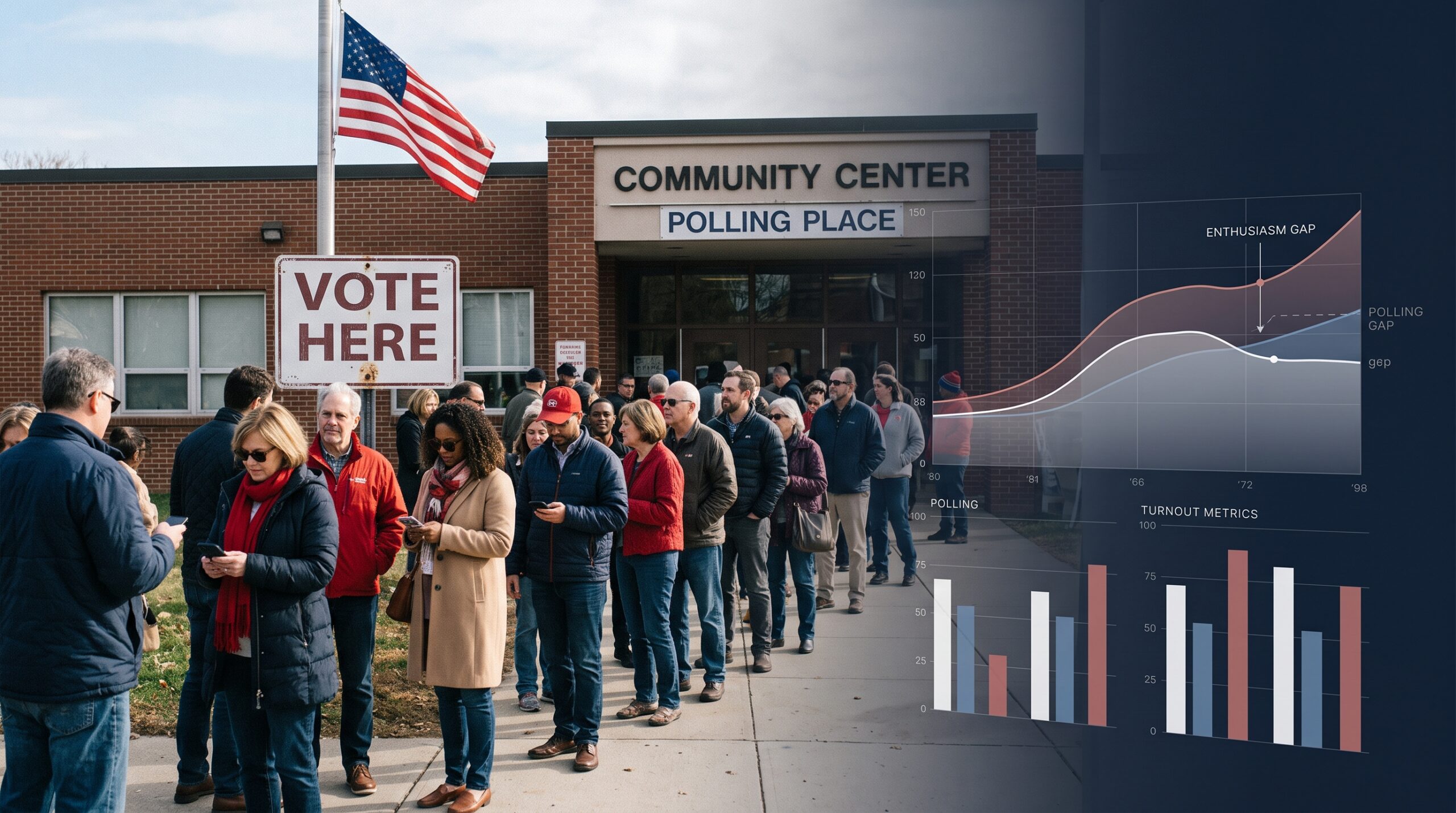
Polls and primary turnout show Republicans trailing on enthusiasm ahead of the 2026 midterms. Here’s what the data shows, where it’s weaker, and what could change.
Key Takeaways
- A Washington Post-Ipsos poll conducted July 8 to 13, 2026, found Democrats ahead 48% to 45% among registered voters, but ahead by about eight points among voters who say they are absolutely certain to vote.
- Democrats have outpaced Republicans in primary turnout. As of late June, about 12.6 million votes had been cast in Democratic House primaries, compared with 8.6 million in Republican primaries, according to a Washington Post analysis cited by commentators.
- Analysis of six states that held comparable primaries in 2022 and 2026 found the Republican-to-Democratic turnout ratio moved toward Democrats in every case.
- Special elections since 2025 have shown Democrats running ahead of their 2024 presidential margins, though special elections draw low turnout and are not reliable predictors.
- Enthusiasm is a leading indicator, not a result. Historically, the gap between stated enthusiasm and votes cast has been large, and the November outcome depends on who actually turns out.
Search Intent Summary
Readers searching this topic usually want to know whether Republicans are less motivated to vote in 2026, what the numbers show, and how much weight to give them. This article reviews the polling, primary turnout, and special election evidence, then sets out the strongest arguments on each side.
What “Enthusiasm” Measures
Political scientists use several overlapping measures. Pollsters ask respondents how enthusiastic they are about voting, how certain they are to vote, and whether they consider the upcoming election more important than past ones. Each measure captures something different, and results vary by question wording.
The key distinction is between opinion and turnout. Enthusiasm tells you how motivated a group feels. Turnout tells you how many people actually vote. Historically, the two do not always match, and the party with lower enthusiasm can still turn out strongly if its voters are organized and its contests are high-stakes.
What the Polls Show
The broadest signal comes from national surveys. In a February 2026 Washington Post-ABC News-Ipsos poll, 47% of registered voters planned to back Democrats and 45% Republicans. The gap was sharpest among younger voters. The poll found that 51% of 18-to-39-year-olds who voted for Donald Trump in 2024 said they were certain to vote, compared with 77% of Harris voters in the same age group.
By July, the Washington Post-Ipsos poll had narrowed the overall margin. Democrats led 48% to 45% among registered voters, down from a five-point edge in May. The enthusiasm gap, however, had widened. The same survey showed Democrats’ lead expanding to about eight points among those who said they were absolutely certain to vote.
Other measures point the same way. A Post-ABC poll found 73% of Democrats said the upcoming midterms were more important than past midterms, compared with 52% of Republicans. In the same survey, 72% of Republicans said they would definitely vote. A Marquette University Law School poll found 28% of Republicans and Republican-leaning independents described themselves as “very enthusiastic” about voting in the midterms.
These results should be read carefully. A generic-ballot lead of a few points is well within polling error, and the enthusiasm gap is a difference between two groups’ stated motivation, not a measured vote.
Primary Turnout: The Stronger Signal
Primary turnout is a more concrete measure than survey responses, because it counts actual ballots. Primary electorates are small and self-selected, so they are not a clean preview of a general election. Still, they show who is showing up when the stakes are visible.
Commentary citing a Washington Post analysis reported that by late June 2026, about 12.6 million ballots had been cast in Democratic House primaries, compared with 8.6 million in Republican primaries. Democrats set turnout records in several states, including Wisconsin, Michigan, Texas, and Georgia, according to the same analysis.
The statistician Charles Stewart III, of MIT’s Election Data and Science Lab, compared turnout in the six states that held statewide primaries in both 2022 and 2026: Arkansas, Illinois, Nebraska, North Carolina, Ohio, and Texas. In every one, the ratio of Republican to Democratic primary turnout moved toward Democrats. In his analysis, Democratic turnout rose while Republican turnout fell. Stewart also noted that primary turnout is not always predictive of general election outcomes, and that many factors influence it.
Those findings are not uniform. Closed primary systems, contested races, and candidate quality all shape turnout. A competitive Republican primary in one state can boost that party’s turnout even when enthusiasm elsewhere is weak.
Special Elections: A Pattern, With Caveats
Special elections have produced consistent Democratic overperformance. An analysis by The Down Ballot, reported in a column that cited it, examined 110 special elections since January 2025 and found Democrats running an average of 12.5 points ahead of their 2024 presidential margins. In 2025, Decision Desk HQ found an average overperformance of about 20 points in US House specials.
Special elections are a useful signal but a weak forecast. They draw low turnout, usually from the most motivated voters, and they are held under conditions that differ from a midterm. Analysts have noted that Democrats overperformed in special elections before the 2024 presidential race, then lost the national popular vote. Special elections can show shifts in motivation without predicting how a broader electorate will vote.
The Republican Case
Republicans and some analysts offer several counterarguments, and they deserve a fair hearing.
Enthusiasm is not the same as turnout. Republicans have historically turned out reliably in midterms when their voters were motivated by specific issues or candidates, and the party’s organizational infrastructure is strong.
Low-turnout special elections and primaries can exaggerate the energy of whichever side is more engaged in a given contest, and Democratic primary turnout partly reflects contested races that drew heavy spending.
Polls of enthusiasm can shift quickly. A few months before an election is a long time, and a single event, such as a major policy action or a change in the economic outlook, can reshape voter motivation.
The party also argues that its message on the economy and taxes resonates with voters who may not register strongly in polling. In the July Post-Ipsos poll, the top concern among voters was the economy, and some Republicans have argued their affordability messaging will close the gap as the election approaches.
The Democratic Case
Democrats point to the same data as evidence of an energized base. They argue that primary turnout records, special election swings, and the enthusiasm gap show a motivated electorate.
Democratic strategists also argue that the war with Iran, rising gasoline prices, and cost-of-living pressures have hurt the incumbent party. Pricing and economic concerns dominate voter priorities, according to the Post-Ipsos poll. The Post poll noted that more than 70% of Democrats regard voting as more important this year than before.
What to Watch Before November
Several indicators will show whether the gap is real or temporary.
Watch whether enthusiasm translates into actual turnout in the fall. Early voting and absentee data in competitive states will be more reliable than polls.
Watch the composition of turnout. A widening gap among younger voters, the group the February poll singled out, would matter more than overall numbers.
Watch Republican primary turnout in states that still have contests, and compare it with 2022 benchmarks.
Watch the economic and foreign policy environment. Gasoline prices, inflation, and the status of the Iran conflict all feed into voter priorities, as covered in our Iran policy analysis and the crude oil article.
Practical Takeaways
For readers following the midterms, the most useful habit is to weight actual turnout data above survey enthusiasm when assessing the outlook, and to treat both as indicators rather than predictions. Enthusiasm polls are a useful early signal, but they often change before voting.
For campaigns and analysts, the data points to the importance of turnout operations in the weeks before the election, regardless of which party’s enthusiasm numbers look stronger.
This article describes the evidence and the arguments on each side. It does not forecast the outcome of the midterms.
Future Outlook
The enthusiasm gap is a clear signal in the data so far, particularly in primaries and specials. Whether it turns into a general election advantage depends on turnout operations, on how the economy and foreign policy evolve, and on how many voters decide late. Those questions remain open.
Frequently Asked Questions
Are Republicans less enthusiastic about voting in 2026?
Several national polls show lower stated enthusiasm among Republicans than Democrats, including a Washington Post-Ipsos poll from July 2026 and a Marquette University Law School poll. Enthusiasm measures vary by question, so no single poll settles the question.
Does primary turnout predict the midterms?
Primary turnout is a useful signal but not a reliable forecast. It reflects who participates in primaries, which are smaller and more self-selected than general elections. Changes in turnout relative to earlier cycles can indicate shifts in motivation, but they do not determine outcomes.
Do special elections predict general election results?
Special elections show trends in voter motivation, but they draw low turnout and occur under different conditions than midterms. In 2024, Democrats overperformed in special elections before losing the national vote. Treat them as one input among many.
What is the enthusiasm gap?
The enthusiasm gap is the difference between parties in how motivated their supporters say they are to vote. Pollsters measure it by asking how enthusiastic or certain respondents are to vote. It is a measure of stated motivation, not a measure of votes.
Discover more from The Monitor
Subscribe to get the latest posts sent to your email.
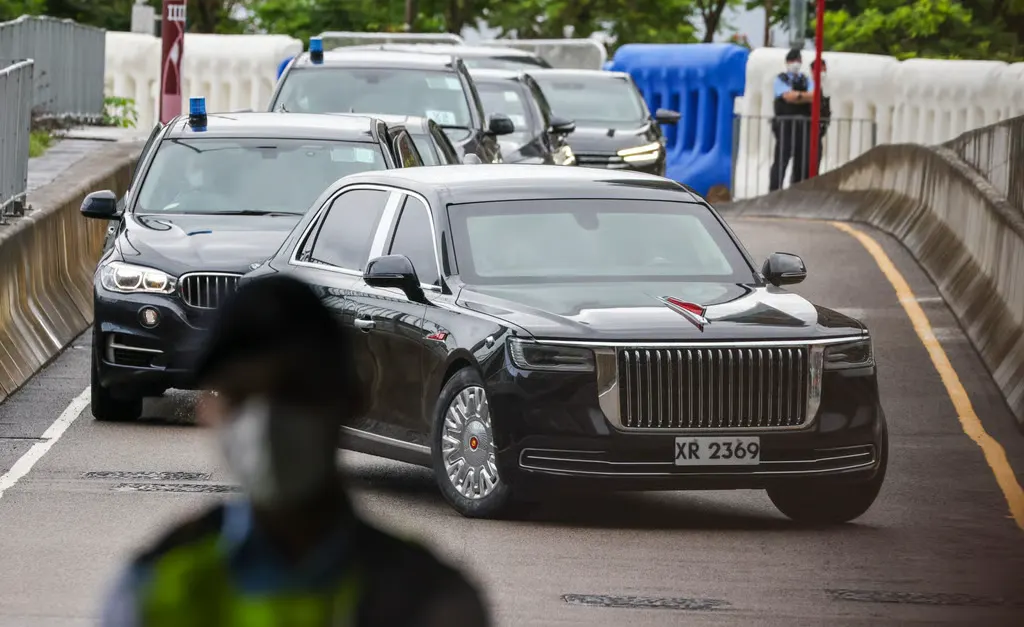
When global superpowers meet at international summits, the battle for dominance extends beyond closed-door negotiations to the tarmac. For decades, the US President’s armored limousine—popularly dubbed “The Beast”—stood unchallenged as the world’s ultimate mobile fortress. Today, Chinese President Xi Jinping travels the globe in a custom-built, ultra-secretive flagship: the Hongqi N701.
Designed to project national strength and protect head-of-state sovereignty, the Hongqi N701 represents China’s technological independence and automotive maturity, standing toe-to-toe with America’s legendary presidential liner.
1. Hongqi N701: Beijing’s Secretive Armored Vault
Manufactured by state-owned FAW Group Corporation, the name Hongqi translates directly to “Red Flag”—a marque inextricably linked with the Communist Party hierarchy since 1958.
The N701 (a internal codename for a vehicle limited to roughly 50 custom builds over a decade) represents the pinnacle of Chinese security engineering. Unlike commercial luxury vehicles modified by aftermarket armorers, the N701 is purpose-built from the chassis up as a diplomatic defense unit according to official coverage by NDTV Auto.
Key Features of the Hongqi N701:
- Structural Architecture: Measuring over 5.5 meters (18 feet) in length with an extended wheelbase, the vehicle features reinforced steel composite plating and high-grade ballistic glass engineered to withstand heavy gunfire and explosive blasts.
- Propulsion Systems: Powered by either an in-house developed 6.0-liter V12 engine generating approximately 408 horsepower or a high-output turbocharged V6 hybrid setup documented in Chinese patent filings reported by LiveMint.
- CBRN Defense: Features a sealed cabin equipped with an independent air-compression and filtration management system designed to protect against chemical or biological warfare attacks.
- Mobility Integrity: Rides on 21-inch custom security wheels fitted with heavy-duty run-flat tires capable of fleeing ambush zones even under total deflation.
2. “The Beast”: America’s 10-Ton Rolling Bunker
Operating under the fleet designation Cadillac One, the US Presidential State Car is built by General Motors under strict Secret Service supervision. Detailed in military and automotive records curated on Wikipedia’s Official State Car History, the current generation of The Beast is built on a heavy-duty GMC TopKick commercial truck platform disguised under classic Cadillac sedan styling.
Defensive Features of The Beast:
- Heavy Armor Plating: Constructed with five-inch-thick dual-hardness steel, aluminum, titanium, and ceramic matrix armor plating. Its eight-inch-thick doors weigh as much as a cabin door on a Boeing 757 airliner.
- Unter-Carriage Protection: Features a five-inch shatterproof reinforced steel plate along the underbody to survive improvised explosive devices (IEDs) and landmines.
- Offensive Countermeasures: Outfitted with tear gas cannons, smoke screen dispensers, night-vision optics, and door handles capable of sending electric shocks to unauthorized intruders.
- Medical Readiness: The rear compartment houses an oxygen supply system and a temperature-controlled blood bank containing samples matching the President’s blood type.
Comprehensive Specifications Matrix: Hongqi N701 vs. “The Beast”
| Parameter / Feature | Hongqi N701 (China) | Cadillac One “The Beast” (USA) |
| Manufacturer | FAW Group (Hongqi) | General Motors (Cadillac) |
| Base Platform | Custom Heavy-Duty Sedan / SUV Chassis | GMC TopKick Truck Chassis |
| Estimated Weight | ~3,150 – 4,500 kg (3.5 – 5.0 tonnes) | 6,800 – 9,100 kg (7.0 – 10.0 tonnes) |
| Overall Length | ~5.5 meters (~18 feet) | ~5.5 meters (~18 feet) |
| Engine / Powertrain | 6.0L V12 (408 hp) or 3.0L V6 Hybrid | 6.6L Duramax V8 Turbo-Diesel |
| Armor Thickness | Classified (High-Grade Ballistic Steel & Glass) | 5-inch body armor, 8-inch door armor |
| Cabin Environment | Hermetically Sealed with Air Recirculation | Hermetically Sealed with Oxygen Supply |
| Tire Protection | Reinforced 21-inch Run-Flats | Kevlar-Reinforced Goodyear Run-Flats |
| Emergency Medical | Secure Comms & First Aid Systems | On-board Blood Supply & Medical Oxygen |
| Production Run | ~50 units over 10 years | Secret Service Fleet (~15–25 units) |
3. Symbolic Statecraft: Soft Power vs. Military Might
The diplomatic significance of state cars extends far beyond ballistic defense. They represent a nation’s industrial competence and soft power on the global stage.
China’s “Red Flag” Revival
For decades, Chinese leaders relied on imported foreign luxury vehicles during official duties. Xi Jinping’s explicit mandate to revive Hongqi reflects a push for industrial self-reliance. By deploying the N701 during high-stakes state visits to San Francisco, Europe, and Asia, Beijing signals to world leaders that domestic Chinese manufacturing can produce state vehicles on par with Western standards.
America’s Mobile Command Structure
The Beast embodies American defense capability and expeditionary power. Flown worldwide aboard Boeing C-17 Globemaster military transports prior to presidential arrivals, the vehicle operates as a rolling extension of the White House, complete with encrypted satellite comms connecting directly to the Pentagon and Vice President.
The Verdict: Parity in Executive Security
While General Motors’ The Beast remains heavier and heavily geared toward military-grade defensive countermeasures, China’s Hongqi N701 matches it in executive protection, cabin threat isolation, and symbolic authority. China has closed the luxury security gap—ensuring that when two superpower leaders meet, their mobile fortresses command equal respect.
Discover more from The Monitor
Subscribe to get the latest posts sent to your email.

Key Takeaways
- On September 15, 2026, Republican Rep. Thomas Massie (R-Ky.) introduced a 34-page, eight-article resolution to impeach Defense Secretary Pete Hegseth, centered on the ongoing U.S. war in Iran.
- Massie’s resolution is privileged, meaning it forces a House floor vote within two legislative days regardless of leadership’s wishes.
- Massie gave GOP leadership no advance notice — an intraparty break that deepens his rift with President Trump and House leadership.
- The Pentagon called the impeachment push baseless, with press secretary Kingsley Wilson defending Hegseth as a “transformative leader.”
- A separate, six-article impeachment push against Hegseth was already introduced by House Democrats in April 2026 — meaning Hegseth now faces impeachment efforts from both parties, though both are considered near-certain to fail in a GOP-controlled House.
What Massie’s Resolution Actually Alleges
The eight articles of impeachment accuse Hegseth of:
- Violating the War Powers Resolution of 1973 by continuing U.S. military action in Iran after Congress passed resolutions in June and July directing troop withdrawal.
- Failing to minimize civilian casualties, citing a strike on a school in Minab that Iranian officials say killed more than 100 children.
- Directing the operation that captured former Venezuelan leader Nicolás Maduro without congressional authorization.
- Broader military actions in Venezuela and Yemen conducted, Massie argues, outside constitutional and statutory limits.
Massie told reporters the push was about placing “a marker in history,” not about realistic prospects of success: “Doing this wasn’t predicated on whether it could succeed or not.”
Why Massie Moved Now
Massie said the timing was deliberate — Speaker Mike Johnson had effectively wound down the legislative calendar ahead of the midterms, leaving the privileged resolution as his last mechanism to force a recorded vote on the war before recess.
The Political Backdrop
The Congressional Budget Office estimated the Iran conflict has cost $38 billion to date and contributed to inflation rising from 2.3% to 5.3% in the second quarter of 2026 — a figure directly tied to the oil-price dynamics covered in our companion piece on the Dow’s reaction to Middle East tensions.
Notably, Massie’s move came the same day House Democrats were separately pursuing a symbolic impeachment vote against President Trump himself, creating a rare moment where both parties had impeachment measures moving through the chamber simultaneously.
What Happens Next
Because the resolution is privileged, House leadership has two options: allow a floor vote on impeachment itself, or move to table (kill) the resolution — the more likely outcome given GOP control of the chamber. Either path forces individual Republicans onto the record regarding the administration’s Iran war conduct heading into the midterms.
Did the House vote to impeach Pete Hegseth?
As of September 15, 2026, Rep. Thomas Massie forced the impeachment resolution to the floor using a privileged motion, requiring a House vote within two legislative days. The resolution is widely viewed as almost certain to fail or be tabled given Republican control of the House.
Discover more from The Monitor
Subscribe to get the latest posts sent to your email.

What Is Trump Doing on Election Day 2026? Inside His White House Plans

Tesla, SpaceX and Starlink: The Real Business Story Behind Elon Musk’s October Buzz

Resilience Under Strain: The World’s Difficult 2026 Choices

Andy Harris in 2026: Freedom Caucus Influence, Spending and Congressional Power

MLB Playoffs 2026: Postseason Format, Broadcast Guide and How to Track the Bracket

Elon Musk Calls Mukesh Ambani the “Real Boss of India” Over Alleged Monopoly Concerns

Legal Pioneer and Defender of Justice: The Life, Works, and Legacy of Navi Pillay

Inside the Modern Republican Party Platform: Tax Policy, Immigration, and Governance

Anne Carson: Genius of Hybrid Forms and 2026 Nobel Laureate in Literature

Analyzing the Republican Voter Enthusiasm Gap: Turnout Metrics and Polling Data
Inside the Modern Republican Party Platform: Tax Policy, Immigration, and Governance
Anne Carson: Genius of Hybrid Forms and 2026 Nobel Laureate in Literature
Resilience Under Strain: The World’s Difficult 2026 Choices
Elon Musk Calls Mukesh Ambani the “Real Boss of India” Over Alleged Monopoly Concerns
MLB Playoffs 2026: Postseason Format, Broadcast Guide and How to Track the Bracket
Andy Harris in 2026: Freedom Caucus Influence, Spending and Congressional Power
Legal Pioneer and Defender of Justice: The Life, Works, and Legacy of Navi Pillay
Tesla, SpaceX and Starlink: The Real Business Story Behind Elon Musk’s October Buzz
-

 Featured6 years ago
The Right-Wing Politics in United States & The Capitol Hill Mayhem
-

 Conflict5 years ago
Kashmir Lockdown, UNGA & Thereafter
-

 News5 years ago
Prioritizing health & education most effective way to improve socio-economic status: President
-

 Democracy5 years ago
Missing You! SPSC
-

 China5 years ago
Coronavirus Pandemic and Global Response
-

 Canada5 years ago
Socio-Economic Implications of Canadian Border Closure With U.S
-

 Digital6 years ago
Pakistan Moves Closer to Train One Million Youth with Digital Skills
-
Democracy5 years ago
President Dr Arif Alvi Confers Civil Awards on Independence Day