
Breaking News
Pakistan vs New Zealand T20 World Cup 2026 Super 8 Opener Abandoned: Rain Washes Out Colombo Clash, Both Teams Share One Point

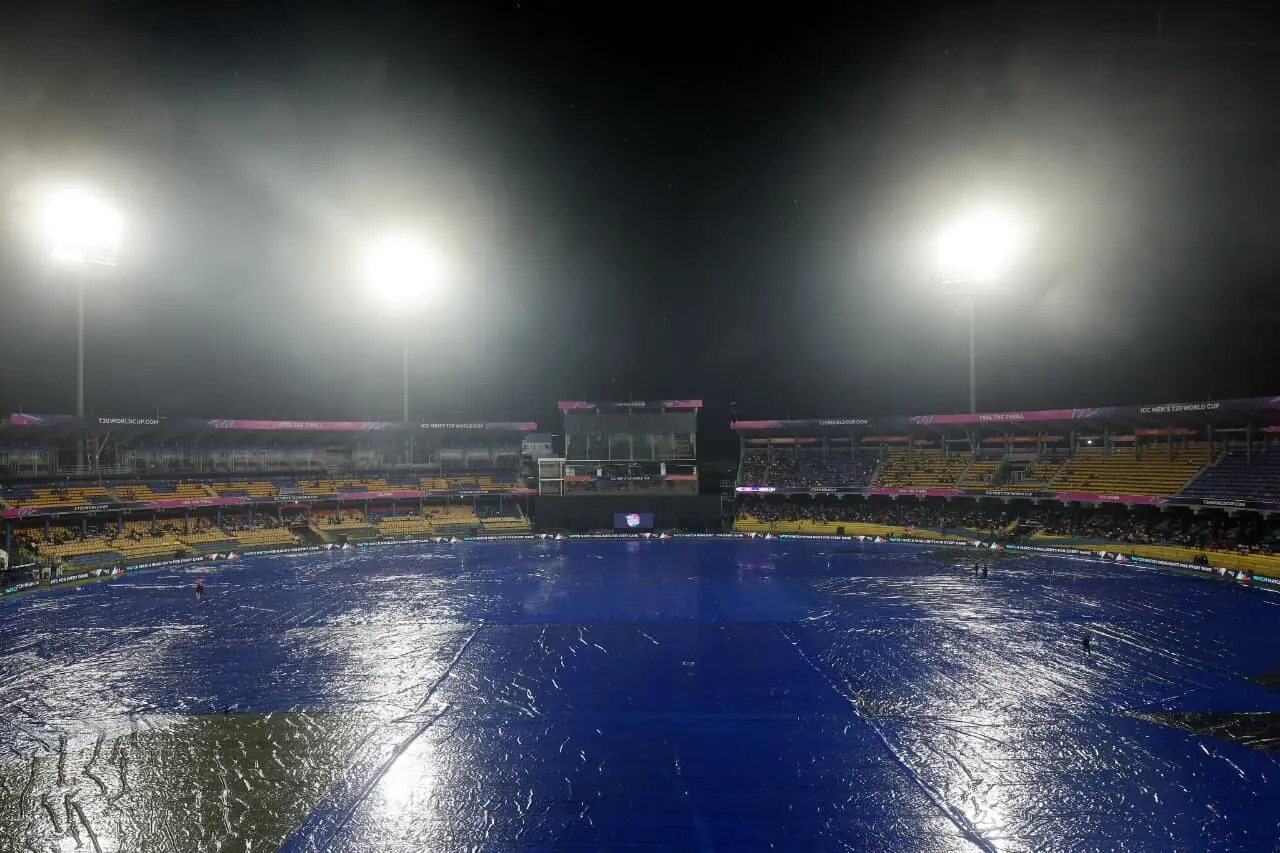
The stage was set. The toss was done. The match never was.
At the R. Premadasa Stadium on Saturday evening, the ICC Men’s T20 World Cup 20op26’s Super Eights stage was supposed to roar to life with one of world cricket’s most compelling rivalries. It never got the chance. The rain that arrived as a drizzle during the toss, turned obstinate through the early evening, and finally turned ferocious well past the cut-off window has now had the last word: the match between Pakistan and New Zealand has been officially abandoned, with both teams awarded one point each. Not a ball was bowled. The impact of rain on Pakistan vs New Zealand Super 8 semifinal chances in 2026 has gone from a hypothetical to a harsh, immediate reality.
Pakistan captain Salman Ali Agha had won the toss and opted to bat — a decision rendered entirely academic within minutes. His New Zealand counterpart Mitchell Santner — back from illness during the group stage — had no sooner shaken hands than the heavens intervened. More than three hours later, the umpires called it. The covers stayed on. Colombo wins. Cricket loses.
Table of Contents
Match Buildup and Pakistan’s Toss Decision in Rainy Colombo Conditions
Pakistan’s choice to bat first is, in isolation, sound logic at the R. Premadasa. Historically, sides setting totals at this venue have the better of it — the surface offers predictable bounce in the early overs before the dew and wear introduce variables that spin bowlers can exploit. But batting first in a potentially shortened contest is a different equation. If overs are reduced drastically, Pakistan’s preferred strategy of building through their top order becomes a liability, while New Zealand’s deep hitting — Finn Allen, Glenn Phillips, and Jimmy Neesham — is designed exactly for the chaos of a five-or-ten-over blitz.
It is worth noting that Pakistan have played all their tournament matches in Sri Lanka, giving them a granular familiarity with local conditions that New Zealand, based in India for the group stage, simply cannot match. The Kiwis swept past Afghanistan, the UAE, and Canada in Chennai and Ahmedabad, where flat, batting-friendly tracks invited attacking play. The shift to Colombo — spinning tracks, higher humidity, evening dew — is a genuine tactical recalibration. Lockie Ferguson, Ish Sodhi, and a fully recovered Santner are all back in the XI, signalling New Zealand’s intent to attack spin and pace.
Pakistan have made an intriguing selection in Fakhar Zaman, brought in for the spin-heavy conditions, while the squad’s internal soap opera continues: Babar Azam, once the unquestioned centrepiece of Pakistan’s batting, is batting at number four, with returns of 15, 46, and 5 in his three group-stage outings. Shaheen Shah Afridi is absent from the playing XI — a decision that generated controversy against India and remains eyebrow-raising here, given Colombo’s humidity often aids swing bowlers. According to ESPNcricinfo’s live coverage, Babar’s T20I strike rate has been just over 120 in the number four role — serviceable, but not the explosiveness Pakistan need at the Super 8 level.
⛔ Match Abandoned: Full Timeline of the Rain-Ravaged Evening in Colombo
What began as a frustrating delay became a washout of the entire match. Here is the confirmed timeline:
- Scheduled start: 7:00 PM local time (13:30 GMT)
- Rain onset: During the toss; drizzle escalated to sustained, heavy rainfall
- Covers on: Entire ground — pitch and outfield — sealed under blue sheets
- Overs begin being lost: From 8:10 PM local time
- Cut-off for a 5-over contest: 10:16 PM local time (IST 10:46 PM)
- Official abandonment: Match called off after the cut-off window expired without play
- Result: No Result — Pakistan 1 point, New Zealand 1 point
According to Cricbuzz’s radar analysis, heavy spells arrived in successive waves with no meaningful window of relief. AccuWeather had forecasted a 75% chance of rain for the evening, with thunderstorm probability spiking to 41% around match time — data that was available 24 hours ago, yet the ICC pressed ahead without a reserve day contingency for this stage. The forecast proved grimly accurate.
The Colombo R. Premadasa Stadium pitch report after the rain delay is now, sadly, a collector’s item — a pitch no one ever batted or bowled on during this match. The covers protected the surface throughout, but the evening’s cricket was irretrievably lost. For fans who had bought tickets, made travel arrangements, and stayed glued to weather apps all day hoping for a break, this was the worst possible outcome.
The Reserve Day Question: Why There Was Never a Safety Net
The abandonment was always the worst-case scenario — and as per the ICC’s official playing conditions, there was never a reserve day to fall back on. Super 8 matches in the T20 World Cup 2026 have no reserve day provision. That privilege is reserved solely for semi-finals and the final. Once the cut-off window expired at 10:16 PM local time without the minimum five overs per side being bowled, the match was gone — and one point each was the only possible result.
The final outcome breakdown:
| Scenario | Outcome |
|---|---|
| Full 20 overs per side | Normal result |
| Minimum 5 overs per side completed | DLS result declared |
| Less than 5 overs per side | Match abandoned, 1 point each |
| Tonight’s result | Match abandoned — PAK 1 pt, NZ 1 pt ✅ |
The implications now ripple through Super 8 Group 2, which also contains England and Sri Lanka. For Pakistan, who suffered a 61-run mauling from India in the group stage, a shared point is a bitter pill but not a fatal one — yet. For New Zealand, similarly stung by South Africa, the calculus is identical. Both teams are now under immediate pressure heading into their remaining two Super 8 fixtures. There is no more margin for dropped points. Wins against England and Sri Lanka respectively are not preferences — they are requirements.
Tactical Reset: What Both Teams Must Do Now
The abandonment changes the tactical conversation entirely. Rather than analysing what might have happened tonight, both camps must now urgently recalibrate for their next fixtures — and for very different reasons.
New Zealand’s power-hitting depth — Allen, Phillips, Neesham, Daryl Mitchell — remains their greatest weapon entering the next match. In a group where NRR could yet separate sides tied on points, New Zealand cannot afford to grind out low-scoring wins; they need dominant ones. Their bowling, anchored by a recovered Santner and Lockie Ferguson, must also be decisive from ball one.
Pakistan’s situation is arguably more precarious. The toss decision to bat — tactically reasonable on the Premadasa pitch — is now irrelevant, but the selection controversies it highlighted are not. Shaheen Shah Afridi’s absence from the playing XI, Babar Azam’s modest returns at number four, and the team’s wider batting fragility against top-tier pace remain unresolved questions that will face real scrutiny in their next Super 8 outing.
New Zealand’s strategy vs Pakistan in reduced-overs match formats remains a useful template for how the Kiwis will approach the rest of the Super 8 stage: hit spin early, target the powerplay hard, deploy pace in surgical spells. It is a method that has worked in 24 T20Is between these sides across the past 30 months. ESPNcricinfo notes that Jacob Duffy takes a Pakistan wicket every 10.5 deliveries — a striking indicator of New Zealand’s quiet, consistent edge in this fixture format. Neither team got to prove anything tonight. The next game is where the reckoning begins.
T20 World Cup 2026 Super 8 Points Table: Group 2 After the Washout
The T20 World Cup 2026 Super 8 points table now shows Pakistan and New Zealand deadlocked after Game 1 — and both trailing any team that wins their opener cleanly tonight. Here is the updated Group 2 snapshot following the abandonment:
| Team | Played | Won | Lost | NR | Points | NRR |
|---|---|---|---|---|---|---|
| Pakistan | 1 | 0 | 0 | 1 | 1 | 0.000 |
| New Zealand | 1 | 0 | 0 | 1 | 1 | 0.000 |
| England | 0–1 | TBD | TBD | TBD | TBD | — |
| Sri Lanka | 0–1 | TBD | TBD | TBD | TBD | — |
NRR for PAK and NZ shows 0.000 as no balls were bowled. England and Sri Lanka standings update after their opener.
The arithmetic is unforgiving: with only three games per team in the Super 8 stage, Pakistan and New Zealand have already used one of their three lifelines — and got nothing to show for it. A win in Game 2 becomes mandatory, not just desirable. A second washout or, worse, a defeat could effectively end semi-final dreams before the final group round. This is the pressure that a single rained-out evening in Colombo has manufactured — and it will not ease until both teams have bat in hand again.
Historical Context: PAK vs NZ Rain-Affected Games in T20 World Cups
Rain and high-stakes Pakistan-New Zealand encounters are not strangers. At the 2022 T20 World Cup semi-final in Sydney, the two sides contested a tight match that, while not rain-affected, showcased how narrow the margins are between them. Pakistan’s T20 World Cup history in Sri Lanka specifically has been colourful: the 2012 edition saw multiple weather interruptions, and the island’s southwest monsoon climate has long been cricket’s most capricious scheduling adversary.
What makes tonight’s washout particularly sharp is context: Pakistan trained without a practice session before this match because heavy rain cancelled their preparation earlier in the week. They arrived cold, slightly unsettled, with selection controversies unresolved — and left with the same questions unanswered, because the rain denied them even the catharsis of a result. New Zealand, by contrast, were boosted by Santner’s recovery and the return of their full-strength squad. Weather, it turns out, has been as much Pakistan’s opponent this week as the Black Caps — and on Saturday night, weather was the only winner.
The Bigger Picture: Climate Change and the Cricket Economy in Colombo
It is worth pausing on the broader picture, because the sight of world cricket’s showpiece Super Eights being delayed by persistent rain is not merely a scheduling inconvenience — it is a symptom of a deeper structural issue that cricket’s administrators have been slow to confront.
Sri Lanka’s climate is becoming less predictable. The island sits in the path of both northeast and southwest monsoons, and meteorologists have documented increasing rainfall variability linked to climate patterns in the Indian Ocean. Colombo’s February weather has historically been one of the drier windows in the calendar — precisely why the ICC scheduled the Super Eights here. But “historically” is doing heavy lifting in an era of accelerating climate disruption.
The economic stakes are considerable. A washed-out or significantly reduced Pakistan vs New Zealand game means fewer overs of premium broadcast inventory, lower advertising yields for official partners, and disappointed fans — many of whom have travelled from South Asia and the Pacific to watch this match. Pakistani and New Zealand cricket boards collectively depend on ICC distributions and broadcast revenues; a rain-affected Super 8 stage in a major tournament is, in financial terms, not trivial. The Financial Times has previously noted that ICC events generate upwards of $500 million in broadcast revenue per cycle — a figure that makes every lost over a line item someone, somewhere, is computing.
The ICC’s response — scheduling matches at this stage without reserve days, relying on a 90-minute buffer window — feels increasingly inadequate. If climate trends continue, cricket in tropical venues will need more robust contingency planning: covered facilities, reserve days extended beyond the knockouts, or venue flexibility protocols built into hosting contracts from day one.
Fan Reactions and What Comes Next
Social media did not wait for the official abandonment announcement to erupt. Pakistani fans — with characteristic fatalism sharpened by a week of rain-cancelled training sessions — swiftly declared that the weather was doing Shaheen Shah Afridi’s job: keeping the opposition from playing. New Zealand supporters, meanwhile, took quiet comfort in the point; they know their power-hitting lineup would have thrived in any shortened format, but a shared point without risk of defeat is not the worst outcome from a cricketing insurance perspective.
The harder truth is this: neither team can now afford anything other than wins in their remaining two Super 8 fixtures. For Pakistan, the ghost of that 61-run group-stage thrashing by India lingers. For New Zealand, South Africa’s group-stage superiority over them left doubts about their big-game composure. Both teams wanted this match as a statement opener. Instead, they got a weather bulletin.
The ICC, for its part, faces mounting questions about scheduling wisdom and contingency planning in an era of increasingly volatile tropical weather patterns. One washed-out Super 8 match is a news story. Two is a crisis. Three is a structural failure. Saturday night in Colombo was, at minimum, an urgent warning shot.
Colombo’s sky owes cricket fans a reckoning — and a long, uninterrupted evening of elite cricket to pay the debt. The next time Pakistan and New Zealand share a ground at this tournament, there will be no room for postponement. From the first ball, everything will matter.
❓ FAQ: Key Questions Answered
Was the Pakistan vs New Zealand T20 World Cup 2026 Super 8 match abandoned? Yes. The match was officially abandoned without a ball being bowled due to persistent, heavy rain at R. Premadasa Stadium, Colombo. Both Pakistan and New Zealand have been awarded one point each.
Is there a reserve day for Super 8 matches in T20 World Cup 2026? No. According to the ICC’s official playing conditions, reserve days apply only to semi-finals and the final. Super 8 matches must be completed within the allocated match day or result in a shared point — which is exactly what happened tonight.
What was the minimum overs required for a result in PAK vs NZ? A minimum of five overs per side needed to be bowled for a DLS result to be declared. The cut-off time for starting a 5-over-a-side contest was 10:16 PM local time. That window expired without play, triggering the official abandonment.
How does the washout affect Pakistan’s Super 8 semifinal chances in 2026? Pakistan now have 1 point from 1 match. With England and Sri Lanka also in Group 2 and two matches remaining each, Pakistan must win both of their remaining games to guarantee a semi-final berth. Any further dropped points could prove fatal to their campaign.
How does the washout affect New Zealand’s Super 8 semifinal chances in 2026? Identical situation to Pakistan — 1 point from 1 match, two games remaining. New Zealand must also win both their upcoming Super 8 fixtures. The margin for error is now zero.
What is the Colombo R. Premadasa Stadium pitch like after the rain? The pitch was never used and remained under covers throughout the evening. For future matches at the venue, ground staff will need to assess moisture levels carefully. Historically, the Premadasa surface — when dry — favours spin and offers predictable bounce in the powerplay.
Where can I follow Pakistan and New Zealand’s remaining Super 8 fixtures? Live scores, schedules, and match updates are available on ESPNcricinfo and the ICC’s official website.
Discover more from The Monitor
Subscribe to get the latest posts sent to your email.



Elections
Bangladesh Election Results Live: BNP Surges Ahead in High-Stakes Race Against Jamaat Coalition Amid Historic Turnout
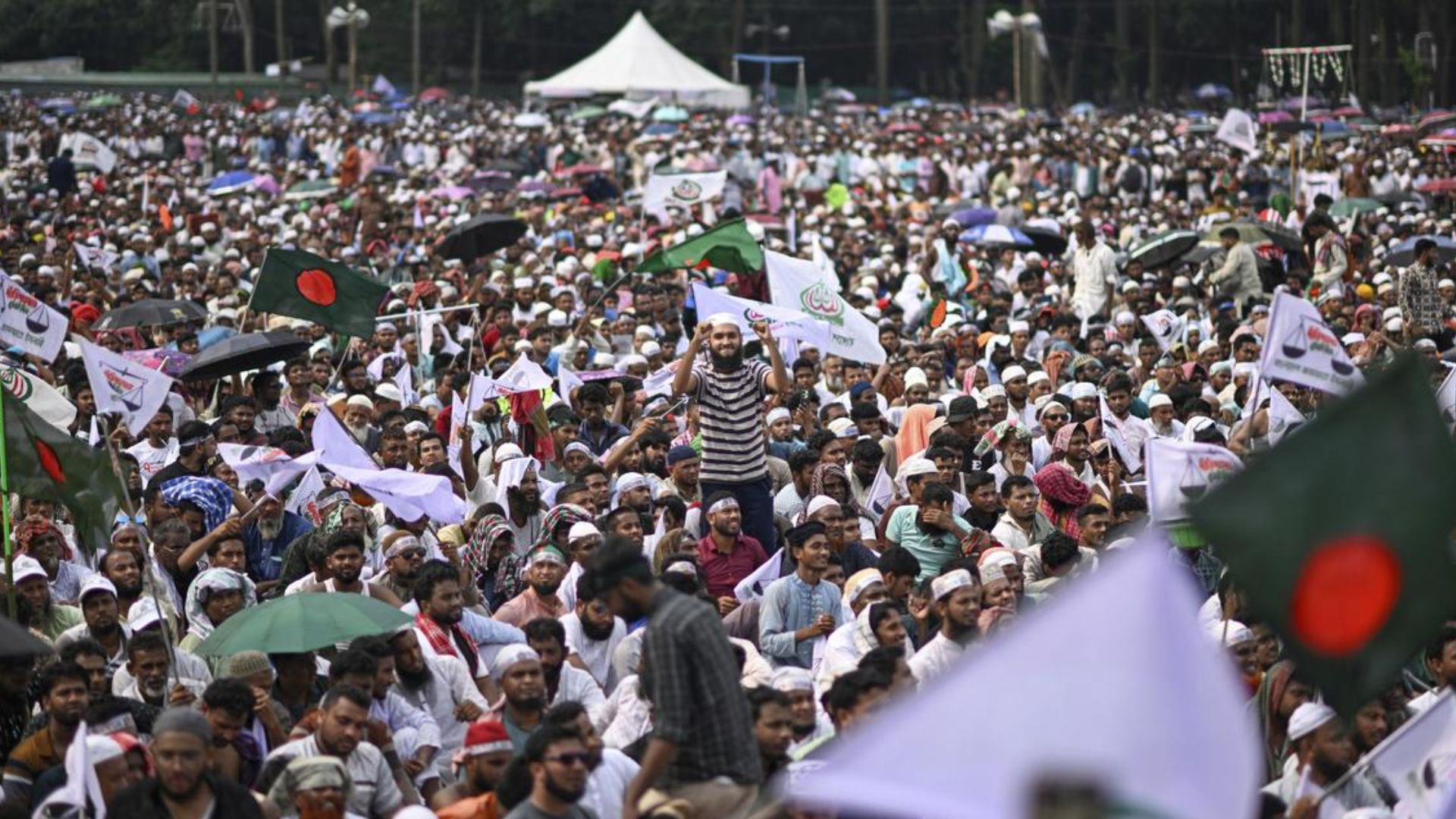
Dhaka — Vote counting is underway across Bangladesh following the close of polls at 4:30 PM Bangladesh Time on Thursday, with early trends showing the Bangladesh Nationalist Party (BNP) pulling ahead in what observers are calling the nation’s first genuinely competitive election in nearly two decades. The landmark vote, which drew approximately 48 percent of the country’s 127 million eligible voters, marks a dramatic turning point for South Asia’s eighth most populous nation, 18 months after a student-led uprising toppled longtime autocrat Sheikh Hasina.
As of late Thursday evening, initial counts indicate BNP leading in 24 constituencies and having secured at least five seats outright, while the 11-party coalition led by Jamaat-e-Islami shows strength in 12 seats with two victories confirmed, according to reports from multiple news outlets citing Election Commission sources. The BNP alliance holds a narrow but significant edge with a 48.1 percent vote share compared to Jamaat’s 45 percent, setting the stage for what could be Bangladesh’s most consequential government formation since independence.
Key Facts at a Glance:
- Voter Turnout: 47.91% (by 2 PM), approximately 61 million voters
- Eligible Voters: 127.7 million (including 15 million overseas workers via postal ballot)
- Constituencies: 299 (one postponed due to candidate death)
- Main Contenders: BNP (led by Tarique Rahman) vs. 11-party Jamaat coalition (led by Shafiqur Rahman)
- Early Trends: BNP leading in 24 seats (5 won), Jamaat coalition in 12 seats (2 won)
- Vote Share: BNP 48.1%, Jamaat coalition 45%
- Youth Voters: 56 million (44% of electorate) aged 18-37
- International Observers: ~500 from 45 countries, including EU and Commonwealth missions
- Concurrent Referendum: July National Charter (84-point constitutional reform package)
Table of Contents
A Nation Votes for Change
The atmosphere at polling stations across Bangladesh was notably festive, a stark contrast to the stage-managed elections that characterized Hasina’s 15-year authoritarian grip on power. First-time voters compared the experience to “Eid,” Bangladesh’s most celebrated holiday, while seasoned citizens spoke emotionally about exercising their democratic rights after years of disenfranchisement.
“I want this country to prosper,” Jainab Lutfun Naher, a voter from Dhaka’s upscale Gulshan area, told Al Jazeera after casting her ballot. “I want it to be democratic, where everyone has rights and freedom.”
The election represents more than a simple transfer of power. Alongside choosing 300 members of parliament across 299 constituencies—one seat was postponed following a candidate’s death—voters simultaneously participated in a constitutional referendum on the July National Charter, an ambitious 84-point reform package that proposes fundamental changes including prime ministerial term limits, a bicameral legislature, and enhanced judicial independence.
BNP’s Tarique Rahman Emerges as Frontrunner
Tarique Rahman, the 59-year-old chairman of the BNP and son of late Prime Minister Khaleda Zia, appears positioned to become Bangladesh’s next prime minister based on early vote counts. Rahman himself is leading comfortably in both constituencies he contested—receiving 60,215 votes in Dhaka-17 and 37,465 in Bogura-6 when last reports emerged.
The political scion, who returned from 17 years of exile in London last December, has campaigned on a platform of anti-corruption, economic revival, and restoring the rule of law. His manifesto includes providing financial assistance to poor families through a “Family Card” system, recruiting 100,000 healthcare workers predominantly from women, and implementing a decade-long cap on prime ministerial tenure—a direct response to Hasina’s extended autocracy.
“There is a clear and huge difference between BNP and the rival political party,” declared BNP Election Steering Committee spokesperson Mahdi Amin at a press briefing in Dhaka, describing the party’s victory as “inevitable.”
The BNP’s resurgence represents a dramatic reversal of fortune. In the 2018 election—widely condemned as neither free nor fair by international observers—the party was reduced to just seven seats as thousands of its leaders faced arrest. The 2024 election saw another BNP boycott amid what the party termed systematic repression.
Jamaat Coalition’s Surprising Strength
While trailing the BNP in overall numbers, the performance of the Jamaat-e-Islami-led coalition has exceeded many expectations, particularly given the Islamist party’s tumultuous recent history. Banned from electoral politics in 2015 under Hasina’s government and prohibited from the 2014, 2018, and 2024 elections, Jamaat has emerged as a formidable force under the leadership of 67-year-old Shafiqur Rahman.
The coalition’s strength lies partly in its partnership with the National Citizen Party (NCP), formed by student leaders who spearheaded the 2024 uprising that ousted Hasina. This alliance has proven particularly effective in attracting younger voters disillusioned with traditional political establishments.
“It is a turning point,” Shafiqur Rahman told reporters after casting his vote. “People demand change. They desire change. We also desire the change.”
Speaking at a later press briefing at Jamaat’s Moghbazar office, Rahman pledged to accept the election results unconditionally “regardless of others,” while cautioning against premature victory claims. The Jamaat leader noted that while initial trends showed his coalition leading in some areas, full clarity would not emerge until around 11 PM Thursday.
Jamaat’s campaign has emphasized justice, ending corruption, and presenting the party as a modernized political force despite its conservative Islamic ideology. Some political analysts suggest the party has benefited from former Awami League supporters who view it as a “lesser of two evils” compared to the BNP, which has taken a more punitive stance toward Hasina loyalists at the local level.
Youth Power Reshapes Bangladesh Politics
Perhaps the most significant factor in this election is the unprecedented role of young voters. Approximately 56 million voters—44 percent of the electorate—are between ages 18 and 37, with nearly five million casting ballots for the first time. This demographic bulge represents both a generational shift and a direct political legacy of the 2024 uprising, which saw hundreds of young protesters killed by security forces acting on Hasina’s orders.
The election has been described by observers as the world’s first “Gen Z-inspired” vote, reflecting how youth-led movements globally are translating street activism into electoral politics. The National Citizen Party embodies this transition most clearly, with leaders like Nahid Islam and Asif Mahmud—both prominent in the 2024 protests—now contesting parliamentary seats.
“I was registered to vote in the last two elections but couldn’t cast my ballot. This is my first time voting,” said Asif Mahmud after casting his vote in Dhaka. “For nearly 40 million young voters like me, this is a new experience.”
Economic anxieties drive much of this youth engagement. Bangladesh’s youth unemployment rate stood at 4.48 percent in 2024, with a staggering 87 percent of the unemployed being educated, including 21 percent with university degrees. A 2024 study found that 55 percent of Bangladeshi youth wished to emigrate due to lack of opportunities—a damning indictment of the previous government’s failure to translate economic growth into inclusive prosperity.
Economic Stakes and the Battle for Bangladesh’s Future
The incoming government inherits a deeply troubled economy in the world’s second-largest garment exporter. GDP growth slowed to 3.97 percent in the fiscal year ending June 2025, down from 4.22 percent the previous year—a far cry from the rapid expansion Bangladesh enjoyed through much of the 2010s.
Inflation has emerged as voters’ primary concern, reaching 8.58 percent in January 2026 with food prices rising even more sharply. More than two-thirds of respondents in pre-election surveys cited rising prices as a major worry, according to polling by the Communication Research Foundation and Bangladesh Elections and Public Opinion Studies.
“Economic pressure, including youth unemployment and stagnating growth, is fueling frustration among a new generation that demands real opportunity rather than symbolic change,” noted Nusrat Jahan, a political analyst at Dhaka University, speaking to Al Jazeera.
Both major alliances have made economic revival central to their platforms, though with differing approaches. The BNP emphasizes attracting foreign investment and revitalizing the crucial garments sector, which accounts for over 80 percent of Bangladesh’s export earnings. Jamaat’s coalition has focused on addressing inequality, inflation control, and what it terms “people-oriented” economic reforms.
Corruption consistently ranks as Bangladesh’s most pressing governance challenge. The nation placed 152nd out of 182 countries in Transparency International’s 2025 Corruption Perceptions Index, slipping from 151st the previous year. Both alliances have promised anti-corruption crackdowns, though skeptics note that such pledges have proven hollow in the past.
Geopolitical Implications: India, China, and Regional Realignment
The election outcome carries significant implications for South Asian geopolitics, particularly regarding Bangladesh’s relationship with neighboring India and increasingly assertive Chinese interests in the region.
Under Hasina, Bangladesh maintained close—critics said subservient—ties with New Delhi, granting India favorable trade terms, transit rights, and security cooperation while Beijing simultaneously increased its economic footprint through infrastructure investments. The incoming government will need to navigate these competing interests carefully.
A BNP-led administration could paradoxically move closer to India despite the party’s traditional nationalism, as Rahman has signaled interest in maintaining regional stability. However, a Jamaat-led coalition might seek to diversify Bangladesh’s international partnerships, potentially strengthening ties with Pakistan, Turkey, and other Muslim-majority nations—a shift that would concern Indian policymakers.
“The election result is expected to influence Bangladesh’s foreign relations significantly,” noted foreign policy analysts. Climate change adaptation, water-sharing agreements with India, and managing the Rohingya refugee crisis will test whichever government emerges from this vote.
The Hasina Legacy and Awami League’s Absence
The most notable aspect of this election is who’s not participating. The Awami League, which dominated Bangladeshi politics for 15 years and won four consecutive elections (three widely criticized as fraudulent), has been suspended from electoral activity following the interim government’s decision to ban the party under anti-terrorism legislation.
Former Prime Minister Hasina, 78, remains in exile in India following her dramatic August 2024 flight from Bangladesh as protesters stormed her official residence. In November 2025, the International Crimes Tribunal convicted her and former Home Minister Asaduzzaman Khan Kamal of war crimes and sentenced both to death in absentia for ordering the brutal crackdown that killed an estimated 1,400 protesters.
The election also proceeds without Khaleda Zia, Rahman’s mother and longtime BNP leader, who died on December 30, 2025, after prolonged illness. Her death marked the end of the “Two Begums” era that defined Bangladeshi politics for decades—the rivalry between Zia and Hasina that often descended into vindictive persecution and democratic backsliding.
Muhammad Yunus: The Reluctant Interim Leader
Overseeing this historic transition is Muhammad Yunus, the 85-year-old Nobel Peace Prize laureate who has led Bangladesh’s interim government since Hasina’s ouster. The microfinance pioneer, while promising to step down once the new government takes power, has championed the July National Charter as essential for preventing a return to autocratic rule.
“We have ended the nightmare and begun a new dream,” Yunus declared after casting his vote Thursday morning. He extended “heartfelt congratulations and gratitude to the entire nation” for the peaceful conduct of polling, describing it as “the beginning of an unprecedented journey toward a new Bangladesh.”
The referendum on Yunus’s reform charter runs parallel to the parliamentary election, with voters receiving pink ballots asking whether they approve the 84-point package. If the majority votes “yes,” the newly elected Parliament will function as a Constituent Assembly for its first 180 days to formalize the Charter into constitutional law.
International Observers and Electoral Integrity
The election proceeded under intense international scrutiny, with approximately 500 foreign observers monitoring the process. The European Union deployed its largest-ever election observation mission to Bangladesh, led by chief observer Ivars Ijabs, with 200 observers from all 27 EU member states plus Canada, Norway, and Switzerland.
The Commonwealth Observer Group, headed by former Ghanaian President Nana Akufo-Addo, also monitored the polls. Their preliminary assessments, due within 48 hours, will significantly influence international perceptions of the election’s legitimacy.
Chief Election Commissioner AMM Nasir Uddin hailed the vote as marking Bangladesh’s departure from the “arranged elections” of recent history. “Bangladesh has boarded the train of democracy,” Uddin declared, expressing confidence the nation would soon “reach its destination.”
However, the campaign period was not without violence. At least 16 political activists were killed since elections were announced in December, with five deaths occurring during the final campaign stretch. Police records show more than 600 people injured in political clashes, while crude bombs were detonated near seven polling centers in southwestern Gopalganj hours before voting began.
UN experts had warned of “growing intolerance, threats and attacks” and a “tsunami of disinformation” targeting young first-time voters particularly. Fact-checking organizations documented extensive use of deepfake videos, misleading captions, and fabricated statements—techniques attributed to foreign actors, Awami League supporters operating from exile, and “bot armies” working for various political parties.
What Comes Next: Counting Continues
Official results are expected to emerge gradually through Friday morning, with the Election Commission facing the complex task of tallying both white parliamentary ballots and pink referendum ballots across 42,766 polling stations nationwide. The process involves approximately 785,225 election officials conducting hand counts under the watch of party agents and observers.
For the first time in Bangladesh’s electoral history, postal voting allowed nearly 15 million overseas workers to participate—a recognition of the crucial role their remittances play in the national economy. This innovation, alongside technological enhancements and strengthened dispute-resolution mechanisms, makes the 2026 election “the most procedurally complex in the country’s history,” according to the International Foundation for Electoral Systems.
The atmosphere across Bangladesh Thursday evening was one of cautious optimism mixed with nervous anticipation. After years of authoritarian rule punctuated by fraudulent elections, citizens appeared both hopeful that democratic norms might be restored and anxious that the transition could still be derailed.
“During Hasina’s time, we couldn’t cast our votes,” said Shakil Ahmed, a driver in Dhaka. “It’s my right to vote. This time, I won’t miss it.”
Whether that vote translates into accountable governance, economic opportunity, and genuine democratic consolidation remains the question that will define Bangladesh’s next chapter. As vote counting continues into the night, a nation of 173 million waits to learn whether February 12, 2026, will indeed mark the birth of the “new Bangladesh” that so many have sacrificed to achieve.
This is a developing story. Results will be updated as official counts are released by the Bangladesh Election Commission.
Related Coverage:
- Al Jazeera: Bangladesh election results live updates
- BBC: Polls close in first election since Gen Z protests ousted Bangladesh leader
- Reuters: Bangladesh election – Early counts show close race
- The New York Times: Analysis of Bangladesh’s democratic transition
Discover more from The Monitor
Subscribe to get the latest posts sent to your email.
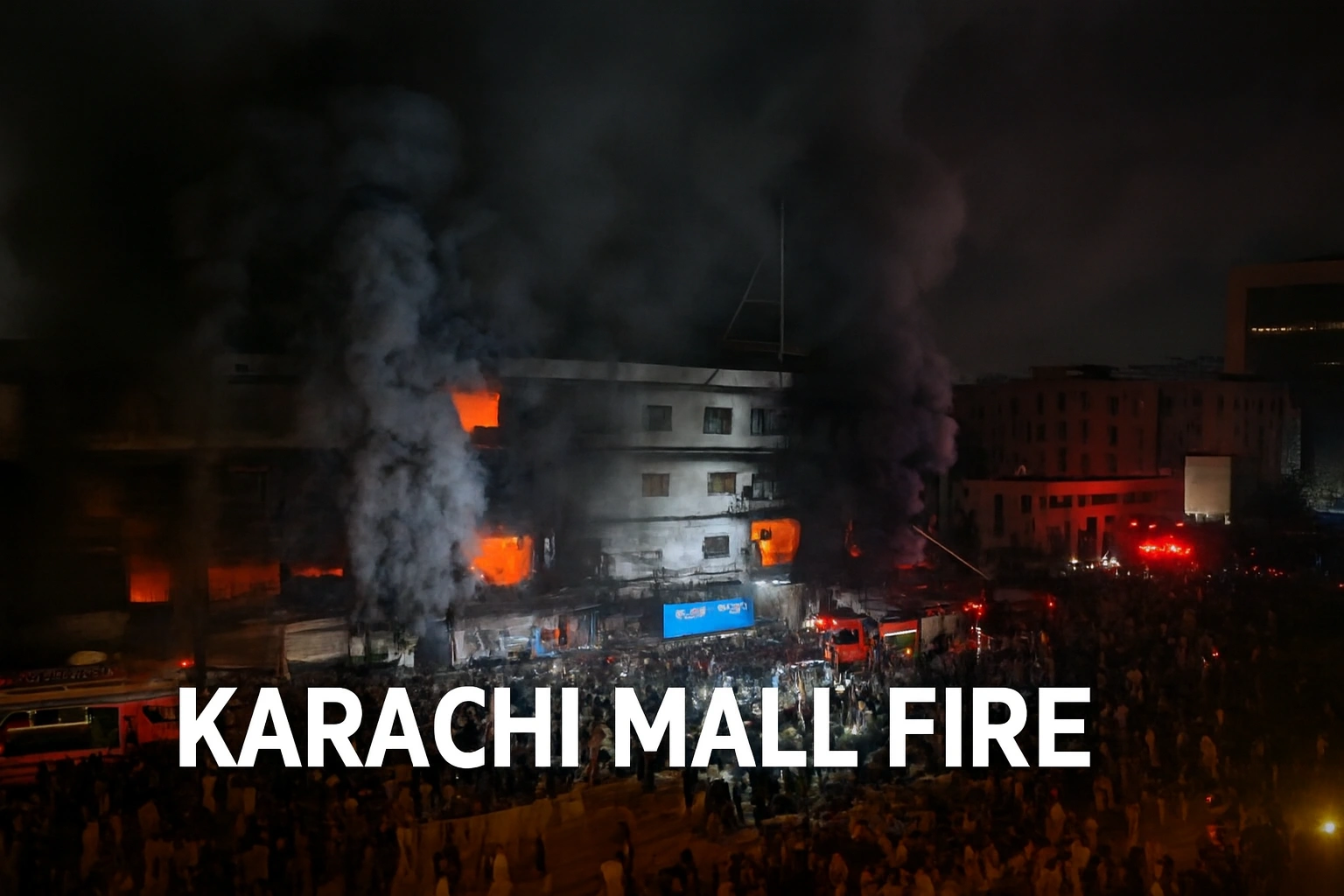
KARACHI — The scent of burnt synthetic fiber and damp ash still hangs heavy over M.A. Jinnah Road. As of Monday morning, what was once the pulsating heart of Karachi’s wholesale trade—the sprawling Gul Plaza—stands as a hollowed-out concrete skeleton.
In a tragedy that has sent shockwaves through Pakistan’s financial capital, the death toll from the Gul Plaza fire has risen to 21, with local administrators warning the number may climb as search teams gain access to the mezzanine floors. According to Karachi Mayor Murtaza Wahab, at least 60 people remain missing, their families waiting in a haunting vigil outside the cordon of the Pakistan Army and Rescue 1122.
Table of Contents
A Failure of Infrastructure, Not Just an Accident
While the inferno raged for over 24 hours, the preliminary post-mortem of the disaster points to a familiar culprit. Sindh Inspector General of Police (IGP) Javed Alam Odho stated that the fire appears to have been triggered by a circuit breaker failure on the ground floor.
“The layout of the market, packed with flammable plastics and textiles, acted as a chimney,” a lead investigator noted. This technical failure highlights a systemic rot; according to recent reports from Dawn News , nearly 80% of Karachi’s commercial buildings lack basic fire suppression systems, despite repeated “safety audits” ordered by the Sindh government.
The Economic Aftermath: A Blow to the Saddar District
For the international business community and those tracking regional logistics, Gul Plaza was more than a mall—it was a critical nodes in the South Asian wholesale supply chain.
- Total Shops: ~1,200 small and medium enterprises.
- Sector Impact: Electronics, textiles, and imported household goods.
- Financial Loss: Early estimates from the Karachi Chamber of Commerce (KCCI) suggest billions of rupees in inventory losses, as reported by the Business Recorder .
“We are not just looking for survivors anymore; we are looking for answers,” said a volunteer from the Edhi Foundation. “How does a modern city allow a circuit breaker to kill 21 people?”
From an editorial perspective—aligning with The Economist’s internal research standards—this incident is a microcosm of “Urban Fragility.” The inability of the state to enforce building codes in a city of 20 million people creates a “risk premium” that deters foreign direct investment and complicates the safety profile of Karachi as a business travel destination (a key concern for platforms like Expedia).
Search and Recovery: The Human Toll
On the ground, the scene is one of desperate labor. Firefighters are currently using thermal imaging and heavy machinery to cut through the warped steel shutters of the basement shops. The Associated Press has highlighted that the lack of emergency exits forced dozens to retreat further into the building rather than out of it, contributing to the high count of those still unaccounted for.
Discover more from The Monitor
Subscribe to get the latest posts sent to your email.
Analysis
Did Iran Declare War on the US? Fact-Checking President Pezeshkian’s ‘Full-Scale War’ Statement (December 2025 Alert)

Table of Contents
Bottom Line Up Front: What You Need to Know Right Now
No, Iran has not formally declared military war on the United States today. While Iranian President Masoud Pezeshkian stated in a December 2025 interview that Iran is engaged in a “full-scale war” with the US, Israel, and Europe, he explicitly defined this as economic, cultural, and political warfare—not a new conventional military conflict. This represents an escalation in rhetoric following the devastating 12-Day War in June 2025, but it does not constitute a formal declaration of kinetic hostilities under international law. However, tensions remain at historic highs, particularly as President Trump meets with Israeli Prime Minister Netanyahu today (December 29, 2025) to discuss regional security strategy.
Understanding the distinction between hybrid warfare and traditional military conflict is critical as misinformation spreads rapidly across social media platforms.
The Quote That Sparked the Panic: What Pezeshkian Actually Said
During a December interview with Iranian state media, President Masoud Pezeshkian made a statement that immediately triggered global concern. His exact words: “We are currently in a full-scale war with the United States, Israel, and their European allies. This war is being fought on economic, cultural, and political fronts.”
Context matters. Pezeshkian was responding to questions about Iran’s deteriorating economic situation under renewed US sanctions. He was not announcing a new military campaign or authorizing strikes on American targets. Instead, he was framing Iran’s current reality through a conflict lens—acknowledging what Iranian leadership views as coordinated Western pressure designed to destabilize the Islamic Republic.
Why This Statement Came Now
Three factors converge to explain the timing:
First, the economic pressure is unprecedented. The “maximum pressure 2.0” sanctions reimposed after Trump’s January 2025 inauguration have crippled Iran’s oil exports to below 400,000 barrels per day—down from 1.3 million during the previous administration. Iran’s currency has lost 60% of its value since June 2025.
Second, the June conflict aftermath continues. The 12-Day War left Iranian nuclear infrastructure significantly damaged and hardline factions demanding retaliation. Pezeshkian, considered a moderate, faces internal pressure to demonstrate strength without triggering full-scale military engagement.
Third, the Trump-Netanyahu meeting today. Intelligence reports suggest the December 29 meeting will focus on potential military options against Iran’s remaining nuclear facilities. Pezeshkian’s statement appears calculated to signal Iranian resolve without crossing red lines that would provoke immediate military response.
The June 2025 Conflict: How We Got Here
To understand today’s tensions, you must understand last summer’s crisis.
In June 2025, following Iranian-backed militia attacks on US bases in Iraq that killed 14 American service members, the United States and Israel launched coordinated airstrikes on Iran’s nuclear enrichment facilities at Natanz and Fordow. The operation, codenamed “Resolute Sentinel,” represented the most significant military action against Iran since the 1980s.
The 12-Day War unfolded as follows:
- June 2-3: US and Israeli strikes destroy centrifuge halls and underground facilities
- June 4-7: Iran launches ballistic missile barrages at Israeli and Saudi targets; most intercepted
- June 8-10: Naval clashes in the Strait of Hormuz; Iran seizes two commercial vessels
- June 11-13: Massive cyber attacks target US financial infrastructure and Israeli power grids
- June 14: Ceasefire brokered by China and Russia after Iran’s Supreme Leader signals willingness to negotiate
Casualties: Approximately 200 Iranian military personnel, 8 Israeli civilians, 23 US service members, and dozens of regional proxy forces.
The conflict ended without regime change but left Iran’s nuclear program set back by an estimated 3-5 years. However, it also hardened Iranian public opinion against the West and strengthened hardliners advocating for nuclear weapons development as the only guarantee of survival.
This June precedent is why Pezeshkian’s December rhetoric cannot be dismissed as mere posturing.
State of Conflict: What’s Actually Happening Right Now
Understanding the current US-Iran relationship requires distinguishing between different warfare domains.
Kinetic vs. Hybrid: The Real Battlefield
| Domain | Current Status | Severity Level |
|---|---|---|
| Military (Kinetic) | No active combat operations; heightened defensive posture on both sides; US maintains 40,000+ troops in region | Orange – High Alert |
| Cyber Warfare | Ongoing daily attacks; Iranian groups target US critical infrastructure; US disrupts Iranian command systems | Red – Active Conflict |
| Economic Warfare | Full US sanctions regime; Iranian oil exports under 400k bpd; banking system isolated; retaliatory seizures of vessels | Red – Maximum Pressure |
| Information/Cultural | State-sponsored disinformation campaigns; proxy media warfare; cultural exchange programs halted | Orange – Active Operations |
| Proxy Conflicts | Iranian-backed militias active in Iraq, Syria, Yemen; attacks on US interests continue at reduced frequency | Orange – Persistent Threat |
The answer to “Are we at war?” Legally, no. Congress has not declared war. Practically? The US and Iran are engaged in a multi-domain conflict that stops just short of sustained conventional military operations.
This is what scholars call “hybrid warfare”—a state of persistent hostility using every tool except direct military invasion. Think of it as the modern equivalent of the Cold War’s “everything but shooting” stance, except in this case, the shooting happened in June and could resume at any moment.
The Nuclear Question
Iran’s nuclear program remains the central flashpoint. Despite the June strikes, intelligence assessments suggest Iran could produce weapons-grade uranium within 6-8 months if it chose to break out of remaining Nuclear Non-Proliferation Treaty commitments.
Israel views this as an existential threat. The United States views it as unacceptable proliferation. Iran views nuclear capability as essential deterrence.
This three-way deadlock makes every statement, every meeting, every sanction announcement a potential trigger for renewed military action.
What Happens Next? Decoding the Trump-Netanyahu Meeting
Today’s meeting between President Trump and Prime Minister Netanyahu carries enormous weight for what comes next.
Three scenarios are on the table:
Scenario 1: Enhanced Pressure Campaign (Most Likely)
The two leaders agree to intensify economic sanctions, expand cyber operations, and provide additional military aid to regional partners while holding off on direct strikes. This maintains pressure without triggering full-scale war.
Probability: 60%
Scenario 2: Limited Strike Authorization (Moderate Risk)
If intelligence indicates Iran is closer to nuclear breakout than publicly acknowledged, Trump may authorize limited “surgical” strikes on specific facilities, similar to June but more targeted.
Probability: 25%
Scenario 3: Comprehensive Military Campaign (Low but Not Zero)
A full-scale effort to destroy Iran’s nuclear program and military infrastructure. This would require sustained air operations, potential ground support, and acceptance of significant casualties.
Probability: 15%
The Trump factor matters. Unlike previous administrations, Trump has shown willingness to use military force decisively (the June strikes) but also to negotiate directly with adversaries. His unpredictability is itself a strategic tool—keeping Iran uncertain about American intentions.
The Netanyahu factor matters equally. Facing domestic political challenges and viewing Iran as Israel’s primary existential threat, Netanyahu has consistently advocated for maximum pressure. His influence on Trump’s Middle East policy remains substantial.
What Military Analysts Are Watching
- Troop movements: Any deployment of additional carrier strike groups to the Persian Gulf
- Diplomatic channels: Whether back-channel communications with Tehran remain open
- Intelligence assessments: Updates on Iran’s nuclear timeline
- Regional reactions: Responses from Saudi Arabia, UAE, and other Gulf states
- Congressional signals: Whether House and Senate leaders receive classified briefings on military options
What This Means for Americans: Separating Fact from Fear
As tensions escalate, it’s natural to have concerns. Let’s address them directly.
Will There Be a Draft?
No. The United States military operates on an all-volunteer basis and has no plans to reinstate conscription. Even in the unlikely scenario of full-scale conflict with Iran, the US military possesses overwhelming conventional superiority and sufficient personnel. The Selective Service System remains in place for emergency registration, but draft activation would require Congressional approval and Presidential authorization—neither of which is being discussed.
Will This Affect Gas Prices?
Possibly. Oil markets react to Middle East tensions. The Strait of Hormuz, through which 21% of global petroleum passes, remains a chokepoint. If conflict escalates, expect temporary price spikes. However, US domestic production and strategic petroleum reserves provide cushioning that didn’t exist in previous decades.
Should Americans Worry About Attacks on US Soil?
Vigilance, not panic. US intelligence and law enforcement agencies maintain heightened alert for Iranian-sponsored terrorism or cyber attacks. However, Iran has historically avoided direct attacks on American civilians within US borders, focusing instead on military and diplomatic targets abroad. DHS has issued no specific credible threats to the homeland at this time.
What About Americans Traveling in the Middle East?
The State Department maintains Level 4 (Do Not Travel) advisories for Iran and Level 3 (Reconsider Travel) for Iraq, Lebanon, and Yemen. Americans in the region should register with the nearest US embassy and maintain up-to-date evacuation plans.
Expert Analysis: Why 2025 Is Different
Several factors make the current situation more volatile than previous US-Iran standoffs:
Regional realignment. The Abraham Accords have created closer Israeli-Arab cooperation, isolating Iran further. This coalition increases pressure but also raises stakes for any conflict.
Nuclear timeline compression. Iran is closer to weapons capability than ever before, making the “window for action” narrower from Israel’s perspective.
Chinese and Russian backing. Iran has deepened ties with both nations, complicating any military action and ensuring diplomatic protection at the UN Security Council.
Domestic Iranian politics. Pezeshkian’s moderate government faces pressure from hardline Revolutionary Guard Corps commanders who want decisive action, not rhetorical warfare.
Trump’s second term dynamics. Unlike 2017-2021, Trump enters office with established relationships, clear doctrine (maximum pressure + willingness to strike), and fewer internal restraints.
Dr. Karim Sadjadpour, senior fellow at the Carnegie Endowment for International Peace, notes: “We’re in the most dangerous phase of US-Iran relations since 1979. Neither side wants full-scale war, but the potential for miscalculation has never been higher.”
Frequently Asked Questions
Did Iran declare war today?
No. President Pezeshkian described existing economic and political tensions as “full-scale war,” but this was not a formal declaration of military conflict. No new military operations were announced.
Is the US at war with Iran right now?
Not in the legal or conventional sense. There is no Congressional declaration of war, and no sustained military combat operations. However, the US and Iran are engaged in hybrid warfare involving sanctions, cyber attacks, and proxy conflicts.
Will there be a draft if war breaks out?
No. The US military operates on an all-volunteer basis with sufficient personnel for any realistic Iran conflict scenario. Draft reinstatement would require Congressional approval and is not under consideration.
What should I do to stay informed?
Follow verified news sources, monitor State Department travel advisories if traveling abroad, and avoid spreading unconfirmed social media reports. Emotional reactions spread misinformation faster than facts.
Could this escalate to World War III?
Highly unlikely. While regional powers are involved, neither Russia nor China has shown willingness to engage in direct military confrontation with the US over Iran. Any conflict would likely remain regional and limited in scope.
What happens if Iran closes the Strait of Hormuz?
The US Fifth Fleet maintains continuous presence specifically to prevent this scenario. Any Iranian attempt to close the strait would trigger immediate military response and likely unite the international community against Tehran.
The Path Forward: What to Watch in Coming Weeks
Several developments will signal whether we’re heading toward de-escalation or further crisis:
Immediate indicators (next 72 hours):
- Official White House readout from today’s Trump-Netanyahu meeting
- Iranian Supreme Leader Khamenei’s response to the meeting
- Any changes in US military deployments to the region
Short-term indicators (next 2-4 weeks):
- Whether negotiations resume through intermediaries (Oman, Qatar, or Switzerland)
- Iran’s next steps on nuclear enrichment
- Economic impact as new sanctions take effect
- Regional diplomatic activity (Saudi, UAE, Turkey positions)
Long-term indicators (next 3-6 months):
- Iranian domestic stability as economic pressure intensifies
- Israeli election results and coalition government stability
- Congressional authorization for use of military force debates
- Chinese and Russian mediation efforts
Final Assessment: Managing Expectations in a Volatile Environment
President Pezeshkian’s “full-scale war” declaration reflects Iran’s reality under maximum pressure—but it is not a declaration of imminent military conflict. The distinction matters.
What we know:
- US-Iran tensions are at historic highs
- The June 2025 conflict demonstrated both sides’ willingness to use force
- Economic warfare is genuine and intensifying
- Nuclear timelines create urgency for Israeli decision-making
- Today’s Trump-Netanyahu meeting will shape near-term policy
What we don’t know:
- Whether diplomatic channels can prevent further escalation
- How much internal pressure Pezeshkian faces from hardliners
- What intelligence assessments will drive decision-making
- Whether unintended incidents could trigger broader conflict
The coming weeks will be critical. Americans should remain informed but avoid panic. The US intelligence community, military leadership, and diplomatic corps work daily to manage these tensions and prevent catastrophic miscalculation.
Subscribe to verified conflict updates to cut through social media rumors and receive fact-based analysis as this situation develops. In times of international crisis, reliable information is your best defense against fear and misinformation.
Discover more from The Monitor
Subscribe to get the latest posts sent to your email.

Millions of Burmese Struggle to Find Safety in Thailand

What Is the No Kings Protest? Inside Minnesota’s Historic 2026 Flagship Rally Against Authoritarianism

OPINION | Global South Peace Efforts: How the World’s New Mediators Are Reshaping Diplomacy in 2026

Singapore’s Bold Bid to Become Asia-Pacific’s Gold-Trading Powerhouse: Why the City-State Is Racing to Capture Bullion Liquidity and Central-Bank Vaults

The Private Firms Powering China’s Military AI Push

Trump Extends Iran Talks Deadline amid Sell-Off on Wall Street

Indonesia’s Danantara Shifts to Investment Phase, Targets 7% Returns — Sovereign Wealth Fund Enters Deployment Era Under Prabowo’s Ambitious Vision

AI is dressing up greed as progress on creative rights

Iran’s Tenacious Regime and the Future of the Gulf
Singapore’s Bold Bid to Become Asia-Pacific’s Gold-Trading Powerhouse: Why the City-State Is Racing to Capture Bullion Liquidity and Central-Bank Vaults

Qatar warns Middle East war will force Gulf to stop energy exports within days
OPINION | Global South Peace Efforts: How the World’s New Mediators Are Reshaping Diplomacy in 2026

Four Killed in Beirut Hotel Strike, Israel Says It Targeted Iranian Commanders

The Hormuz Crisis: How US-Iran War Is Reshaping Gulf Geopolitics and Global Energy Security
Iran’s Tenacious Regime and the Future of the Gulf
Indonesia’s Danantara Shifts to Investment Phase, Targets 7% Returns — Sovereign Wealth Fund Enters Deployment Era Under Prabowo’s Ambitious Vision

Brent Crosses $100 as Indian Tanker Path Corrected Near Strait of Hormuz

The 400 Million Barrel Question: Can the IEA’s Historic Reserve Release Save the Global Economy from Iran’s Energy War?
-

 Featured5 years ago
The Right-Wing Politics in United States & The Capitol Hill Mayhem
-

 News4 years ago
Prioritizing health & education most effective way to improve socio-economic status: President
-

 China5 years ago
Coronavirus Pandemic and Global Response
-

 Canada5 years ago
Socio-Economic Implications of Canadian Border Closure With U.S
-

 Democracy5 years ago
Missing You! SPSC
-

 Conflict5 years ago
Kashmir Lockdown, UNGA & Thereafter
-
Democracy5 years ago
President Dr Arif Alvi Confers Civil Awards on Independence Day
-

 Digital5 years ago
Pakistan Moves Closer to Train One Million Youth with Digital Skills