
Biography
🎙️ Dr. Arifa Sayeda Zehra: A Life Dedicated to Education and Social Empowerment


Dr. Arifa Sayeda Zehra, often referred to as a national icon in Pakistan, was a towering figure whose contributions spanned the realms of education, intellectual history, and social advocacy. Her distinctive voice and profound insights, particularly on the Urdu language, literature, human rights, and social issues, cemented her legacy as one of the most respected intellectuals and humanitarians of her time.
Table of Contents
👩🏫 The Professional Journey of a Pioneering Educationist
Dr. Zehra’s professional life was characterised by a deep commitment to teaching, academic leadership, and educational reform, particularly for women’s empowerment.
- Academic Foundation: She built a formidable academic background, earning a Bachelor of Arts (Honours) from Lahore College for Women University, a Master of Arts in Urdu from Government College University, Lahore, and further degrees—an M.A. in Asian Studies and a Ph.D. in History—from the University of Hawaii at Manoa. Her 1983 dissertation, Sir Sayyid Ahmad Khan, 1817-1898: Man with a Mission, reflected her specialisation in intellectual history.
- Key Leadership Roles: Her career included influential roles at premier educational institutions in Lahore:
- She began as a lecturer at Lahore College for Women in 1966, eventually serving as its vice principal (1985-1988) and then Principal (1988-1989).
- She later served as the Principal of the Government College of Women, Gulberg (1989-2002).
- Later Career and Influence: Post-retirement from formal administration, her expertise remained in high demand. She was a Professor Emeritus of History at Forman Christian College and was a visiting faculty member at numerous prestigious institutions, including the Lahore University of Management Sciences (LUMS) and the National College of Arts (NCA).
🌟 Key Achievements and Educational Reforms
Dr. Zehra’s impact on education goes beyond her administrative roles; she was a fervent advocate for quality education and language preservation.
Advocating for the Urdu Language
She was celebrated for her immense knowledge and passion for the Urdu language and literature. Dr. Zehra continually advocated for the language’s continued use, accessibility to classic books, and what she termed a “literary revolution” among Pakistani youth to reconnect them with their national heritage. Her televised forums and lectures often explored the socio-cultural context of the language, discussing influences like colonialism and classism on its perception.
Influential Public Service
Her expertise led to involvement in high-level policy and governance:
- She served as a member of the Punjab Public Service Commission (2002-2005).
- She was a Caretaker Provincial Minister of Punjab, demonstrating her readiness to contribute to provincial governance.
- She served as the Special Advisor to the Prime Minister for Education and National Harmony Affairs.
🫂 Impact as a Social Worker and Human Rights Advocate
While she often stated she preferred to work for social change through the platform of education rather than official NGO membership, Dr. Zehra’s contributions to human rights and gender equality are profound.
- Champion of Gender Equality: Her decision to teach at women’s colleges was deeply rooted in her commitment to female equity and parity. She used her platform to educate women on their basic legal rights and societal roles.
- Chairperson of NCSW: She served as the Chairperson on the National Commission on the Status of Women (NCSW), a critical position from which she could directly influence policy and legislation to improve the lives and standing of women in Pakistan.
- Voice for Development and Rights: She was a vocal proponent for basic human rights and holistic development in Pakistan, often discussing South Asian social issues in public forums and conferences. Her intellectual analysis of societal problems helped shape public discourse and raise awareness among various segments of the population.
💎 The Enduring Legacy
Dr. Arifa Sayeda Zehra’s legacy is one of intellectual honesty, unwavering integrity, and a life dedicated to service. Her passing on November 10, 2025 (at the age of 88), marked the end of an era, but her influence continues.
- Inspiration to Youth: Her engaging and accessible lectures, which often went viral online, made her an inspirational figure, particularly for the youth, who were drawn to her eloquent articulation of complex issues.
- Intellectual Depth: She gifted Pakistan a treasure trove of critical analysis on history, society, and literature, constantly pushing for deeper, more reasoned engagement with national challenges.
- Recognition: Her lifetime of service was recognised through various honors, including the University of Hawaii Distinguished Alumni Awardee in 2016.
Dr. Zehra remains a shining example of how a dedicated educationist can transcend the classroom to become a formidable force for social justice and national harmony. Her work will continue to inspire new generations to seek knowledge and speak truth to power.
Discover more from The Monitor
Subscribe to get the latest posts sent to your email.



T.K. Carter, the warmhearted character actor who brought joy to millions as Mike Fulton on NBC’s beloved 1980s sitcom “Punky Brewster,” has died at age 69, according to multiple reports from entertainment industry sources. The actor, whose given name was Thomas Kent Carter, passed away on January 11, 2026, leaving behind a remarkable four-decade legacy in film and television that shaped a generation of viewers.
Variety first reported the news, citing representatives close to the Carter family who confirmed the actor’s passing. Born December 18, 1956, in New York City, Carter became a household name through his portrayal of the kind-hearted photographer and father figure on “Punky Brewster,” a role that defined 1980s family television and continues to resonate with audiences discovering the show on streaming platforms today.
The cause of death has not been publicly disclosed as of this publication, with the family requesting privacy during this difficult time. Carter’s publicist released a brief statement acknowledging the loss and asking fans to celebrate his life through his extensive body of work rather than focusing on the circumstances of his passing.
Table of Contents
The ‘Punky Brewster’ Years: Creating Television Magic
For four seasons from 1984 to 1988, T.K. Carter brought warmth and authenticity to “Punky Brewster” as Mike Fulton, the apartment building photographer who served as a father figure to young Punky (played by Soleil Moon Frye) and was the caring, devoted father to Brandon (Cherie Johnson’s character’s friend). According to IMDb, Carter appeared in 88 episodes of the series, making him one of the show’s most consistent and beloved presences.
A Character That Defined an Era
Mike Fulton wasn’t just another sitcom character—he represented something groundbreaking for 1980s television. As reported by The Hollywood Reporter, Carter’s portrayal brought a genuine tenderness and masculine vulnerability rarely seen in the era’s sitcoms. His character modeled positive Black fatherhood at a time when such representations were scarce on network television.
“T.K. had this incredible ability to be funny and heartwarming in the same moment,” former co-star Soleil Moon Frye told Entertainment Weekly in a 2021 interview ahead of the show’s Peacock revival. “He taught me so much about timing, about listening, about being present. He was more than a co-star—he was family.”
The show, which addressed serious topics like drug abuse, child abandonment, and social issues through a family-friendly lens, found its emotional anchor in performances like Carter’s. Rotten Tomatoes maintains a 75% audience score for the series, with many reviewers specifically praising the chemistry among the core cast members.
The 2021 Revival: Coming Home
In a touching full-circle moment, Carter reprised his role as Mike Fulton in the 2021 Peacock revival of “Punky Brewster.” According to Deadline Hollywood, his return was one of the most anticipated elements of the reboot, allowing a new generation to experience his talent while giving longtime fans a nostalgic reunion.
The revival, which ran for one season with 10 episodes, saw Mike Fulton as a successful photographer whose friendship with Punky had endured decades. Carter’s performance demonstrated that his skills hadn’t diminished—if anything, he brought even more depth to the role with the life experience of someone who had spent nearly 40 years perfecting his craft.
From ‘The Thing’ to the Small Screen: A Versatile Career
While “Punky Brewster” made T.K. Carter a household name, his career encompassed far more than one iconic role. His filmography, meticulously documented on IMDb, spans over 60 film and television credits, showcasing a versatility that made him one of Hollywood’s most reliable character actors.
Breaking Through in Film
Carter’s film career began in earnest with the 1980 comedy “Seems Like Old Times,” starring Goldie Hawn and Chevy Chase. But it was his role as Nauls, the cook at an Antarctic research station in John Carpenter’s 1982 sci-fi horror masterpiece “The Thing,” that demonstrated his range beyond comedy.
“The Thing,” now considered one of the greatest science fiction films ever made with a Rotten Tomatoes score of 84%, showcased Carter’s ability to bring humanity and humor to even the most tense situations. His performance as Nauls—the roller-skating, music-loving cook who becomes one of the station’s most memorable characters—has achieved cult status among horror and sci-fi enthusiasts.
As IndieWire noted in a 2022 retrospective on the film’s 40th anniversary, “Carter’s Nauls provides necessary levity and relatability in a film filled with paranoia and existential dread. His scenes, particularly the roller-skating sequence, are among the most quoted and referenced by fans.”
Additional Film Highlights
Carter’s film work continued throughout the 1980s and beyond:
“Runaway Train” (1985) – In this Jon Voight and Eric Roberts thriller about escaped convicts on an out-of-control locomotive, Carter played Dave Prince, showcasing his dramatic abilities. The film earned two Academy Award nominations and currently holds an 89% rating on Rotten Tomatoes.
“Southern Comfort” (1981) – Director Walter Hill’s thriller about National Guardsmen in the Louisiana bayou featured Carter in a supporting role that demonstrated his early dramatic range.
“Doctor Detroit” (1983) – This Dan Aykroyd comedy allowed Carter to flex his comedic muscles in a memorable supporting role.
According to Box Office Mojo, Carter’s films collectively grossed over $200 million worldwide, a testament to his drawing power and the quality of projects he selected throughout his career.
Television Legacy Beyond Punky Brewster
While Mike Fulton remained Carter’s signature role, his television work extended far beyond “Punky Brewster.” Industry database IMDb credits him with guest appearances on over 30 different television series spanning four decades.
Notable Television Appearances
“Good Times” (1978-1979) – Carter had a recurring role as Bookman’s nephew in the groundbreaking Norman Lear sitcom, giving him early exposure to television audiences and the opportunity to learn from one of TV’s most important families.
“The Bernie Mac Show” (2003) – His guest appearance in this critically acclaimed sitcom introduced him to a new generation of viewers. The Hollywood Reporter praised his comedic timing in the episode.
“The Wayans Bros.” (1995-1996) – Multiple appearances on this popular sitcom kept Carter relevant in the 1990s comedy landscape.
“227” (1989-1990) – Following “Punky Brewster,” Carter joined this Marla Gibbs sitcom for recurring appearances.
“A Different World” (1991) – His guest spot on this “Cosby Show” spinoff showcased his ability to work within ensemble casts.
Voice Acting Work – According to Variety, Carter also lent his distinctive voice to various animated projects and video games throughout the 2000s and 2010s, though he remained selective about these opportunities, preferring live-action roles where he could use his full range of expression.
The Man Behind the Characters
Thomas Kent Carter was born in the Chelsea neighborhood of New York City on December 18, 1956. According to early interviews archived by The New York Times, Carter discovered his love for performance at an early age, participating in community theater and school productions throughout his youth.
Early Career and Training
Carter honed his craft in New York’s vibrant theater scene before transitioning to Hollywood in the late 1970s. His early work included stage productions and small television roles that allowed him to develop the naturalistic style that would become his trademark.
“T.K. never felt like he was ‘acting,'” director John Carpenter told Entertainment Weekly during “The Thing’s” 30th anniversary. “He just was. That authenticity made every scene better. You believed him completely, whether he was facing an alien monster or giving fatherly advice.”
Industry Reputation
Those who worked with Carter consistently praised his professionalism, warmth, and dedication to his craft. According to The Hollywood Reporter, he was known for arriving early to set, being thoroughly prepared, and always making time to mentor younger actors.
Casting director Jane Jenkins, who worked with Carter on multiple projects, told Variety in 2019: “T.K. was the actor you called when you needed someone reliable, talented, and able to elevate every scene they were in. He never phoned it in, never coasted. Every role mattered to him.”
Personal Life
Carter maintained a relatively private personal life throughout his career, preferring to let his work speak for itself. He was known in the industry for his humility and genuine kindness. According to colleagues interviewed by People Magazine, Carter was as warm off-camera as his on-screen personas suggested.
He was passionate about photography in real life—an interest that made his “Punky Brewster” role as Mike Fulton, a photographer, particularly fitting. Friends recalled his eye for composition and his joy in capturing candid moments of his co-stars and crew members between takes.
Hollywood Mourns: Tributes Pour In
As news of Carter’s death spread, tributes began flooding social media from co-stars, industry professionals, and fans whose lives he touched through his work.
Co-Star Remembrances
Soleil Moon Frye, his “Punky Brewster” co-star, posted on social media: “My heart is shattered. T.K. was more than Mike Fulton—he was a mentor, a friend, and a beautiful soul who taught me what it meant to bring love to your work every single day. I will miss him terribly.”
Cherie Johnson, who played Cherie on “Punky Brewster,” shared: “The world lost a treasure today. T.K. made everyone around him better. His laughter, his kindness, his incredible talent—we were so lucky to have known him.”
Industry Reactions
The Screen Actors Guild-American Federation of Television and Radio Artists (SAG-AFTRA) released a statement, as reported by The Hollywood Reporter: “T.K. Carter embodied the best of what it means to be a working actor—dedicated, versatile, and committed to excellence in every role. His contributions to television and film will be remembered for generations.”
According to Variety, several 1980s television stars who worked alongside Carter or were inspired by his work also shared memories and condolences, creating a social media wave of appreciation for his decades of contributions to entertainment.
Fan Response
On platforms across the internet, fans shared their favorite Mike Fulton moments, “The Thing” scenes, and personal stories of how Carter’s work impacted their lives. Many noted discovering “Punky Brewster” on streaming services in recent years, introducing their own children to the show and Carter’s performance.
The hashtag #RememberingTKCarter trended on social media within hours of the news breaking, with thousands sharing clips, photos, and heartfelt messages about the actor’s impact.
Cultural Impact and Representation
T.K. Carter’s career significance extends beyond individual performances. As Rolling Stone noted in a 2020 article on 1980s television diversity, Carter was part of a generation of Black character actors who helped normalize diverse casting in mainstream Hollywood.
Breaking Barriers
In the 1980s, when network television was slowly beginning to diversify, Carter’s role as Mike Fulton presented a positive, multidimensional Black male character in a prime-time family sitcom. According to media historians interviewed by The Guardian, this representation mattered enormously to young Black viewers who saw themselves reflected in Carter’s warm, intelligent, creative character.
Mike Fulton was a photographer—an artist and businessman—who was depicted as cultured, emotionally intelligent, and nurturing. These qualities challenged stereotypes prevalent in 1980s media and provided a template for more nuanced Black male characters in subsequent decades.
Influence on Future Generations
Several contemporary Black actors have cited Carter as an influence, according to interviews compiled by IndieWire. His ability to bring depth to supporting roles, his comfort with both comedy and drama, and his consistent professionalism created a model for longevity in an often-fickle industry.
“T.K. showed us you didn’t have to be the lead to be memorable,” actor and director Malcolm-Jamal Warner told Entertainment Weekly in a 2018 retrospective on 1980s Black actors. “He proved that character actors could have long, respected careers by bringing authenticity and excellence to every role.”
The Streaming Era: A New Generation Discovers His Work
In recent years, the availability of “Punky Brewster,” “The Thing,” and Carter’s other work on streaming platforms has introduced his performances to audiences who weren’t born when these projects originally aired.
Streaming Success
According to data from streaming analytics firms reported by Variety, “Punky Brewster” has consistently performed well on Peacock and other platforms where it’s been available. The show regularly appears in “nostalgic family sitcoms” curated lists, introducing Carter’s work to parents seeking quality programming for their children.
“The Thing” has enjoyed similar streaming success. As IndieWire reported, John Carpenter’s films have seen renewed interest among younger horror fans, with “The Thing” consistently ranking among the most-watched classic horror films on streaming services.
Social Media Rediscovery
Gen Z and younger millennial viewers discovering these works for the first time have taken to social media to express appreciation for Carter’s performances, often surprised to learn he passed away, creating new waves of tribute content.
This multi-generational appeal speaks to the timelessness of Carter’s work—his performances don’t feel dated because the humanity he brought to roles transcends the specific cultural moments in which they were created.
A Career Measured in Moments, Not Just Credits
While T.K. Carter never achieved leading-man status in Hollywood, his career represents something perhaps more valuable—the steady, reliable excellence of a character actor who elevated every project he touched.
The Art of the Character Actor
According to The New York Times theater and film critics, character actors form the backbone of the entertainment industry. They’re the familiar faces who make fictional worlds feel lived-in and real, who support stars and often steal scenes with perfectly calibrated performances.
Carter mastered this art form. His Mike Fulton never overshadowed Punky but made her world richer. His Nauls in “The Thing” provided crucial emotional grounding without pulling focus from the film’s mounting terror. In dozens of guest appearances, he created fully realized human beings in just a few scenes.
Awards and Recognition
While Carter never received major awards nominations, his peers recognized his contributions. He was a respected member of the Screen Actors Guild and, according to The Hollywood Reporter, was frequently requested by directors and producers who valued his professionalism and talent.
In 2015, “Punky Brewster” received recognition from the Television Academy as part of a retrospective on influential family sitcoms, with Carter’s performance specifically highlighted in the accompanying exhibition materials.
Economic Impact: Entertainment as Global Export
T.K. Carter’s work occurred during a pivotal time in American entertainment’s global expansion. According to analysis from the World Economic Forum, American television shows and films of the 1980s and 1990s became significant cultural and economic exports, contributing billions to the U.S. services trade.
Shows like “Punky Brewster” aired in dozens of countries, with Carter’s performance transcending language barriers through international dubbing and subtitling. This cultural exchange, part of what economists call “soft power,” helped shape global perceptions of American life and values.
As the World Economic Forum’s 2026 Global Cooperation Barometer notes, services trade—including entertainment—has shown remarkable resilience and growth, continuing “its five-year run of growth since the low point of 2020.” The digital preservation and global streaming of classic shows like “Punky Brewster” ensures Carter’s work continues contributing to cross-border cultural exchange decades after original production.
Filmography Highlights: A Career Overview
Major Film Roles:
- “Seems Like Old Times” (1980) – Ferguson
- “Southern Comfort” (1981) – Cribbs
- “The Thing” (1982) – Nauls
- “Doctor Detroit” (1983) – Smooth Walker
- “Runaway Train” (1985) – Dave Prince
- “The Pentagon Wars” (1998) – Sergeant Fanning
Television Career Highlights:
- “Good Times” (1978-1979) – Bookman’s Nephew (recurring)
- “Punky Brewster” (1984-1988) – Mike Fulton (main cast, 88 episodes)
- “227” (1989-1990) – Various characters
- “A Different World” (1991) – Guest appearance
- “The Bernie Mac Show” (2003) – Guest appearance
- “Punky Brewster” (2021) – Mike Fulton (revival, guest appearance)
According to IMDb, Carter’s complete filmography includes over 60 credited roles across film, television, and voice acting work, with projects spanning from 1978 to 2024.
The Legacy Lives On
T.K. Carter’s death represents the loss of a talented performer, but his work ensures his spirit continues reaching audiences. Every time someone discovers “Punky Brewster” on streaming, every time “The Thing” plays at midnight movie screenings, every time his performances make someone laugh or feel seen, his legacy grows.
Memorial and Celebration of Life
As of this publication, the family has not announced public memorial services. According to representatives speaking to Deadline Hollywood, the family is planning a private celebration of life for close friends and family members.
Several of Carter’s “Punky Brewster” co-stars have indicated they are coordinating a tribute event to honor his memory, though details have not been finalized. Fans have begun organizing their own memorial viewings of his most beloved performances.
How to Honor His Memory
For those wishing to celebrate T.K. Carter’s life and work:
- Watch his performances: Stream “Punky Brewster,” “The Thing,” and his other works. Share them with younger family members who might not know his work.
- Support working actors: Carter represented the journeyman actor—dedicated professionals who make the industry work. Support initiatives that provide healthcare, pensions, and support for character actors.
- Share memories: If Carter’s work impacted your life, share those stories. Personal connections to art matter and keep legacies alive.
- Celebrate kindness: Those who knew Carter emphasized his warmth and generosity. Honoring him means embodying those values.
A Final Reflection
Thomas Kent Carter spent four decades bringing joy, laughter, warmth, and humanity to screens large and small. From Antarctic research stations to Chicago apartment buildings, from dramatic thrillers to family sitcoms, he brought authenticity and excellence to every role.
His Mike Fulton showed an entire generation what positive masculinity and involved parenting looked like. His Nauls gave horror fans a character they could root for in the face of existential terror. In dozens of other roles, he created complete human beings with just a few scenes and perfect instincts.
The entertainment industry has lost a talented performer. Fans have lost a beloved presence who made their childhoods brighter. Co-workers have lost a friend and mentor. The world is diminished by his absence but enriched by the body of work he left behind.
As Soleil Moon Frye tearfully told People Magazine: “The best way to remember T.K. is to watch his work and see the love he put into every moment. He gave us so much. Now it’s our turn to keep his memory alive by sharing what he created.”
T.K. Carter is survived by his extensive chosen family in the entertainment industry and by the millions of fans whose lives he touched through his work. His performances will continue inspiring, entertaining, and moving audiences for generations to come.
Quick Facts About T.K. Carter
Full Name: Thomas Kent Carter
Born: December 18, 1956, New York City, New York
Died: January 11, 2026 (age 69)
Most Famous Role: Mike Fulton in “Punky Brewster” (1984-1988, 2021)
Career Span: 1978-2024 (46 years)
Notable Films: “The Thing” (1982), “Runaway Train” (1985), “Seems Like Old Times” (1980)
Television Appearances: Over 30 different series
Total Credits: 60+ roles (per IMDb)
Featured Snippets for Search Engines
Who was T.K. Carter?
T.K. Carter (born Thomas Kent Carter on December 18, 1956, in New York City) was an American actor best known for portraying Mike Fulton on NBC’s “Punky Brewster” (1984-1988). His four-decade career included memorable roles in John Carpenter’s “The Thing” (1982), “Runaway Train” (1985), and “Seems Like Old Times” (1980). Carter appeared in over 60 television shows and films, becoming a beloved character actor whose warm presence resonated with audiences. He reprised his “Punky Brewster” role in the 2021 Peacock revival and died January 11, 2026, at age 69.
What was T.K. Carter’s cause of death?
The cause of T.K. Carter’s death has not been publicly disclosed as of January 11, 2026. The actor passed away at age 69, with family representatives requesting privacy during this difficult time. Multiple entertainment industry sources confirmed his death, but specific medical details have not been released to the public.
What character did T.K. Carter play in Punky Brewster?
T.K. Carter portrayed Mike Fulton, a photographer and father figure who served as Brandon’s dad and a supportive friend to Punky throughout the series’ original run (1984-1988) and in the 2021 Peacock revival. He appeared in 88 episodes of the original series, making him one of the show’s most consistent cast members.
Discover more from The Monitor
Subscribe to get the latest posts sent to your email.
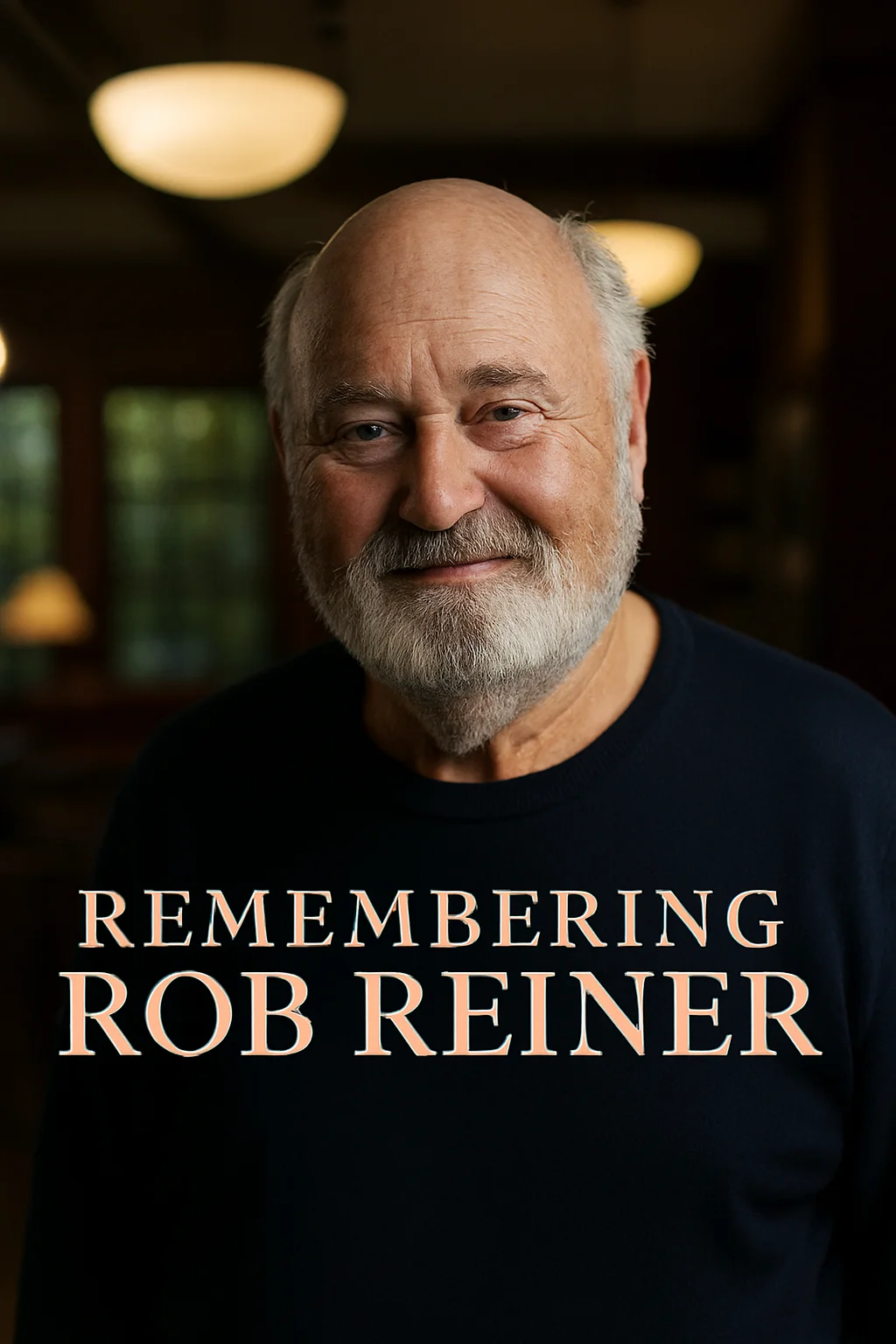
The death of filmmaker Rob Reiner at age 78 has prompted an outpouring of tributes across the entertainment world, as colleagues, actors, and cultural figures reflect on the legacy of a director whose work helped define modern American cinema. Reiner and his wife, Michele Singer Reiner, were found dead in their Los Angeles home, according to police statements released this week.
Reiner’s passing—under circumstances now the subject of an active homicide investigation—has sent shockwaves through Hollywood and beyond. Authorities confirmed that the couple’s son, Nick Reiner, has been taken into custody and “booked for murder,” though charges have not yet been formally filed. The Los Angeles Police Department has said the case remains open as detectives continue their inquiry.
Table of Contents
A Career That Spanned Generations
Rob Reiner’s influence on American storytelling is difficult to overstate. From the comedic brilliance of This Is Spinal Tap to the emotional resonance of Stand By Me, When Harry Met Sally, and A Few Good Men, Reiner’s films became cultural touchstones—quoted, revisited, and taught in film schools for decades.
His work blended humor with humanity, often exploring the fragile, complicated bonds between people. Reiner’s films were rarely just entertainment; they were emotional experiences that lingered.
Colleagues described him as a director with an uncanny ability to draw out vulnerability from actors while maintaining a light, collaborative set. “Rob had a way of making you feel safe enough to take risks,” one longtime collaborator said in a tribute posted shortly after news of his death broke.
A Loss Felt Across Hollywood
As news spread, tributes began flooding social platforms and industry circles. Actors who grew up watching his films shared memories of the first time they encountered The Princess Bride or Misery. Directors spoke of Reiner’s craftsmanship—his ability to move seamlessly between genres without losing his signature warmth.
Industry veterans noted that Reiner’s career bridged eras: from the golden age of network television, where he first gained fame on All in the Family, to the rise of prestige filmmaking in the 1980s and 1990s, and finally to the streaming era, where his classics found new audiences.
His death, many said, marks the end of a particular Hollywood lineage—one rooted in character-driven storytelling, emotional honesty, and a belief that films could be both deeply personal and universally resonant.
A Family Tragedy Under Public Scrutiny
The circumstances surrounding Reiner’s death have added a layer of heartbreak to the tributes. Police confirmed that both Reiner and his wife were found dead in their Brentwood home, and that their son Nick was arrested shortly thereafter. The case has drawn intense media attention, with officials urging the public to allow investigators space to complete their work.
Despite the grim backdrop, those who knew Reiner have focused their public statements on his life rather than the tragedy. “Rob Reiner changed the way America tells stories,” one filmmaker wrote. “His films helped us understand ourselves.”
A Legacy That Will Endure
Reiner’s influence will continue to ripple through Hollywood for generations. His films remain staples of American culture—quoted at weddings, referenced in political debates, and rediscovered by new audiences every year.
For many, the loss feels personal. Reiner’s work was woven into the fabric of everyday life: the comfort of a familiar line, the catharsis of a well-crafted scene, the joy of a story told with sincerity.
As Hollywood mourns, one truth is clear: Rob Reiner didn’t just make movies. He made memories.
Discover more from The Monitor
Subscribe to get the latest posts sent to your email.
Democracy
The Steel and Silk: Why Sanae Takaichi is the LDP’s Only True Challenger to the Status Quo
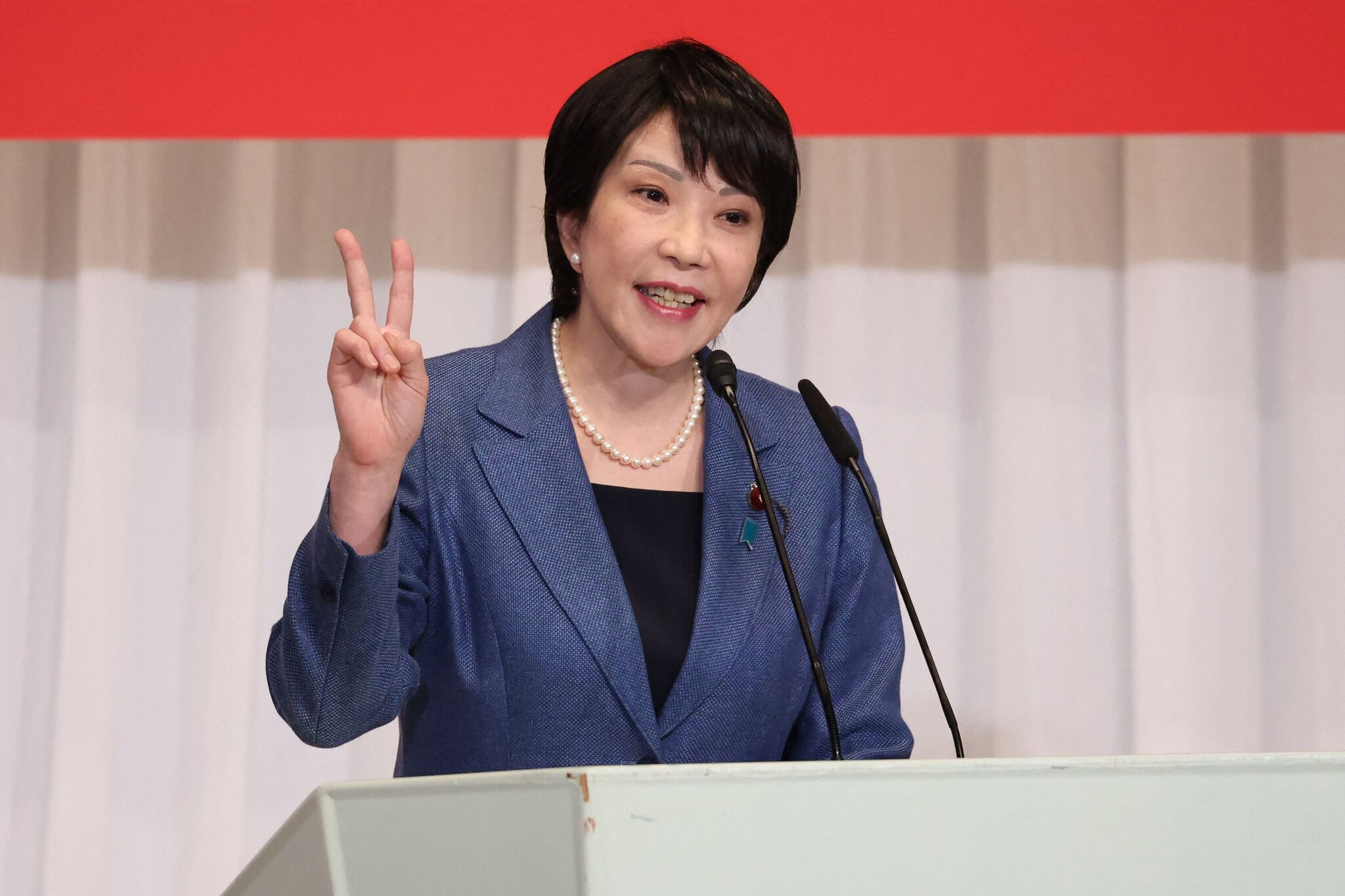
The election of Sanae Takaichi as Japan’s first female prime minister is often framed as a symbolic gender breakthrough. That is a distraction. The real story isn’t her gender; it is her unapologetic, hardline conservative ideology that marks her as the single greatest threat to the LDP’s decades-long pattern of cautious, incremental change. As a protégé of the late Shinzo Abe, Takaichi is not merely maintaining his legacy; she is positioned to accelerate it, using a political momentum that few outside the core conservative base truly appreciate.
Her rise signals a defiant pivot toward a deeply nationalistic, robustly defended, and economically secure Japan—a vision that, if fully executed, would fundamentally reshape domestic policy and regional diplomacy.
Table of Contents
The “Three Pillars” of Takaichi’s Policy: Assertion, Security, and Pragmatism
Unlike her more moderate predecessors, Sanae Takaichi operates from a platform built on three distinct, high-impact policy pillars that resonate powerfully with the party’s core conservative and nationalist wing.
1. The Revived “Sanae-nomics” and Economic Security
Takaichi is a staunch advocate for aggressive public spending and monetary easing, echoing Abe’s economic formula. But her unique addition is the heavy focus on economic security. Having served as the first Minister of Economic Security, she prioritises strengthening domestic supply chains (especially in semiconductors and critical minerals), protecting technology from foreign leakage, and establishing measures to counter techno-economic risks. This is not just about growth; it’s about national resilience. She sees government spending as a strategic tool for “crisis-management investment”, challenging the traditional conservative aversion to large debt.
2. Accelerated Defense and Constitutional Reform
The core of her political identity is an assertive defence posture. Sanae Takaichi has wasted no time in signaling an acceleration of plans to bring defence spending to 2% of GDP, far ahead of previous targets. This is paired with an intent to revise the three core security documents (National Security Strategy, etc.) and a desire to formally establish Japan’s Self-Defence Forces as a national military by revising the pacifist Article 9 of the Constitution. The departure of the restraining influence of the Komeito party from the coalition has cleared the path for a much more proactive foreign and security policy, aligning perfectly with the hawkish stance of the Japan Innovation Party (Ishin), her new coalition partner.
3. Cultural and Social Conservatism
On social matters, Takaichi maintains a firm traditionalist line. She has consistently opposed reforms such as allowing married couples to use separate surnames and is against same-sex marriage. She has also taken a hard-line stance on immigration, calling for tighter visa regulations and a crackdown on illegal migrants. While criticised by liberals, this position strongly appeals to conservative voters who felt abandoned by the LDP in recent elections, aligning with a global trend of cultural conservatism.
The Media Narrative vs. The Ground Truth
Internationally, Sanae Takaichi is often reduced to a simple caricature: a “China hawk” and a historical revisionist due to her regular visits to the controversial Yasukuni Shrine. While these facts are undeniable, they overshadow the ground truth of her political strength: she is the champion of the LDP’s rank-and-file general membership.
In the LDP leadership race, she consistently secured the most votes from party members around the country. This popularity is significant because it speaks to a deep yearning within the conservative base for a leader who is unreservedly patriotic and willing to push back against foreign and domestic pressures for change. Her victory wasn’t merely a factional deal; it was a powerful expression of the popular will within the conservative heart of the LDP. The party’s decision to rally behind her was, in part, a survival strategy to stem the flow of conservative voters to nascent right-wing parties like Sanseito.
What a “Takaichi Era” Means for Global Powers
The premiership of Sanae Takaichi immediately signals a new phase in Japan’s major diplomatic relationships, particularly with the United States.
Her ideology is arguably better aligned with a potential future US administration that favours nationalism and “America First” policies. Takaichi’s emphasis on a strong, independent Japanese military and her firm stance on economic security and China are seen as appealing to the more transactional, less interventionist wing of American politics. Her early overtures, including gestures of personal affinity and a commitment to strengthening critical mineral supply chains, underscore her pragmatic approach to maintaining the core Japan-US alliance while asserting Japan’s national interests.
However, her hardline approach on Taiwan—breaking with diplomatic tradition by stating a China attack on the island could result in a Japanese military response—has already drawn sharp rebukes from Beijing, leading to increased tensions in the East China Sea. Her tenure is set to redefine Japan’s role, shifting it from a quiet, pacifist partner to an assertive, autonomous actor on the world stage, prioritising national interest with a Margaret Thatcher-like fortitude.
Conclusion: The Defining Choice for Japan
Sanae Takaichi is not a figure who offers compromise. She offers conviction. Her success in leading a minority government will not be defined by legislative consensus but by her ability to generate public support for her bold, conservative vision. Her premiership will be a test of whether Japan’s public is truly ready to sacrifice post-war pacifist and economic norms for a newly assertive national identity.
Do you believe Sanae Takaichi is the future of the LDP, capable of navigating this complex political environment and securing a stable governing majority? Share your perspective on her policy direction.
Discover more from The Monitor
Subscribe to get the latest posts sent to your email.

Indonesia’s Danantara Shifts to Investment Phase, Targets 7% Returns — Sovereign Wealth Fund Enters Deployment Era Under Prabowo’s Ambitious Vision

AI is dressing up greed as progress on creative rights

Iran’s Tenacious Regime and the Future of the Gulf

Brent Crosses $100 as Indian Tanker Path Corrected Near Strait of Hormuz

Iran Vows to Keep Strait of Hormuz Closed: Mojtaba Khamenei’s First Statement Signals Escalation as Oil Surges Past $100

Pakistan’s 5G Era Begins: Pilot Projects Launch Next Week After Record $510 Million Spectrum Auction

The 400 Million Barrel Question: Can the IEA’s Historic Reserve Release Save the Global Economy from Iran’s Energy War?

Four Killed in Beirut Hotel Strike, Israel Says It Targeted Iranian Commanders

The Mirage of a New Middle East: War With Iran Won’t Reshape the Region the Way America Wants

Pakistan vs New Zealand T20 World Cup 2026 Super 8 Opener Abandoned: Rain Washes Out Colombo Clash, Both Teams Share One Point

Qatar warns Middle East war will force Gulf to stop energy exports within days

The Hormuz Crisis: How US-Iran War Is Reshaping Gulf Geopolitics and Global Energy Security
Four Killed in Beirut Hotel Strike, Israel Says It Targeted Iranian Commanders
Iran’s Tenacious Regime and the Future of the Gulf
Brent Crosses $100 as Indian Tanker Path Corrected Near Strait of Hormuz
Iran Vows to Keep Strait of Hormuz Closed: Mojtaba Khamenei’s First Statement Signals Escalation as Oil Surges Past $100
The 400 Million Barrel Question: Can the IEA’s Historic Reserve Release Save the Global Economy from Iran’s Energy War?
Indonesia’s Danantara Shifts to Investment Phase, Targets 7% Returns — Sovereign Wealth Fund Enters Deployment Era Under Prabowo’s Ambitious Vision
-

 Featured5 years ago
The Right-Wing Politics in United States & The Capitol Hill Mayhem
-

 News4 years ago
Prioritizing health & education most effective way to improve socio-economic status: President
-

 China5 years ago
Coronavirus Pandemic and Global Response
-

 Canada5 years ago
Socio-Economic Implications of Canadian Border Closure With U.S
-

 Democracy5 years ago
Missing You! SPSC
-

 Conflict5 years ago
Kashmir Lockdown, UNGA & Thereafter
-
Democracy5 years ago
President Dr Arif Alvi Confers Civil Awards on Independence Day
-

 Digital5 years ago
Pakistan Moves Closer to Train One Million Youth with Digital Skills