
Sports
Jayden Daniels Arm Injury: What Happened, Commanders’ Future, and Recovery Timeline

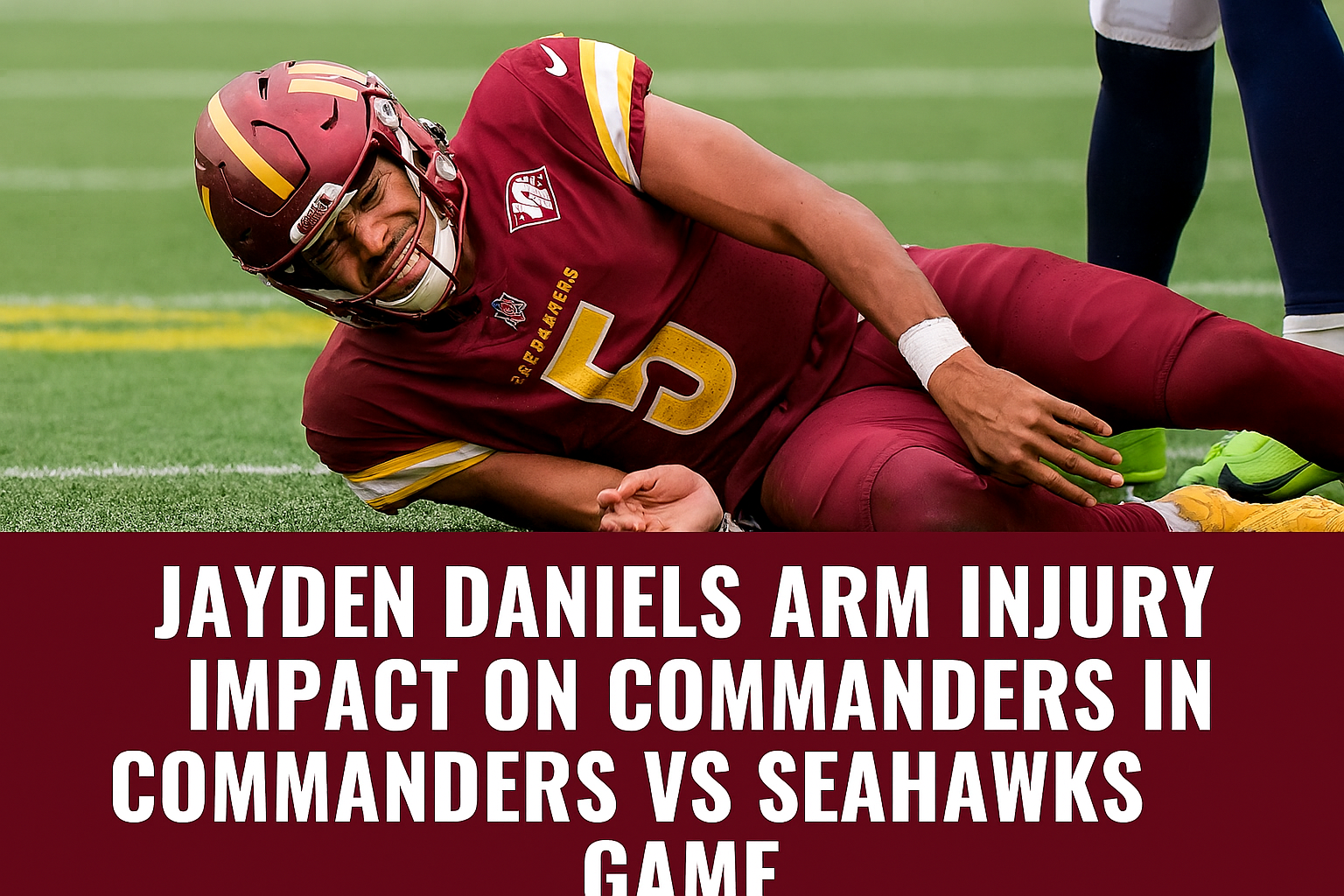
Washington Commanders quarterback Jayden Daniels suffered a devastating arm injury against the Seahawks on SNF. Here’s the latest injury update, stats, and what it means for the Commanders’ season.
The Washington Commanders’ season took a dramatic turn on Sunday Night Football when quarterback Jayden Daniels suffered a gruesome arm injury late in the fourth quarter of a blowout loss to the Seattle Seahawks. The jayden daniels injury video quickly went viral, showing the young QB’s left elbow bending awkwardly as he tried to brace his fall. Fans immediately asked: what happened to Jayden Daniels, and what does this mean for the Commanders’ season?
This article breaks down the jayden daniels arm injury, provides the latest jayden daniels injury update, analyses his stats, and explores how the Washington Commanders will move forward.
Table of Contents
What Happened to Jayden Daniels?
During the Commanders vs Seahawks game, Daniels pulled the ball on a read-option play and was tackled by Seattle linebacker Drake Thomas. As he went down, his left elbow bent in the wrong direction. Trainers rushed onto the field, immobilized his arm, and escorted him to the locker room.
The jayden daniels arm injury video circulated across social media, drawing comparisons to past QB injuries, including the infamous RG3 injury that derailed Washington’s hopes a decade ago.
Dan Quinn and Commanders’ Official Update
Head coach Dan Quinn confirmed postgame that Daniels suffered a left elbow injury. Critics immediately questioned why Daniels was still in the game with the Commanders trailing by 31 points. Quinn admitted in hindsight that the decision was questionable, but emphasized that Daniels is the “franchise quarterback” and was trying to finish strong.
Jayden Daniels Stats Before the Injury
Before the setback, jayden daniels stats showed promise despite a rocky sophomore season:
- 2025 Season (6 games): 1,184 passing yards, 8 TDs, 2 INTs, 62.5% completion rate
- Career Totals: 4,752 yards, 33 TDs, 11 INTs
Daniels’ dual-threat ability, highlighted by his rushing yards and mobility, made him the centerpiece of the Washington Commanders offense.
Impact on Commanders Depth Chart
With Daniels sidelined, the Commanders depth chart shifts dramatically:
- Starter: Marcus Mariota
- Backup: Josh Johnson
Mariota has already started three games this season, going 1–2. While experienced, he lacks Daniels’ explosiveness. This raises serious concerns about the Commanders QB injury situation and their playoff hopes.
Comparisons to RG3 and Washington’s QB History
The injury immediately sparked comparisons to RG3’s career-altering knee injury. Both Daniels and Griffin were electrifying young quarterbacks expected to carry the franchise. Fans fear history may be repeating itself, with Washington once again losing a star QB to injury.
Fan Reactions and Social Media Buzz
On social media, fans expressed frustration at Quinn’s decision to keep Daniels in the game. Many referenced the redskins era and past quarterback mismanagement. Others rallied behind Daniels, calling him the future of the Washington Commanders quarterback position.
Recovery Timeline: Dislocated Elbow in NFL
Medical experts suggest Daniels suffered a dislocated elbow, a common but serious injury. Recovery can range from 6–12 weeks, depending on ligament damage. Some cases require surgery, which could end his season. The dislocated elbow recovery time NFL varies, but optimism remains that Daniels could return late in the year.
Conclusion: What’s Next for Washington?
The jayden daniels injury status leaves the Washington Commanders in a precarious position. With a 3–6 record and a struggling offense, losing their star QB could derail the season. The commanders news cycle will now focus on whether Mariota can keep the team afloat until Daniels returns.
For fans, the hope is that this isn’t another RG3 nightmare, but rather a temporary setback for a quarterback who has already shown flashes of brilliance. The Commanders’ playoff hopes may be fading, but the long-term future still rests on the recovery of Jayden Daniels’ arm injury.
FAQs
Did Jayden Daniels break his arm?
No official confirmation of a break, but reports indicate a dislocated elbow rather than a full fracture.
What arm does Jayden Daniels throw with?
Daniels is right-handed, meaning the injury affects his non-throwing arm.
Is Jayden Daniels right or left handed?
He throws with his right hand.
Will Jayden Daniels play today?
No. Daniels is out indefinitely, and the Commanders backup QB Marcus Mariota will start.
Discover more from The Monitor
Subscribe to get the latest posts sent to your email.



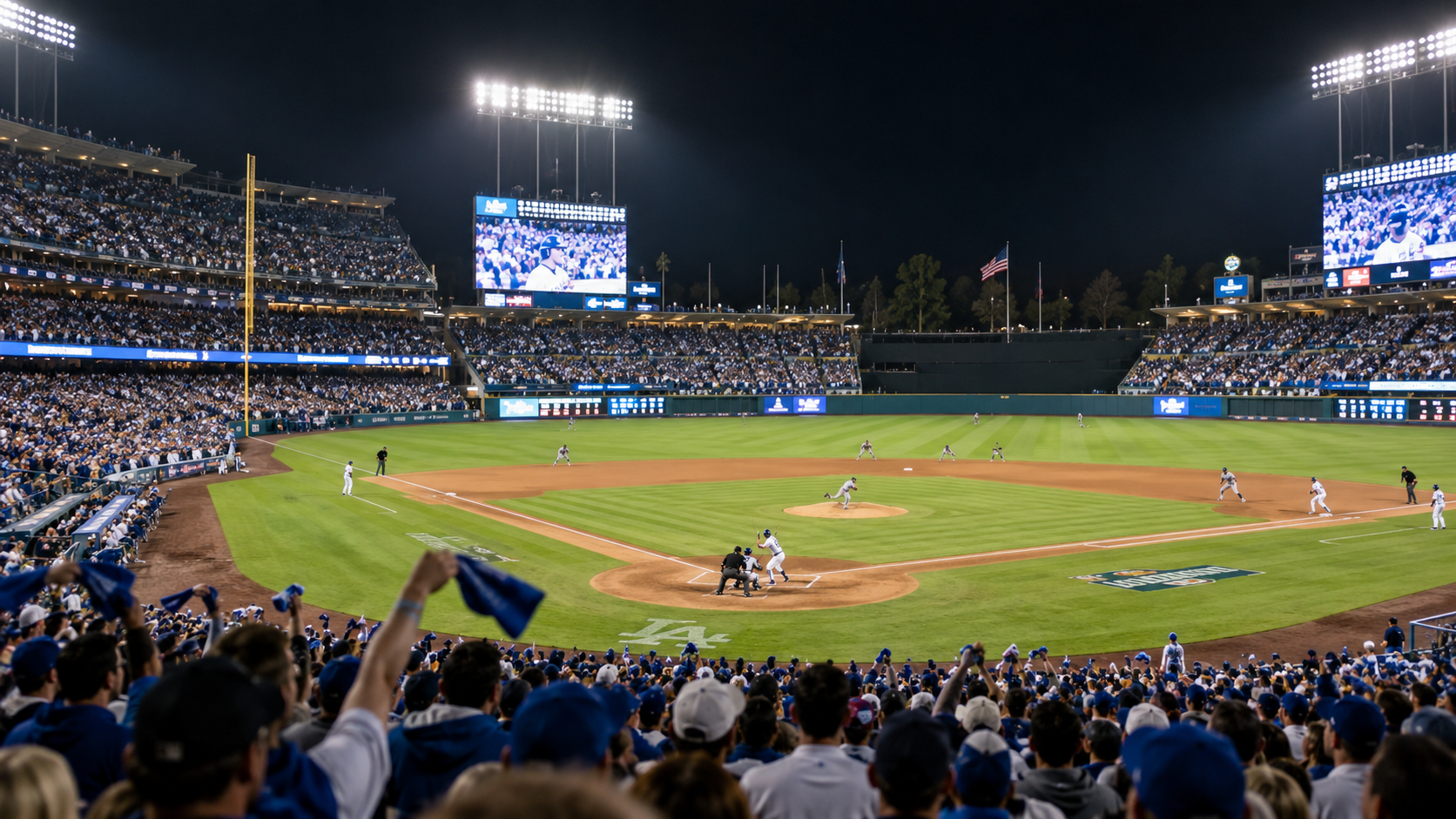
October is Major League Baseball’s postseason month, with the League Championship Series leading toward the World Series. MLB’s official October 9 update listed league championship broadcasting arrangements and said its complete postseason schedule was subject to change. That is the appropriate basis for a service article, rather than relying on viral bracket graphics. Sources: MLB and NBA.
The important context competitors can overlook
The playoff path moves through the Wild Card Series, Division Series, League Championship Series and World Series. Series lengths differ, affecting travel planning, pitching strategies and when a potential deciding game may occur. Weather, broadcast adjustments and series ending early can all change the actual date of a matchup. A guide should therefore distinguish tentative “if necessary” games from guaranteed events. For primary-source checks and current reporting, see MLB and NFL. The key distinction is practical broadcast and bracket explainer with no fictitious results.
October baseball moves through elimination series toward the World Series. Games marked ‘if necessary’ depend on earlier series results. Research cutoff: October 12, 2026; confirm developing facts before publication.
A practical way to use this information
Use MLB’s live bracket and broadcast information for tonight’s specific matchup, while this article provides the enduring format explanation. If publishing a result, record the completed date and source. Viewers should check the network, streaming eligibility and local restrictions before paying. Avoid declaring future participants or game outcomes without an official final score.
What to verify before making a decision
The right next step is to identify the source, timestamp and applicable market or jurisdiction. Check whether a number is a historical observation, official announcement, target, forecast or scenario. If you intend to act financially, legally or commercially, use the relevant provider’s current terms and obtain professional advice where appropriate. The sources cited here establish context; they are not a substitute for live prices, individual eligibility checks or binding agreements.
Reader questions
Where is the authoritative 2026 playoff schedule? MLB publishes and updates it at MLB.com/postseason.
Why are some dates marked if necessary? Best-of-series matchups end once a team wins the required number of games.
How the MLB postseason bracket works
Major League Baseball’s postseason includes division winners and wild-card teams, followed by a sequence of elimination series that eventually determines each league champion and the World Series participants. The rounds use different series lengths; that affects pitching strategy, bullpen workload and how quickly a team can be eliminated. A single-game result in a best-of-series contest is important but not always decisive. Readers should consult MLB’s official postseason hub for the bracket rather than rely on an old graphic that may not reflect completed games.
Home-field advantage, seeding and tiebreaking rules add context to the matchup schedule. Those details can vary by competition edition, so the official rules should be checked instead of recycled from a prior year. When a postseason series has not yet finished, the next opponent remains conditional. An article should say “winner of Series A will face…” rather than assign a future opponent before the result exists.
Why starting pitching changes a short series
Starting pitchers often shape the first half of a game, but playoff success requires bullpen management, defense, baserunning and timely hitting. A team may start its most experienced pitcher in the first game and then adjust the rotation based on rest, health and earlier results. Managers must also decide when to use their strongest relief pitchers. Those choices can matter more in a short series than in a long regular season where roles and workloads can be smoothed across many games.
Baseball statistics need sample-size discipline. A hitter’s performance over ten postseason plate appearances tells less about underlying ability than a much longer period of play. Analysts can compare strikeout rates, on-base production and matchup tendencies while avoiding exaggerated claims drawn from one home run or one defensive error. Recent injuries and announced starting lineups can change the outlook quickly.
Broadcast rights and local time differences
A game carried by a U.S. broadcaster may require a different provider for an international audience. Some streaming services include blackout restrictions and authenticated subscriptions. Before directing readers to a platform, check the league’s official listing for the game, region and date. A schedule can shift because of series outcomes or weather; do not assume every potential Game 6 or Game 7 will occur. Conditional games should be clearly labeled so viewers do not subscribe or travel based on a nonexistent fixture.
Fans outside North America should verify dates carefully. A game beginning late at night in U.S. Eastern Time can appear on the following morning in Pakistan or elsewhere. A credible global article uses time-zone labeling and, where practical, provides local conversions while directing readers to official confirmations.
Planning a trip to a postseason game
Buy tickets through the team’s verified ticket office or a recognized authorized resale route. Read what happens to a ticket for an “if necessary” game that is never played. Lodging and transportation may be nonrefundable even when the ticket itself is refunded under a particular policy. Stadium entry rules, bag restrictions and transport can vary by venue. Travel budgets should include potential schedule shifts, especially when the identity of the next opponent is not yet known.
Reseller offers that look dramatically cheaper than the going rate can be fraudulent. Confirm seat location, transfer method and the platform’s buyer-protection terms. Never assume an image of a barcode sent by a stranger proves a usable ticket. The simplest defense is to purchase through verified channels and retain the order record.
A bracket-tracking method that stays accurate
For each series, maintain the teams, seeds, current games-won tally, next confirmed game time, probable or announced starters, broadcaster and a direct MLB link. Update each row only after official results. Distinguish “clinched” from “leads series.” If a matchup concludes earlier than its maximum length, remove unused dates or mark them canceled; otherwise a static editorial calendar can appear inaccurate within hours.
The purpose of a postseason guide is not to predict every winner. It is to make a fast-moving bracket understandable and give fans reliable answers on what happens next, where to watch and which details remain uncertain.
Baseball postseason questions answered
Does every potential game on a postseason schedule occur?
No. A best-of-seven series ends when one team reaches four wins. Games listed as “if necessary” do not take place if the series has already been decided. Ticket buyers and travelers should understand refund or cancellation policies associated with those conditional dates before arranging flights and hotels.
Why do playoff teams use pitchers differently?
A shorter series changes the cost of saving an elite relief pitcher or spacing starting assignments. Managers may make aggressive substitutions to protect a narrow lead, while maintaining enough arms for a possible next game. Such choices can look different from regular-season strategy, when teams plan around a longer schedule and broader workload management.
Can a postseason match move after its first announcement?
Yes. Broadcast planning, prior series results and circumstances such as weather can affect schedules. MLB’s official game page and league notices should be checked shortly before travel or viewing. An editorial table that fails to update conditional games can easily mislead readers as the bracket advances.
Discover more from The Monitor
Subscribe to get the latest posts sent to your email.
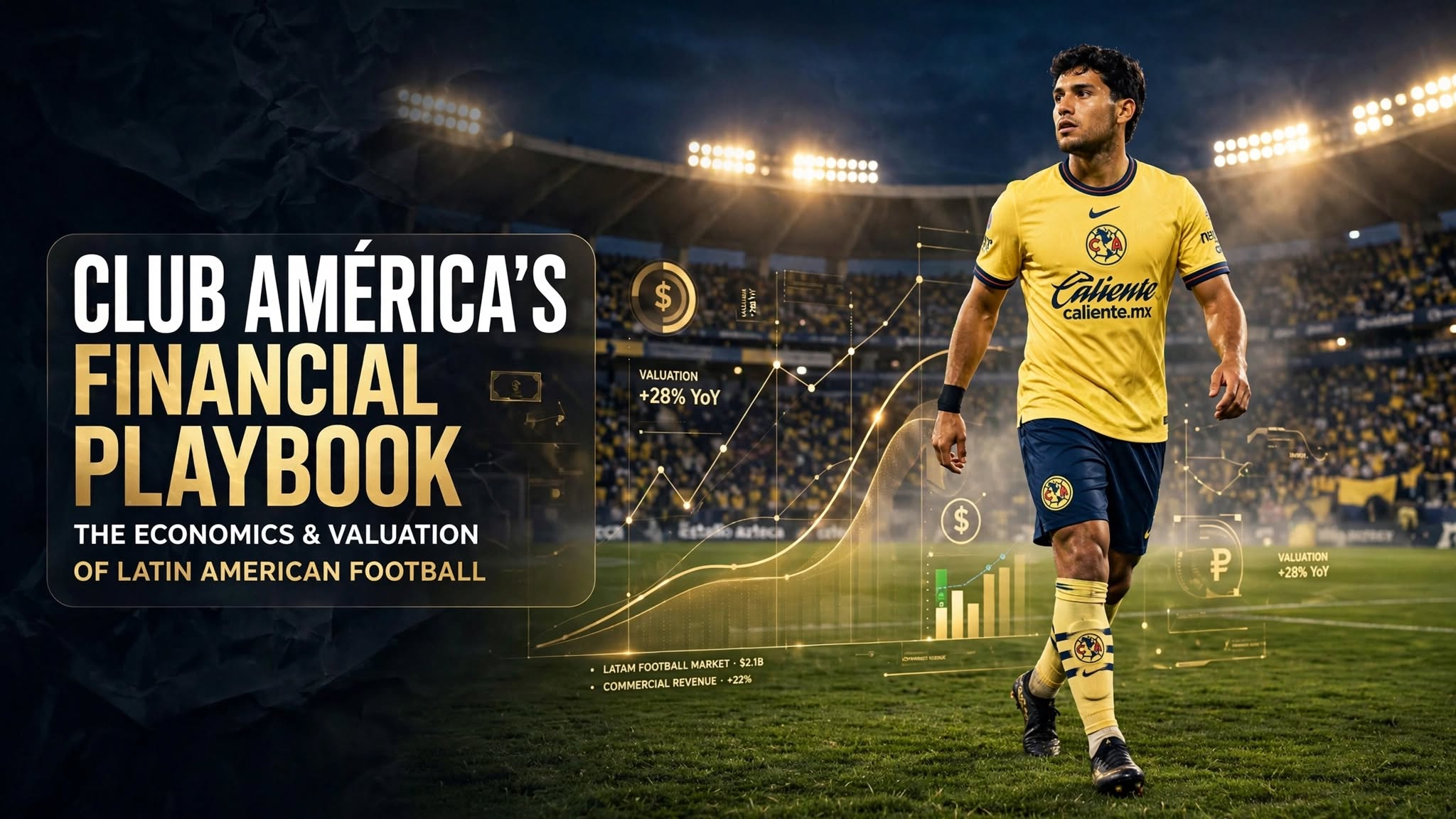
While most World Cup coverage focuses on stadiums and squads, the more consequential story in Mexican football has been playing out in enterprise-value deal structures. In late 2025, American investors closed a $490 million enterprise-value transaction for stakes in Club América and Mexico City’s iconic Azteca Stadium — a deal that, alongside a broader wave of U.S. capital entering Liga MX, reveals exactly how Latin American football is being financially re-architected just months before Mexico co-hosts the 2026 FIFA World Cup.
The Deal: Grupo Águilas and the $490 Million Structure
The transaction, announced in a joint statement to the Bolsa Mexicana de Valores (Mexico’s stock exchange), created a new holding entity called Grupo Águilas to own both Águilas del América and the 88,000-seat Estadio Azteca (rebranded Banorte Stadium), along with adjacent land, according to City A.M.’s reporting. The ownership structure splits 51% to Ollamani Group — controlled by former media tycoon Emilio Azcárraga Jean, who becomes Grupo Águilas’ executive president — and 49% to General Atlantic, the U.S. growth equity firm.
The deal’s most distinctive feature is its data and analytics component: Grupo Águilas engaged Kraft Analytics Group, a firm controlled by the owners of the NFL’s New England Patriots, specifically to support fan engagement and data analytics for the new entity, according to City A.M. — an explicit transfer of NFL-style commercial infrastructure into Mexican football operations.
Club América/Azteca deal structure:
| Element | Detail |
|---|---|
| Total enterprise value | $490 million |
| New holding entity | Grupo Águilas |
| Ollamani Group stake | 51% (Emilio Azcárraga Jean, executive president) |
| General Atlantic stake | 49% |
| Assets included | Águilas del América + Estadio Azteca (88,000 capacity) + adjacent land |
| Analytics partner | Kraft Analytics Group (New England Patriots ownership) |
| Club América standalone valuation | ~$770 million |
Why América Specifically: The Numbers Behind the Richest Club in Mexico
Club América’s standalone valuation of roughly $770 million, a figure that rivals mid-tier European clubs, makes it the most valuable soccer team in Mexico by a wide margin, according to reporting on the broader Liga MX investment wave. That scale advantage matters directly to the deal economics: América’s market value alone justifies a substantial share of the $490 million enterprise price even before accounting for the Azteca Stadium asset itself, one of the most recognizable sports venues in the world and a confirmed host site for the 2026 World Cup.
The Broader Pattern: American Capital’s Liga MX Land Grab
The Club América deal is the highest-profile example of a much wider trend. According to Front Office Sports, Querétaro became Liga MX’s first club with majority U.S. ownership when it was purchased by an American capital group for just over $120 million — a price point specifically attractive to investors because, as Querétaro investor Spiegel told FOS, “a lot of the leagues in Europe are more mature… you can’t expect that you will be able to increase revenue quickly by 30% to 50%,” whereas Mexican clubs remain underpriced relative to their audience scale.
Recent U.S.-linked Liga MX investment activity:
| Club | Investor Type | Deal Notes |
|---|---|---|
| Club América / Azteca Stadium | Growth equity + media (General Atlantic, Ollamani) | $490M enterprise value |
| Querétaro | American capital group | ~$120M; first majority US-owned Liga MX club |
| Necaxa | Celebrity investor group | Half-stake; modeled on Wrexham |
| Atlético San Luis | Buyout firm (via Atlético Madrid parent deal) | Acquired as part of broader Atlético Madrid transaction |
Why Liga MX, and Why Now
Three structural factors explain the timing of this capital influx. First, viewership: Liga MX is already one of the two most-watched soccer leagues in the United States alongside the English Premier League, with matches routinely drawing hundreds of thousands more viewers than MLS games and audiences that can swell into the millions for marquee fixtures, according to Front Office Sports. An Interticket study found the average Liga MX TV audience for a 2026 Clausura regular-season game reached 687,000 — comfortably ahead of NBC’s reported average Premier League audience of 510,000 in the same period, per ESPN’s reporting.
Second, the 2026 FIFA World Cup itself. Mexico is hosting 13 of the tournament’s 104 games across stadiums in Mexico City, Monterrey, and Guadalajara — the country’s first time on football’s biggest stage in 40 years — and figures within Mexican football believe the tournament will meaningfully raise the sport’s global commercial profile, according to Front Office Sports.
Third, structural governance reform. Liga MX is bound by a Court of Arbitration for Sport ruling requiring the return of promotion and relegation beginning with the 2026-27 season, according to ESPN. Sources told ESPN that outright relegation is unlikely to return in its traditional form; instead, the league is expected to expand the first division by promoting two teams from the second-tier Liga de Expansión and then permanently eliminate relegation going forward — a structure that would functionally mirror the closed, relegation-free model American investors are already familiar with from MLS, reducing downside risk for exactly the kind of capital now entering the league.
The Revenue Model Gap: Fragmented Rights, Unrealized Upside
Despite Liga MX’s viewership strength, its commercial infrastructure remains notably underdeveloped relative to its audience. TelevisaUnivision, which holds the bulk of U.S. broadcast rights, markets Liga MX as “the most-watched club soccer league in the country, regardless of language” — yet there is no single league-wide broadcast partner, with individual clubs instead negotiating separate rights deals, creating what ESPN describes as “a fragmented landscape for viewers.” Grupo Orlegi’s Alejandro Irarragorri told Front Office Sports that centralizing those rights would let Liga MX sell overseas coverage collectively rather than club-by-club — currently near-impossible outside the U.S. because no single club carries enough international fan base to interest overseas broadcasters on its own. The English Premier League’s 2022 milestone of earning more from overseas rights than domestic ones is the explicit long-term comparison being drawn.
Final Verdict
Club América’s $490 million enterprise-value transaction is best read as the clearest evidence yet that American investors view Mexican football the way private equity viewed European mid-tier clubs a decade ago: a market with Premier League-caliber viewership numbers, World Cup-driven momentum, and valuations that remain a fraction of comparable European assets. The addition of NFL-grade analytics infrastructure via Kraft Analytics Group, alongside the league’s looming governance shift toward a closed, relegation-light structure, signals that this is a bet on operational Americanization of Liga MX’s business model, not just a passive financial stake. The unresolved variable is media-rights centralization — until Liga MX clubs coordinate broadcast rights the way the Premier League does, the league’s valuation upside relative to its audience size will likely remain only partially realized, which is precisely the inefficiency the current wave of American capital appears to be betting it can help fix.
Discover more from The Monitor
Subscribe to get the latest posts sent to your email.
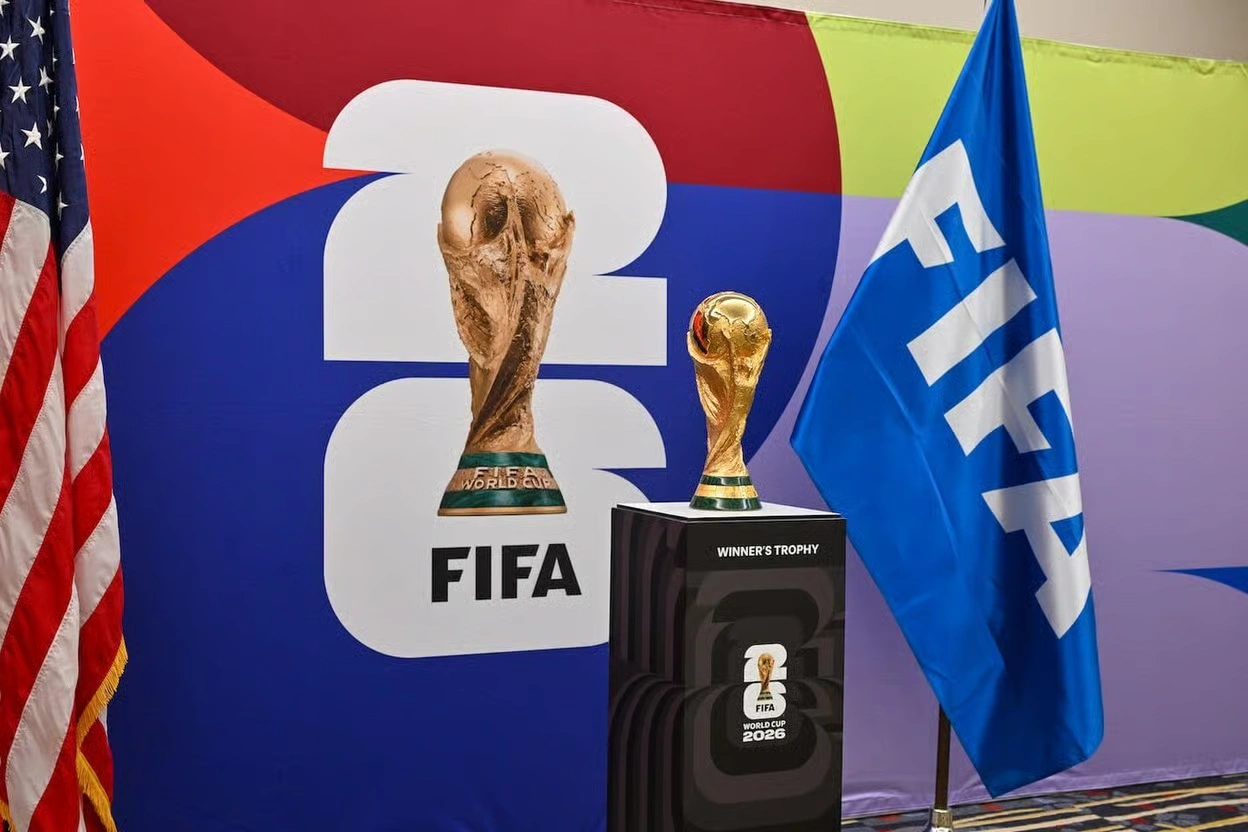
MEXICO CITY and NEW YORK — The grandest experiment in modern sports history has officially begun.
With a vibrant explosion of color, sound, and historic resonance at the Estadio Azteca on Thursday, June 11, the 2026 FIFA World Cup kicked off, anchoring a month-long, continent-spanning spectacle. For the first time, three nations—the United States, Mexico, and Canada—are co-hosting an expanded 48-team tournament, transforming North America into a temporary geopolitical and commercial epicenter of the sporting world.
As the pageantry of the opening match in Mexico City gives way to the grueling reality of the group stage, attention shifts directly north. Today, the United States Men’s National Team (USMNT) makes its highly anticipated debut on home soil, igniting a wave of digital and cultural frenzy that underscores the immense financial and social stakes of this tournament.
A Continental Business Model: The Economic Scale of 2026
From a macroeconomic perspective, the 2026 tournament represents a structural shift for FIFA and its corporate partners. Operating across three distinct currencies, regulatory frameworks, and broadcasting markets, the event is projected to generate record-breaking revenues exceeding $11 billion.
Wall Street and Silicon Valley have deeply integrated into the tournament’s infrastructure. Silicon Valley tech firms have optimized broadcasting logistics, while digital engagement has already shattered previous metrics. Within hours of the opening whistle in Mexico City, the World Cup became the most talked-about event on global social media platforms, driven by a highly coordinated push from sponsors aiming at a younger, digitally native demographic.
“We are looking at an unprecedented convergence of sports, entertainment, and regional trade,” says Marissa Vance, a senior sports equity analyst at New York-based firm Vanguard Sports Group. “The 2026 tournament isn’t just a sports event; it is a live-tested economic integration of the USMCA bloc, broadcast to four billion people.”
High Stakes on Home Soil: The USMNT Takes the Pitch
For the United States, today’s opening match is more than a sporting contest—it is a critical test of a decade-long investment in soccer infrastructure and player development. Entering the tournament with a roster largely comprised of stars playing in Europe’s top-flight leagues, expectations for the American squad have never been higher.
The cultural footprint of today’s match is visible from coast to coast:
- Public Viewings: Major American metropolitan areas have converted public parks and stadiums into massive fan zones.
- Social Velocity: Tech platforms report that algorithmic traffic surrounding the USMNT has eclipsed traditional summer sports benchmarks, drawing attention from casual viewers and die-hard fans alike.
- Corporate Sponsorship: Domestic brands have invested unprecedented capital into targeted advertising campaigns, viewing this tournament as a prime opportunity to permanently capture the shifting tastes of American sports consumers.
Changing the Guard: Soccer Eclipses Hockey in Canada
While the U.S. chases competitive validation on the pitch, Canada is experiencing a profound cultural evolution off it. Long defined by the ice rink, the country’s sporting identity has quietly but fundamentally rewritten itself over the past decade.
In Canada, soccer has officially surpassed ice hockey and all other sports in youth participation.
Youth Sports Participation Trends in Canada (Ages 5-18)
======================================================
1. Soccer              ███████████████████ (Highest Growth)
2. Ice Hockey          ███████████████     (Stagnant/Declining)
3. Basketball          ████████████       (Steady Growth)
This demographic pivot is driven by several intersecting factors:
- Accessibility and Affordability: The low barrier to entry for soccer stands in sharp contrast to the soaring costs of ice hockey equipment and rink fees.
- Urbanization and Immigration: Canada’s major urban centers—Toronto, Vancouver, and Montreal—have absorbed a diverse influx of international communities where soccer is the native sporting language.
- The Hero Effect: The rise of world-class Canadian talent on both the men’s and women’s global stages has provided tangible inspiration for a new generation of players.
This shifting ground underscores the tournament’s broader cultural reach. As the matches unfold across 16 host cities over the coming weeks, the 2026 World Cup will do more than crown a global champion—it is poised to permanently alter the cultural, commercial, and athletic fabric of North America.
Discover more from The Monitor
Subscribe to get the latest posts sent to your email.

MLB Playoffs 2026: Postseason Format, Broadcast Guide and How to Track the Bracket

Elon Musk Calls Mukesh Ambani the “Real Boss of India” Over Alleged Monopoly Concerns

Legal Pioneer and Defender of Justice: The Life, Works, and Legacy of Navi Pillay

Inside the Modern Republican Party Platform: Tax Policy, Immigration, and Governance

Anne Carson: Genius of Hybrid Forms and 2026 Nobel Laureate in Literature

Analyzing the Republican Voter Enthusiasm Gap: Turnout Metrics and Polling Data

The West Wing Legacy: Why the Political Drama Is More Relevant Than Ever

Remembering Kianna Underwood: The Nickelodeon Actress Behind “All That” and “Little Bill”

Min Ah: The Global Impact and Rising Popularity of the K-Drama Star

Pakistan Warns UN Security Council of AI Risks to Global Peace and Equality

Bloodhound Q50: Remembering the Tragic Loss of Chicago’s Rising Drill Star

Remembering Eliana Moreno: The Legacy of NBC LA’s “Eli in the Heli”

Horror Box Office Economics: ROI, Market Share and the 2026

iOS 27 Release Date & Siri AI: The Ultimate Tech News Guide for iPhone 18 Users
Min Ah: The Global Impact and Rising Popularity of the K-Drama Star

Fortress Diplomacy: How China’s Secretive Hongqi N701 Matches America’s Legendary “Beast”

Rep. Thomas Massie’s Impeachment Push Against Pete Hegseth, Explained
Remembering Kianna Underwood: The Nickelodeon Actress Behind “All That” and “Little Bill”
-

 Featured5 years ago
The Right-Wing Politics in United States & The Capitol Hill Mayhem
-

 News5 years ago
Prioritizing health & education most effective way to improve socio-economic status: President
-

 China5 years ago
Coronavirus Pandemic and Global Response
-

 Canada5 years ago
Socio-Economic Implications of Canadian Border Closure With U.S
-

 Democracy5 years ago
Missing You! SPSC
-

 Conflict5 years ago
Kashmir Lockdown, UNGA & Thereafter
-
Democracy5 years ago
President Dr Arif Alvi Confers Civil Awards on Independence Day
-

 Digital6 years ago
Pakistan Moves Closer to Train One Million Youth with Digital Skills