
Entertainment
The Big Screen Beckons: A Look at the 10 Biggest English-Language Films of 2024


The year 2024 promises to be a banner year for cinema, boasting a diverse and exciting lineup of English-language films. From highly-anticipated sequels to captivating original stories, there’s something for every film enthusiast to look forward to. Let’s dive into the 10 biggest English-language movies set to grace the silver screen in 2024:
1. Venom 3:

The symbiote saga continues with Tom Hardy returning as Eddie Brock in Venom 3. Directed by the acclaimed Andy Serkis, the film will undoubtedly push the boundaries of visual effects and action sequences. While details remain scarce, fans can expect an even more thrilling and unpredictable journey as Venom faces new challenges and grapples with his own inner demons.
2. Gladiator 2

Ridley Scott’s epic historical drama returns after nearly two decades with Gladiator 2. Paul Mescal steps into the iconic sandals of Maximus Decimus Meridius, taking the reins of the story in a new chapter set years after the original film’s events. With Scott’s masterful direction and a promising cast, Gladiator 2 is poised to rekindle the epic grandeur and emotional resonance that captivated audiences worldwide.
3. Wicked Part 1

Prepare to be swept away by the magic of Broadway as Wicked, the beloved musical, gets the big-screen treatment. Directed by Jon M. Chu and starring Ariana Grande as Glinda and Cynthia Erivo as Elphaba, this first instalment promises to bring the fantastical world of Oz to life with dazzling visuals and unforgettable musical performances. Wicked Part 1 is sure to be a highlight of the holiday season, enchanting audiences young and old with its timeless themes of friendship, courage, and acceptance.
4. The Lord of the Rings: The War of the Rohirrim

Embark on a breathtaking animated adventure set in the legendary world of J.R.R. Tolkien with The Lord of the Rings: The War of the Rohirrim. Directed by Kenji Kamiyama and Joseph Chou, the film delves into the history of the Rohirrim, the noble horse-lords of Rohan, and their epic struggle against the forces of darkness. With stunning animation and a powerful story, this film promises to be a captivating addition to the Tolkien cinematic universe.
5. Mufasa: The Lion King

Relive the majesty of The Lion King through a captivating prequel, Mufasa: The Lion King. Directed by the talented Barry Jenkins, the film explores the early life of the iconic king, Mufasa, and his journey to becoming the wise and courageous leader we know and love. Mufasa: The Lion King promises to be a visually stunning and emotionally resonant story, celebrating the themes of family, responsibility, and the circle of life.
Beyond the Big Five:
While these five films are sure to be major box office draws, the year holds many other exciting titles in store. Here are five more noteworthy English-language films to look forward to in 2024:
6. Spider-Man: Beyond the Spider-Verse

The critically acclaimed animated superhero film returns with Spider-Man: Beyond the Spider-Verse. Directed by Joaquim Dos Santos, Kemp Powers, and Justin K. Thompson, the sequel promises to be an even more dazzling and dimension-hopping adventure, exploring the vast multiverse of Spider-Man and showcasing the talents of a diverse cast of web-slingers.
7. Joker: Folie à Deux

Joaquin Phoenix returns as the iconic villain in Joker: Folie à Deux, directed by Todd Phillips. This sequel promises to delve deeper into the twisted psyche of the Joker, exploring themes of mental illness, societal corruption, and the thin line between sanity and madness. With Lady Gaga joining the cast, the film is sure to be a captivating and unpredictable cinematic experience.
8. Deadpool 3

The Merc with a Mouth returns for more outrageous and hilarious adventures in Deadpool 3. Directed by Shawn Levy and starring Ryan Reynolds, Hugh Jackman, and Emma Corrin, the film promises to be a non-stop barrage of action, comedy, and fourth-wall-breaking shenanigans. Deadpool 3 is sure to entertain fans of the franchise and newcomers alike with its irreverent humour and over-the-top action sequences.
9. Kung Fu Panda 4

Po the Panda returns for another round of kung fu action in Kung Fu Panda 4. Directed by Joel Crawford, the film promises to be a heartwarming and hilarious adventure as Po embarks on a new quest with his friends the Furious Five. Kung Fu Panda 4 is sure to be a fun-filled family film that will delight audiences of all ages.
10. Furiosa: A Mad Max Saga

Charlize Theron returns to the post-apocalyptic wasteland as the iconic Furiosa in this prequel to Mad Max: Fury Road
A Look Ahead: Additional Films to Mark Your Calendar for in 2024
Despicable Me 4: Gru and his Minions return for another hilarious adventure in Despicable Me 4. Directed by Chris Renaud and Patrick Delage, the film promises to be a fun-filled ride for the whole family. With new characters and even more outrageous antics, Despicable Me 4 is sure to be a box office hit.
Ghostbusters: Frozen Empire: The Ghostbusters are back in action in Ghostbusters: Frozen Empire. Directed by Jason Reitman and starring Carrie Coon, Finn Wolfhard, Mckenna Grace, and Paul Rudd, the film promises to be a thrilling and comedic adventure as the team faces a new threat of spectral proportions.
Godzilla x Kong: The New Empire: The epic clash of titans continues in Godzilla x Kong: The New Empire. Directed by Adam Wingard, the film promises to be an even bigger and more spectacular battle between the two iconic monsters. With the fate of the world hanging in the balance, Godzilla x Kong: The New Empire is sure to be a thrilling and visually stunning spectacle.
Argylle: Get ready for an adrenaline-pumping action thriller with Argylle. Directed by Matthew Vaughn and starring Henry Cavill, Bryce Dallas Howard, John Cena, Samuel L. Jackson, and Dua Lipa, the film promises to be a high-octane adventure filled with international espionage, assassins, and globe-trotting intrigue. Argylle is sure to be a thrilling and stylish entry into the action genre.
Madame Web: Enter the world of superheroes with Madame Web. Directed by S.J. Clarkson and starring Dakota Johnson, the film promises to be a unique and intriguing entry into the ever-expanding Marvel Cinematic Universe. Madame Web will explore the complexities of the multiverse and the hidden forces that shape our reality.
Dune: Part Two: The epic saga continues in Dune: Part Two. Directed by Denis Villeneuve and starring Timothée Chalamet, Rebecca Ferguson, Zendaya, Javier Bardem, and Josh Brolin, the film promises to be an even more visually stunning and emotionally resonant journey into the vast desert world of Arrakis. Dune: Part Two will undoubtedly be one of the most anticipated films of the year.
Mickey 17: Prepare to be transported to a thought-provoking and mind-bending sci-fi adventure with Mickey 17. Directed by Bong Joon-ho and starring Robert Pattinson, the film promises to be an exploration of human identity, mortality, and the nature of consciousness. Mickey 17 is sure to be a visually stunning and intellectually stimulating film that will leave audiences thinking long after the credits roll.
Additional Notable Releases:
While the ten films mentioned above are sure to be major highlights of the year, there are many other promising English-language releases to keep an eye out for in 2024. These include:
- A Haunting in Venice: Kenneth Branagh returns to the world of Agatha Christie with this murder mystery set in the picturesque city of Venice.
- Barbie: Margot Robbie stars as the iconic doll in this live-action comedy.
- Asteroid City: Wes Anderson delivers another quirky and heartwarming ensemble comedy.
- Killers of the Flower Moon: Martin Scorsese directs Leonardo DiCaprio and Robert De Niro in this historical crime drama.
- The Ballad of Buster Scruggs 2: The Coen brothers return to the world of their acclaimed western anthology series.
A Year of Cinematic Riches:
With such a diverse and exciting lineup of films, 2024 promises to be a year filled with cinematic delights. Whether you’re a fan of superheroes, action-packed adventures, animated comedies, or thought-provoking dramas, there’s something for everyone to enjoy. So mark your calendars, get your popcorn ready, and prepare for a year of unforgettable moviegoing experiences.
Discover more from The Monitor
Subscribe to get the latest posts sent to your email.



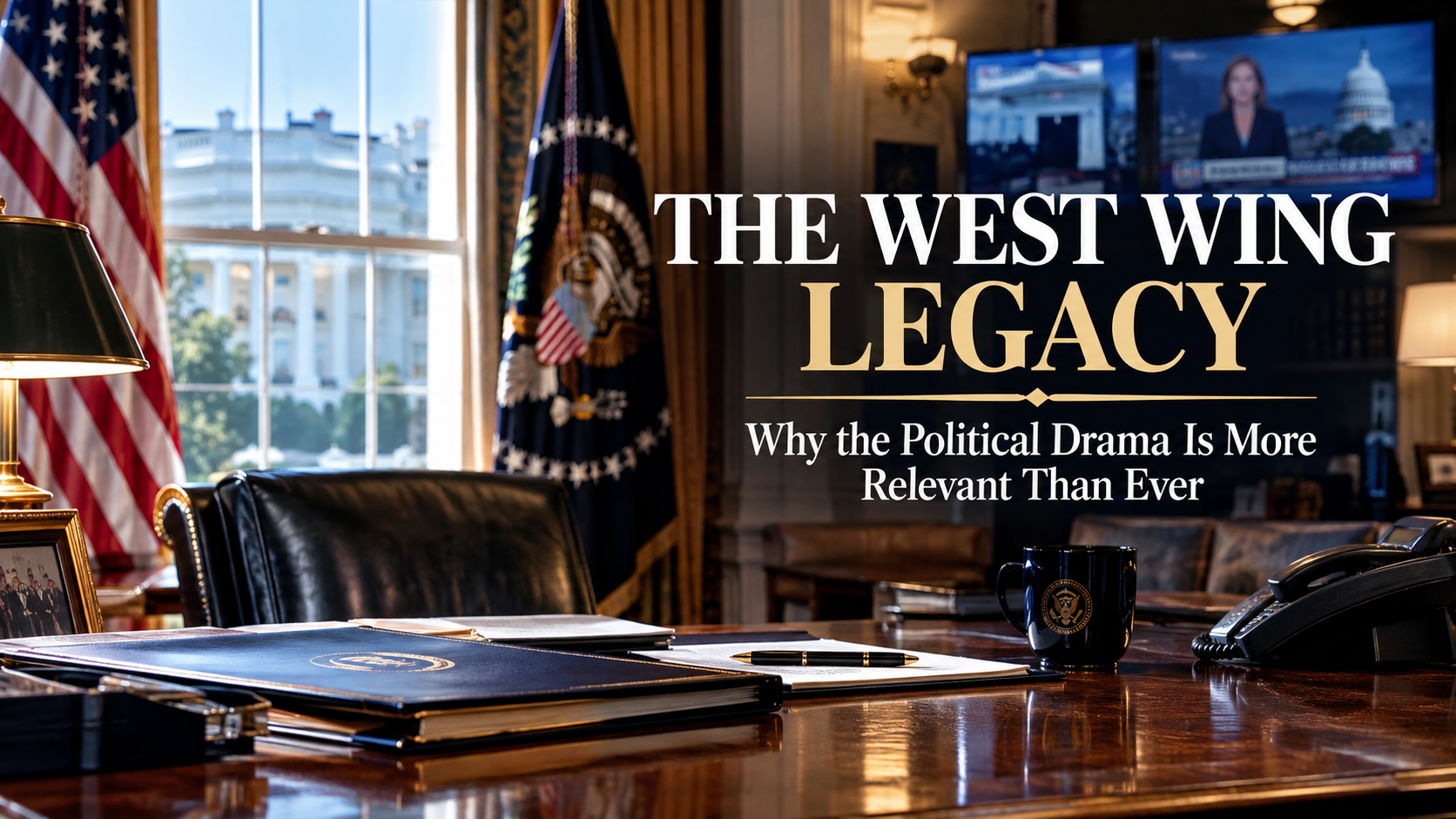
Twenty-seven years after its premiere, The West Wing is still being rewatched, argued over, and quoted, which is a good sign that it was about more than any single administration.
Key Takeaways
- Awards: the series earned 96 Emmy nominations across seven seasons and won 26, including four consecutive Best Drama Series awards beginning in 2000 (Gold Derby).
- Length: it ran 154 episodes from 1999 to 2006 (Denver Gazette).
- Streaming staying power: since arriving on Max in 2020, it had clocked 212 million viewing hours by 2024, according to Nielsen data cited by IndieWire via IMDb.
- Revival? Creator Aaron Sorkin has said he is reluctant to revisit the show, for fear it will not live up to his memories of making it (IndieWire via IMDb). No revival has been confirmed.
| Fact | Detail |
|---|---|
| Premiere | September 22, 1999 (NBC) |
| Run | Seven seasons, 154 episodes |
| Emmys | 26 wins, 96 nominations |
| Best Drama Series wins | Four straight, 2000–2003 |
| Core cast | Martin Sheen, John Spencer, Bradley Whitford, Richard Schiff, Allison Janney, Rob Lowe |
What Made It Different
The West Wing followed the fictional administration of President Josiah “Jed” Bartlet, a Democrat from New Hampshire, and his senior staff (Blogcritics). Its signatures were:
- The walk-and-talk. Characters delivered dense dialogue while moving through corridors, a style associated with Sorkin and director Thomas Schlamme.
- Competence as drama. Policy and process were treated as exciting.
- Ensemble storytelling. Gold Derby’s retrospective notes that Sorkin won six Emmys for the show and Schlamme six more, with Allison Janney winning four (Gold Derby).
Sorkin and the cast describe being surprised by early success as a freshman show competing with The Sopranos (Gold Derby).
Why It Still Resonates
1. The institutions still feel familiar
Debates over staffing, press briefings, legislation, and crisis management have not gone out of style. At C2E2 2026, actor Dulé Hill said the show does not seem archaic today, adding that so many issues remain current (Popverse).
2. It offers a comfort-watch version of governance
The Royal Television Society called it idealistic, rose-tinted comfort viewing, “fantasy wish-fulfilment” about public service (RTS). That quality is both its appeal and its most common criticism.
3. It is endlessly rewatchable
The show was the last network drama to run seven seasons without an obvious decline, one critic argued, even as another noted that later seasons feel different after Sorkin’s departure (Denver Gazette).
The Critical Re-evaluation
The West Wing is not immune to second looks. Commentators, especially on the right, have reassessed it as a “technocratic fairy tale” in which progressive values win through sheer virtue (Denver Gazette). Supporters respond that it dramatized serious disagreement and moral trade-offs, and fans of every political stripe still find things to love.
The fairest summary: it is a show about what governing could look like when people argue in good faith, and that premise gets tested differently in each political era.
| Case for relevance | Case for caution |
|---|---|
| Timeless themes of duty, compromise, and leadership | Idealized portrayal of government |
| Sharp writing and acting still hold up | Reflects Clinton-era assumptions |
| Remains highly watched on streaming | Some storylines feel dated |
The Revival Question
Fans have asked about a revival for years. In a 2024 interview, Sorkin said he is wary of going back to the show (IndieWire via IMDb). In 2026 his attention is on a film sequel to The Social Network, The Social Reckoning, set for an October 9 release (Popverse).
If you want new West Wing-style storytelling today, the closest thing is rewatching the original with fresh eyes.
Where to Watch
The series has been available on Max in the U.S. in recent years (IndieWire via IMDb) and airs on Channel 4 in the UK (RTS). Availability changes, so check your local streaming listings.
Frequently Asked Questions
How many seasons and episodes of The West Wing are there?
Seven seasons and 154 episodes (Denver Gazette).
How many Emmys did The West Wing win?
Twenty-six (Gold Derby).
Is there a West Wing reboot?
No confirmed revival; Sorkin has voiced reluctance.
Why is The West Wing still popular?
Strong writing, an ensemble cast, and themes of public service that continue to feel current.
Who played the president?
Martin Sheen played President Josiah Bartlet.
The West Wing did not predict the future. It offered a standard for how public life might be talked about, and that is why people keep coming back to it.
Discover more from The Monitor
Subscribe to get the latest posts sent to your email.
Entertainment
Remembering Kianna Underwood: The Nickelodeon Actress Behind “All That” and “Little Bill”
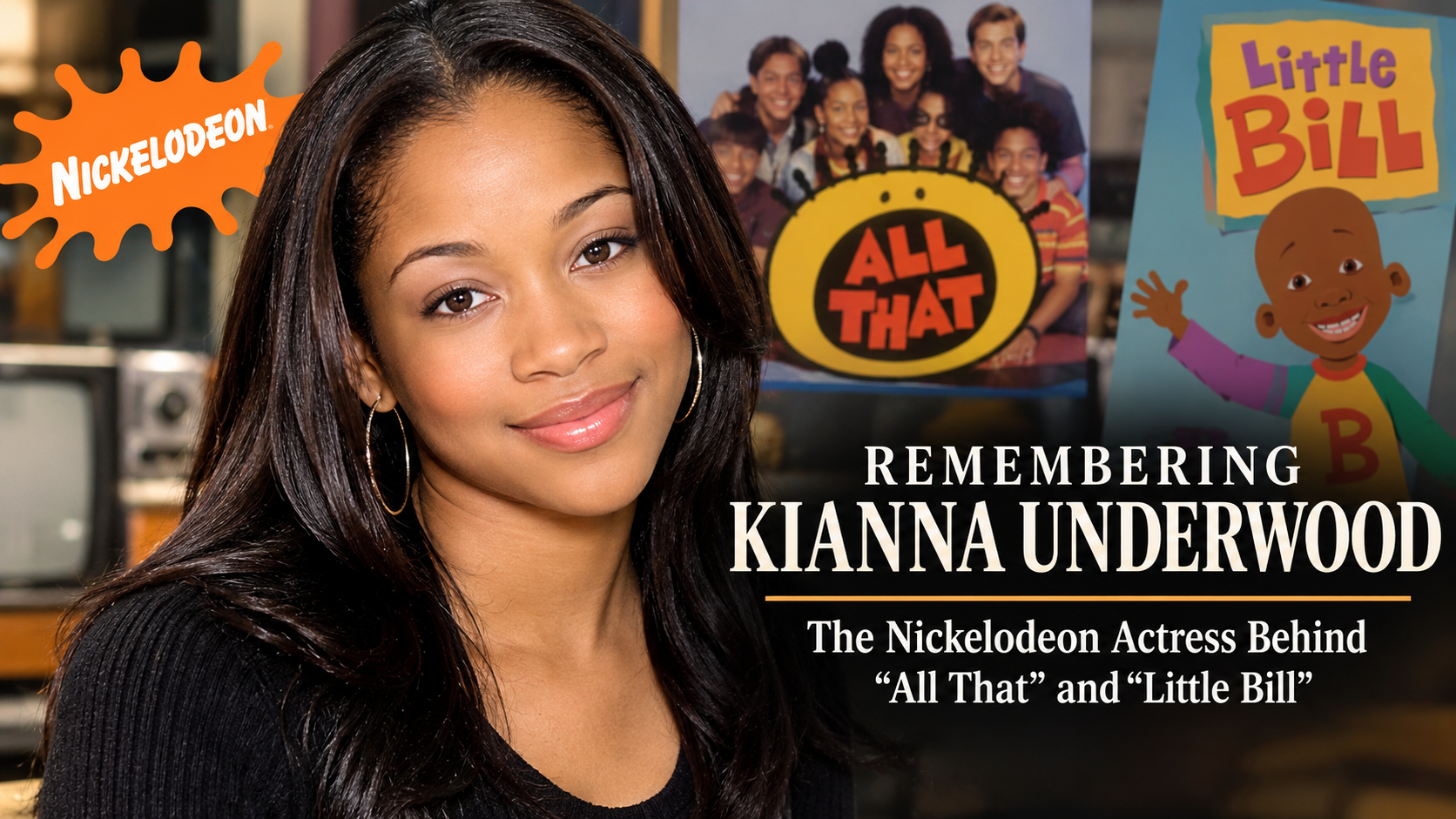
Kianna Underwood was a working child actor who grew up on screen, and her death in January 2026 shocked the generation that grew up watching her.
Note on the topic: search interest in Kianna Underwood describes her as a “rising star.” She was not; she was a former child actress who died on January 16, 2026, at age 33. This article reflects that.
Key Takeaways
- Who she was: a New York-born actress best known for Nickelodeon’s All That and for voicing a character on Little Bill.
- Her death: she was killed in a hit-and-run in the Brownsville section of Brooklyn on January 16, 2026, at age 33, according to the NYPD as reported by WOKV.
- Her career: seven episodes of All That in 2004–05, 23 episodes voicing Fuchsia Glover on Little Bill (1999–2004), and the first national tour of Hairspray as Little Inez (WOKV).
- The investigation: the NYPD was seeking two drivers who did not stay at the scene; check current police updates for any developments.
| Fact | Detail |
|---|---|
| Born | November 28, 1992, New York City (IMDb) |
| Died | January 16, 2026, Brooklyn, NY |
| Known for | All That, Little Bill, The 24-Hour Woman |
| Stage | Hairspray national tour (Little Inez) |
A Career That Started Early
Underwood began working in entertainment around age seven. Her screen credits include the 1999 comedy The 24-Hour Woman and voice work in the animated TV movie Santa, Baby! (WOKV).
On Little Bill, she voiced Fuchsia Glover, the main character’s cousin, across 23 episodes. She then joined the cast of All That for its tenth season, in a supporting role alongside better-known names of that era (WOKV).
For many viewers, those shows are part of childhood. That is why the news spread so quickly.
What Happened on January 16
According to the NYPD, Underwood was crossing at Pitkin Avenue and Mother Gaston Boulevard in Brownsville around 6:45 a.m. when she was struck by a black Ford SUV. She was then struck again by a black-and-gray sedan, and both drivers left the scene (CBS News New York). She was pronounced dead at the scene.
Police said she was crossing without the right of way at the time, and that the SUV driver crossed a double yellow line to pass another vehicle (CBS News New York).
The investigation
Reporting after the incident said police located the owner of the SUV, who told officers he was getting a lawyer, and that detectives were still searching for the sedan’s driver (Yahoo News, via the New York Daily News). I did not find a confirmed update beyond that. Anyone with information can contact the NYPD Crime Stoppers hotline at 1-800-577-TIPS (8477).
Why Her Death Resonated
- Nostalgia. All That and Little Bill defined a generation’s childhood TV.
- Preventable tragedy. Hit-and-run crashes are a persistent concern in New York City.
- Child-star aftermath. Her death renewed conversation about what happens to young performers after the spotlight fades. Coverage should treat that subject with care, and speculation about her private life is not supported by public record.
How to Honor Her Memory
- Share verified information rather than rumors.
- If you know anything about the crash, contact Crime Stoppers.
- Support pedestrian-safety efforts in your community.
Frequently Asked Questions
Who was Kianna Underwood?
A former Nickelodeon child actress who appeared on All That and voiced a character on Little Bill.
How did Kianna Underwood die?
She was struck by two vehicles in a hit-and-run in Brooklyn on January 16, 2026 (CBS News New York).
How old was she?
Thirty-three.
Has anyone been arrested?
Initial reports said no arrests had been made (Fox 35 Orlando, citing AP); check the NYPD for current status.
What was she best known for?
All That, Little Bill, and the Hairspray national tour.
Kianna Underwood’s work is still there to rewatch, and the least anyone can do is remember it accurately.
Discover more from The Monitor
Subscribe to get the latest posts sent to your email.

“Min Ah” is one of the most searched names in Korean drama, and it points to more than one actress. The one driving the biggest buzz right now is Shin Min-a.
Key Takeaways
- Biggest news: Shin Min-a stars as Empress Navier in Disney+’s The Remarried Empress, which premieres November 4, 2026, per Soompi.
- Cast: Ju Ji-hoon plays Emperor Sovieshu, Lee Se-young plays Rashta, and Lee Jong-suk plays Prince Heinrey.
- Scale: the story is based on a web novel and webtoon that recorded about 2.97 billion cumulative global views as of July 2026, and it is Disney+’s first K-romance fantasy (SBS Star).
- Name confusion: other well-known “Min Ah” performers include Kang Min-ah and Minah (Bang Min-ah) of Girl’s Day. This article explains who is who.
| Name | Known for | Latest news |
|---|---|---|
| Shin Min-a | Leading roles in major dramas and films | The Remarried Empress (Nov 4, 2026) |
| Kang Min-ah | Actress represented by H&Entertainment | Drama Sympathetic Cells with Kim Myung-soo; premiere date announced June 2026 (MyDramaList) |
| Minah (Bang Min-ah) | Former Girl’s Day member turned actress | Born May 13, 1993; Girl’s Day debut in 2010 (Dramabeans) |
Shin Min-a’s Next Big Role: The Remarried Empress
Disney+ confirmed on August 26 that the series would premiere on November 4, releasing a teaser and character posters (Soompi). The story follows Navier, the “perfect empress” of the Eastern Empire, who is told by her husband that he wants a divorce after he falls for a runaway slave, Rashta. Instead of accepting defeat, Navier asks permission to remarry, choosing the prince of a rival kingdom.
Release plan
According to industry coverage, the ten-part series will debut with a four-episode drop and then release two episodes each Wednesday through a November 25 finale, and it streams on Hulu in the U.S. (Resonate). The same report says the first three episodes will screen at the Busan International Film Festival, which runs October 6–15.
Why it matters
This is the clearest sign of how K-drama has become a global asset. Platforms are paying for fantasy adaptations of internet-born stories with huge built-in audiences, and they are casting established leads to carry them.
Why Shin Min-a’s Popularity Travels
- Longevity. She has worked consistently in Korean drama since the early 2000s, and her credits on MyDramaList span more than two decades (MyDramaList).
- Genre range. From romantic comedy to Netflix thriller Karma and a 2026 film, The Eyes, in which she plays dual roles (MyDramaList).
- Global platforms. Disney+, Netflix, and Hulu give Korean series simultaneous worldwide releases.
The Other “Min Ah” Actresses
Kang Min-ah
A Seoul-born actress with credits since the 2010s. MyDramaList lists a 2026 drama, Sympathetic Cells, with Kim Myung-soo, whose premiere date was announced in June (MyDramaList).
Minah (Bang Min-ah)
She debuted with Girl’s Day in 2010, made her acting debut on the tvN variety program Roller Coaster, and later won a Best New Actress trophy at the 2013 Gwangju International Film Festival for the film Holly. She led the 2020 film Snowball, which earned a Screen International Rising Star Asia Award at the New York Asian Film Festival (Dramabeans).
How to Search the Right Person
Add the family name: “Shin Min-a,” “Kang Min-ah,” or “Bang Minah.” Spelling varies in English (Min-a, Mina, Min Ah), which is why results get mixed.
Frequently Asked Questions
Who is Min Ah in K-drama?
There are several, but the most prominent right now is Shin Min-a, starring in The Remarried Empress.
When does The Remarried Empress premiere?
November 4, 2026, on Disney+ (Soompi).
Who is in the cast?
Shin Min-a, Ju Ji-hoon, Lee Jong-suk, and Lee Se-young.
Is Min Ah the same as Minah from Girl’s Day?
No. Minah is Bang Min-ah, a different performer (Dramabeans).
How popular is the source story?
The webtoon had about 2.97 billion global views as of July 2026 (SBS Star).
Whichever Min Ah you were searching for, the pattern is the same: Korean drama talent now finds its audience everywhere at once.
Discover more from The Monitor
Subscribe to get the latest posts sent to your email.

Elon Musk Calls Mukesh Ambani the “Real Boss of India” Over Alleged Monopoly Concerns

Legal Pioneer and Defender of Justice: The Life, Works, and Legacy of Navi Pillay

Inside the Modern Republican Party Platform: Tax Policy, Immigration, and Governance

Anne Carson: Genius of Hybrid Forms and 2026 Nobel Laureate in Literature

Analyzing the Republican Voter Enthusiasm Gap: Turnout Metrics and Polling Data

The West Wing Legacy: Why the Political Drama Is More Relevant Than Ever

Remembering Kianna Underwood: The Nickelodeon Actress Behind “All That” and “Little Bill”

Min Ah: The Global Impact and Rising Popularity of the K-Drama Star

Pakistan Warns UN Security Council of AI Risks to Global Peace and Equality

Best iPhone 18 Pro Max Cases: Premium Protection for Apple’s 2026 Flagship
Pakistan Warns UN Security Council of AI Risks to Global Peace and Equality

Bloodhound Q50: Remembering the Tragic Loss of Chicago’s Rising Drill Star

Remembering Eliana Moreno: The Legacy of NBC LA’s “Eli in the Heli”

Horror Box Office Economics: ROI, Market Share and the 2026

iOS 27 Release Date & Siri AI: The Ultimate Tech News Guide for iPhone 18 Users

Club América’s Financial Playbook: The Economics and Valuation of Latin American Football
Min Ah: The Global Impact and Rising Popularity of the K-Drama Star

Fortress Diplomacy: How China’s Secretive Hongqi N701 Matches America’s Legendary “Beast”
-

 Featured5 years ago
The Right-Wing Politics in United States & The Capitol Hill Mayhem
-

 News5 years ago
Prioritizing health & education most effective way to improve socio-economic status: President
-

 China5 years ago
Coronavirus Pandemic and Global Response
-

 Canada5 years ago
Socio-Economic Implications of Canadian Border Closure With U.S
-

 Democracy5 years ago
Missing You! SPSC
-

 Conflict5 years ago
Kashmir Lockdown, UNGA & Thereafter
-
Democracy5 years ago
President Dr Arif Alvi Confers Civil Awards on Independence Day
-

 Digital6 years ago
Pakistan Moves Closer to Train One Million Youth with Digital Skills