
Health
💰 The GLP-1 Earthquake: How Trump’s RX Deal Upends Novo Nordisk, Eli Lilly, and the Future of Weight Loss Drug Coverage

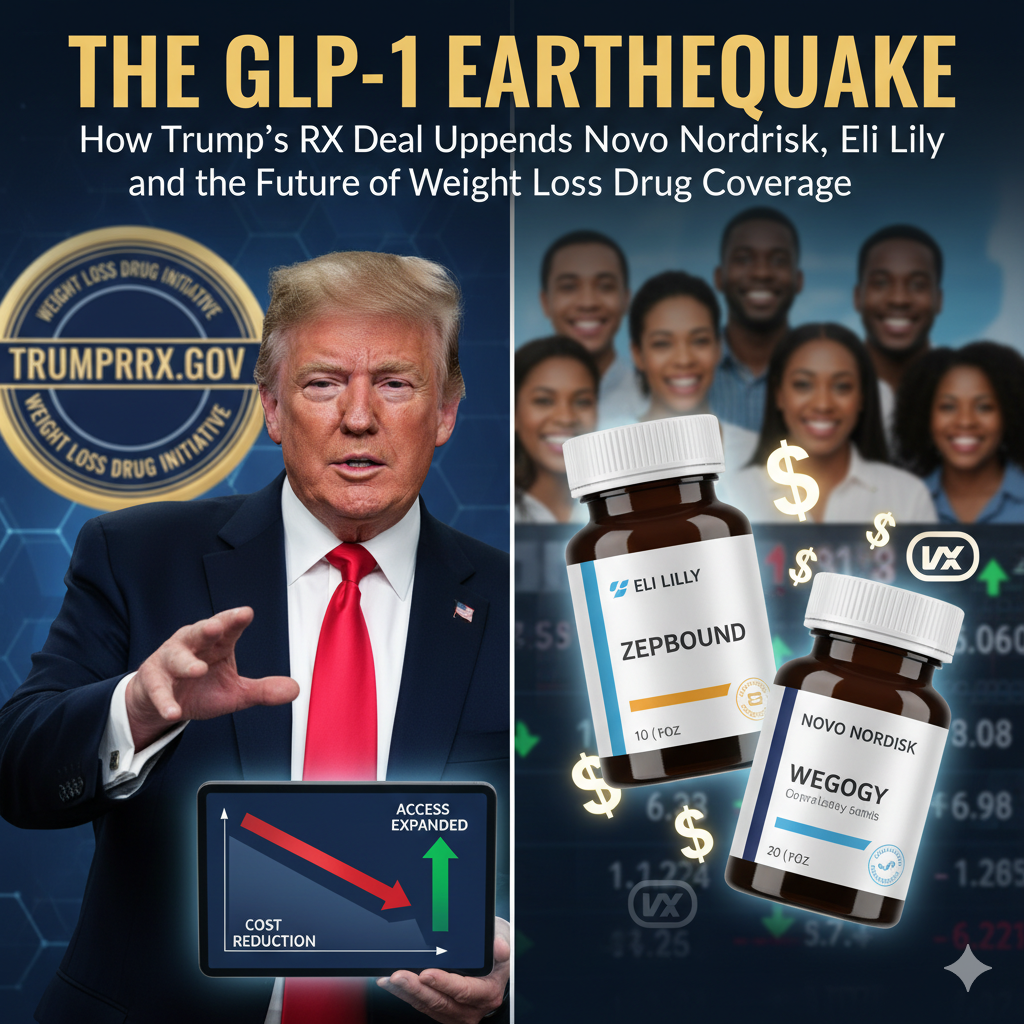
Breaking analysis on the trump rx deal with Eli Lilly and Novo Nordisk to slash costs for Wegovy and Zepbound. Explore the market impact and latest news on GLP-1 access.
Table of Contents
📰 The Political-Pharma Collision: Trump RX, GLP-1s, and the War on Drug Prices
In a moment that has sent seismic ripples through both political circles and the global pharmaceutical industry, President Donald J. Trump has unveiled a landmark deal aimed at dramatically reducing the cost and expanding the coverage of the most transformative medicines of the decade: the GLP-1 (glucagon-like peptide 1) weight-loss drugs.1
Using the highly publicized platform of the nascent Trump RX initiative, a new direct-to-consumer (DTC) pricing model, the administration announced agreements with two pharmaceutical giants, Eli Lilly and Novo Nordisk, the dominant forces behind treatments like Zepbound and Wegovy.2 This move, executed through the administration’s “Most-Favored-Nation” policy push, is not just a healthcare reform play; it is a direct intervention into a multi-billion-dollar market, creating both immense opportunity and profound uncertainty for investors and millions of patients.3
This article provides a deep dive into the latest news surrounding the trump announcement today, analyzing the specific financial details, the implications for Medicare and Medicaid, the projected market shifts for Eli Lilly and Novo Nordisk, and what the trumprx.gov platform means for the future of prescription drug distribution in America. This is the business news today with the most significant long-term impact on the health and wealth of the nation.
1. The Real-Time Details of the Trump RX/GLP-1 Deal
The core of the trump weight loss drug coverage agreement, announced on Thursday, November 6, 2025, centers on price commitments and expanded coverage for key GLP-1 medications.4 This information, drawn from the most recent White House fact sheets and independent reporting, clarifies the scope of the trump rx program:
Key Pricing Commitments on TrumpRX
| Drug & Manufacturer | Original List Price (Approx.) | New Price on TrumpRx (Cash Pay) | Medicare/Medicaid Price | Medicare Beneficiary Co-Pay |
| Wegovy (Novo Nordisk) | $1,350/month | $350/month (trending to $245) | $245/month | $50/month |
| Zepbound (Eli Lilly) | $1,086/month | $346/month (trending to $245) | $245/month | $50/month |
| Oral GLP-1s (Starting Dose) | N/A (Pending FDA Approval) | $149-$150/month | $149-$150/month | Varies |
- Expanded Coverage: Crucially, the agreement means Medicare will, for the first time, cover the cost of Wegovy and Zepbound for patients with obesity and related co-morbidities.5 Prior to this, Medicare generally only covered GLP-1s when used specifically to treat Type 2 diabetes (e.g., Ozempic, Mounjaro).
- The TrumpRx.gov Platform: The agreement leverages the new public website, trumprx.gov, which acts as a direct-to-consumer (DTC) portal.6 This platform allows patients to purchase the medications directly from the manufacturer at the newly negotiated, drastically reduced cash prices, bypassing traditional pharmacy benefit managers (PBMs) for cash-paying customers.7
Quote: “This is the biggest drug in our country, and that’s why this is the most important of all the [most favored nation] announcements we’ve made. This is going to have the biggest impact on the American people.” — 8Health and Human Services Secretary Robert F. Kennedy, Jr.
2. 📉 Market Reaction: Eli Lilly and Novo Nordisk on Edge
The market’s initial response to the October and November news regarding the trump announcement and the use of “Most-Favoured-Nation” pricing for GLP-1 drugs was predictable: a sharp, albeit contained, sell-off reflecting investor anxiety over margin compression.9
- Eli Lilly (LLY) and Novo Nordisk (NVO) Stock: Following the President’s signals in the weeks leading up to the formal deal, both LLY and NVO shares experienced volatility, with initial drops of approximately 4-6% in pre-market trading.10 The concern is that while the expanded patient pool (via Medicare/Medicaid) represents higher volume, the drastically lower effective prices—especially the $245/month rate for government programs and the sub-$150 price for future oral versions—will squeeze the companies’ historically high U.S. profit margins.
- The Volume-vs-Value Equation: The bull case for both companies remains strong, arguing that the reduction in price will open up an essentially unlimited market of millions of previously uninsured or under-insured Americans. The immediate loss in per-unit revenue may be offset by a massive increase in volume as the trump weight loss drug coverage plan provides a pathway for sustained access.
- Investment in Innovation: A secondary market concern is whether forcing prices so low, particularly for novel drugs like Zepbound (tirzepatide) and Wegovy (semaglutide), will disincentivize future high-risk research and development (R&D) efforts by pharmaceutical companies.11
3. The Exponential GLP-1 Market: Data and Forecasts
The political intervention arrives as the market for GLP-1 receptor agonists is already exploding, driven by their unprecedented efficacy in both diabetes and weight management.12 This is the financial context driving the business news today:
GLP-1 Market Growth
- 2025 Market Valuation: The global GLP-1 receptor agonist market is valued at approximately $53 billion to $63 billion in 2025.13
- CAGR Forecast: Projections for the Compound Annual Growth Rate (CAGR) vary, but most reports forecast robust growth, ranging from 12.3% to a staggering 17.5% through 2030 and beyond.14 This is driven primarily by the obesity indication.15
- Dominant Segments: North America, with its high rates of diabetes and obesity, holds the largest market share (around 76%).16 The obesity application segment is expected to be the fastest-growing in the coming years.17
The trump rx agreement essentially acts as a massive accelerator for this growth, immediately injecting millions of Medicare and potentially Medicaid beneficiaries into the demand pool for Zepbound and Wegovy.18 The cost savings in treating obesity-related co-morbidities—such as heart disease, diabetes, and sleep apnea—are being used to justify the initial expenditure on the medications, with the administration suggesting the move could be budget-neutral within two years.
4. Beyond the Shot: The Race for Oral GLP-1s and the Future
A critical detail in the trump announcement is the pre-emptive pricing for future oral GLP-1 formulations.19 By setting the starting dose price for yet-to-be-approved pill versions at approximately $150/month, the administration has signaled its intent to manage costs before the next wave of blockbusters even hits the market.20
This puts immense pressure on manufacturers to accelerate their pipeline drugs, such as Eli Lilly’s oral orforglipron.21 The convenience of a pill versus an injection (Wegovy and Zepbound are injectable) is expected to drive even higher patient uptake, further fueling the market, even at the lower negotiated prices. The battle for market share between Eli Lilly (with its dual-agonist GIP/GLP-1 approach) and Novo Nordisk (the current market leader) is now moving squarely into the realm of affordability and access, with the government as a major new player.22
Conclusion: A New Paradigm for Drug Affordability
The trumprx deal on GLP-1 drugs is more than a policy shift; it is a fundamental re-alignment of power in the U.S. pharmaceutical space. It delivers on a core promise of the trump rx platform by significantly expanding access to life-changing therapies while using federal leverage to curb list prices.23
The outcome will be watched closely by the entire healthcare ecosystem. If the trump weight loss drug coverage initiative successfully controls costs while simultaneously driving massive patient volume, it could become the new template for drug coverage, permanently altering how companies like Eli Lilly and Novo Nordisk price their future innovations. For millions of Americans suffering from obesity and related chronic diseases, the announcement represents a historic, long-awaited pathway to affordable treatment.24
❓ FAQ: Trump RX and GLP-1 Drug Coverage
Q1: What is Trump RX and trumprx.gov?
A: Trump RX is the administration’s initiative for lowering prescription drug prices, primarily through negotiating Most-Favored-Nation (MFN) agreements with manufacturers.25 trumprx.gov is a public-facing website announced to be the direct-to-consumer (DTC) portal where patients can purchase negotiated drugs, such as Wegovy and Zepbound, at reduced cash prices.26
Q2: How does the trump weight loss drug coverage deal affect Medicare patients?
A: For the first time, Medicare will cover popular obesity drugs like Wegovy and Zepbound for patients with obesity and related co-morbidities.27 Medicare beneficiaries who qualify will pay a co-pay of only $50 per month for these medications, a massive reduction from the previous cost of over $1,000/month.28
Q3: Why did Eli Lilly and Novo Nordisk agree to lower prices?
A: The drugmakers agreed to the price reductions in exchange for access to the massive, previously untapped Medicare and Medicaid patient populations for their anti-obesity drugs.29 The increased volume is expected to potentially offset the lower per-unit revenue, while also proactively managing the political and public pressure over high drug costs.
Q4: Are the new GLP-1 prices of $245-$350 for everyone?
A: The lowest prices, specifically the $245/month rate, are primarily targeted at government programs like Medicare and Medicaid, and will also be the “trended down” price for cash-paying customers on TrumpRX.30 Cash-paying customers using the DTC platform will initially see prices around $346-$350, though these are still significantly lower than the drugs’ list prices.
Q5: What is the current latest news on the GLP-1 market?
A: The latest news is the formal trump announcement on November 6, 2025, detailing the price cuts and coverage expansion for Zepbound and Wegovy.31 The market continues to focus on the rapid development of oral GLP-1 medications and the long-term impact of this political intervention on pharmaceutical R&D investment.
Discover more from The Monitor
Subscribe to get the latest posts sent to your email.



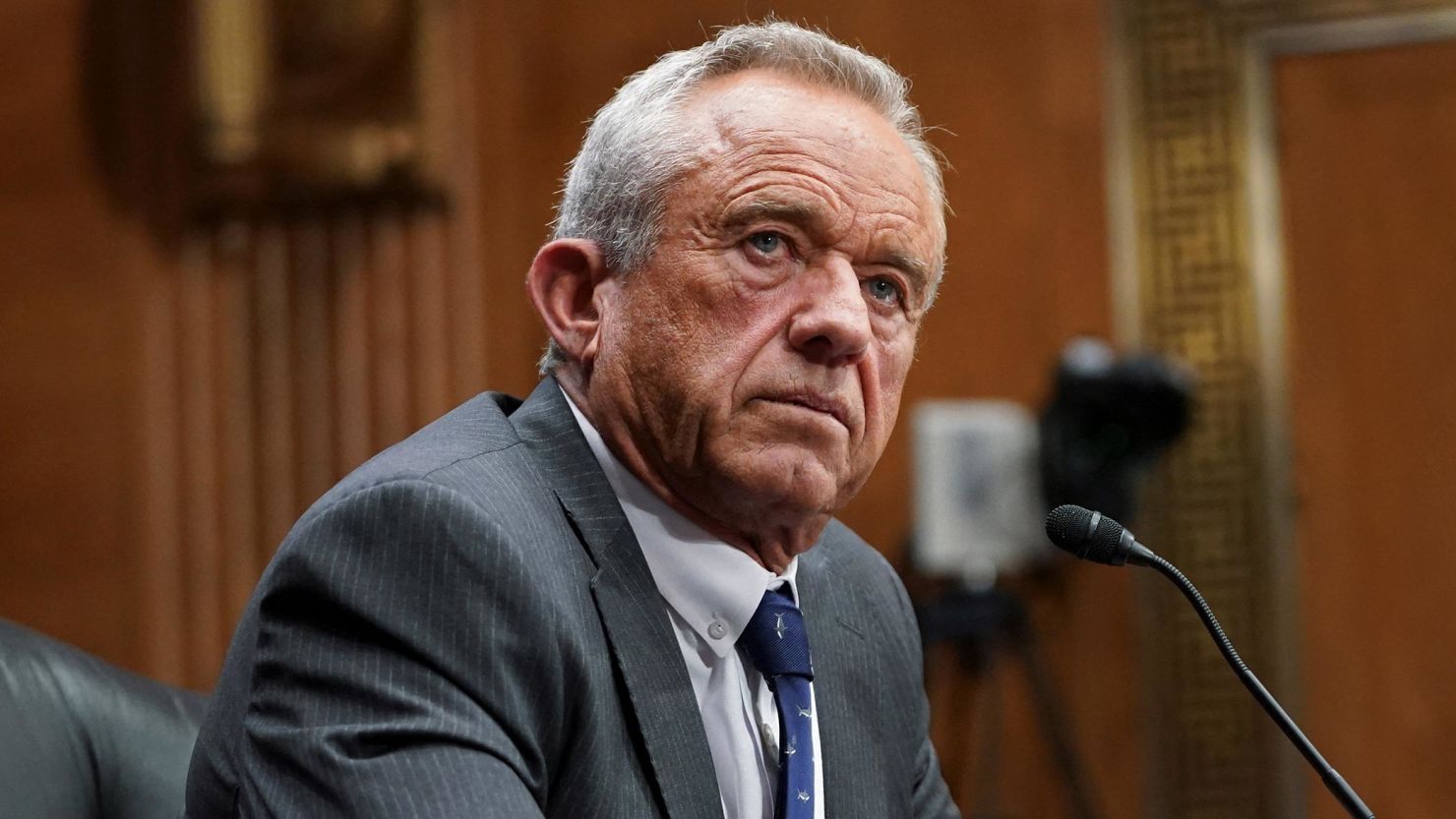
New documents contradict RFK Jr.’s Senate testimony about his 2019 Samoa trip, prompting calls for a criminal investigation. Here’s the legal background and what it could mean for U.S. health policy.
Key Takeaways
- Newly obtained letters contradict Health and Human Services Secretary Robert F. Kennedy Jr.’s repeated Senate testimony that his 2019 trip to Samoa “had nothing to do with vaccines.”
- The letters, reported by The Guardian and the Associated Press, show Kennedy told Samoa’s prime minister before the trip that he wanted to investigate the measles, mumps, and rubella (MMR) vaccine used there.
- Sen. Ron Wyden (D-OR) has called for a criminal investigation, and government watchdog group American Oversight has formally asked the Department of Justice to investigate whether Kennedy violated federal law by making false statements to Congress.
- Making false statements to Congress can be a federal crime, though legal experts note there is conflicting information about whether Kennedy was formally under oath during his confirmation hearings, and prosecutions of this kind are historically rare.
- The controversy comes amid an active measles outbreak in the United States, with critics directly linking current public health conditions to Kennedy’s leadership and historical anti-vaccine advocacy.
What the New Documents Show
During his Senate confirmation hearings in early 2025, then-nominee Robert F. Kennedy Jr. was repeatedly questioned about a 2019 trip he took to Samoa, which coincided with a measles epidemic that killed 83 people, many of them children. Kennedy told multiple senators, under direct questioning, that his visit had “nothing to do with vaccines”:
- To Sen. Ron Wyden (D-OR): “I went there, nothing to do with vaccines. I went there to introduce a medical informatics system that would digitalize records in Samoa and make health delivery much more efficient.”
- To Sen. Ed Markey (D-MA): “My purpose in going down there had nothing to do with vaccines.”
- Kennedy also told senators he did not influence Samoans’ vaccination decisions during the trip.
According to reporting first published by The Guardian and corroborated by the Associated Press, newly obtained letters show that before the trip, Kennedy wrote to the Samoan prime minister explicitly stating he wanted to investigate the MMR vaccine used in the country — directly contradicting his sworn testimony to Congress. Critics allege Kennedy’s visit, and his broader anti-vaccine messaging, contributed to reduced vaccination rates in Samoa ahead of the outbreak that followed his departure.
The Legal Question: Did Kennedy Commit a Crime?
The Relevant Law
Making false statements to, or concealing material facts from, the federal government can constitute a federal felony under U.S. law. Legal commentary following the revelation has noted that knowingly lying to Congress is a crime, “although it is rarely prosecuted” in practice — a critical caveat for anyone following this story with expectations of a swift legal outcome.
Complicating Factors
- Oath status: There are conflicting reports about whether Kennedy was formally under oath during his confirmation hearings. Legal experts note that even without a formal oath, providing false information to Congress during an official confirmation process can still carry legal exposure under certain federal statutes governing false statements to government bodies.
- Prosecutorial discretion: Any criminal referral would need to go through the Department of Justice, which currently operates under the same administration that appointed Kennedy — a dynamic that multiple commentators have noted makes near-term prosecution highly unlikely.
- Political mechanics: Sen. Wyden has explicitly acknowledged this dynamic, stating his intent to pressure Senate Republicans for a criminal referral now, while also signaling that Senate Democrats would prioritize accountability for Kennedy “when Democrats retake the majority.”
Who Is Calling for Action
- Sen. Ron Wyden, the top Democrat on the Senate Finance Committee, called for a criminal investigation, stating: “RFK’s platform is built on lies and grifts that leave a trail of dead children in their wake. There are consequences for lying to Congress.”
- American Oversight, a government watchdog organization, sent a formal letter to the Department of Justice on August 27, 2026, requesting an immediate investigation into whether Kennedy violated federal law by making false statements to Congress.
- Sen. Angela Alsobrooks (D-MD) connected the controversy directly to current public health conditions, telling CNN that America’s ongoing measles outbreak could be “tied directly to the horrific leadership of Secretary Kennedy.”
The Public Health Backdrop
This controversy is unfolding against the backdrop of an active measles crisis in the United States, which critics argue has been exacerbated by policies pursued under Kennedy’s leadership at HHS. Notable recent developments include:
- Kennedy joining President Trump for the signing of an executive order on childhood vaccines in August 2026.
- Ongoing friction between Kennedy and Republican senators with medical backgrounds, including Sen. Bill Cassidy (R-LA), who has periodically pushed back on vaccine-related policy positions and CDC guidance changes.
- Changes to CDC vaccine advisory board membership and vaccine-autism guidance language that have drawn criticism from public health researchers and some members of Kennedy’s own party.
What This Means for Future Health Policy
Regulatory and Legislative Risk
Regardless of whether a criminal investigation ultimately materializes, the controversy carries several concrete implications for organizations operating in the health policy and healthcare compliance space:
- Increased congressional oversight scrutiny of HHS actions and communications is likely to intensify, particularly if Democrats regain a Senate majority in the 2026 midterms, as Wyden has explicitly signaled.
- Vaccine policy volatility may continue, with public health, healthcare provider, and insurance stakeholders needing to monitor CDC guidance changes closely given the political environment surrounding HHS leadership.
- State-level public health responses may diverge further from federal guidance, particularly in jurisdictions where officials are skeptical of current HHS vaccine messaging, creating potential compliance complexity for national healthcare providers and pharmaceutical companies.
Political Risk Heading Into the Midterms
The controversy adds to a growing list of oversight flashpoints that could shape the 2026 midterm campaign narrative around health policy, particularly in districts with competitive Senate or House races where vaccine policy and public health trust are salient issues.
Actionable Takeaways for Stakeholders
- Healthcare and pharmaceutical organizations should monitor congressional oversight activity closely, as intensified scrutiny of HHS could affect regulatory timelines and guidance stability.
- Public health communicators should prepare for continued public confusion or distrust around vaccine guidance stemming from ongoing controversy at the HHS leadership level.
- Legal and compliance teams tracking government affairs should watch for any DOJ response to the American Oversight referral request, as it could signal broader shifts in how the administration handles internal accountability questions.
- Political and policy analysts should track how this controversy factors into 2026 midterm messaging, particularly given explicit statements from Senate Democrats about prioritizing HHS accountability if they regain the majority.
Frequently Asked Questions
Did RFK Jr. lie to Congress during his confirmation hearings? Newly obtained letters reported by The Guardian and the Associated Press appear to contradict Kennedy’s repeated Senate testimony that his 2019 Samoa trip “had nothing to do with vaccines,” showing he told Samoa’s prime minister beforehand that he intended to investigate the MMR vaccine used there — though it is ultimately a determination for investigators and, potentially, courts to make.
Could RFK Jr. face criminal charges over his confirmation testimony? Making false statements to Congress can constitute a federal crime, but legal commentators note such prosecutions are rare, there is conflicting information about whether Kennedy was formally under oath, and any referral would need to proceed through a Department of Justice that currently operates under the same administration that appointed him.
How does this controversy affect current U.S. vaccine and health policy? The controversy is unfolding amid an active U.S. measles outbreak and ongoing friction between Kennedy and some Senate Republicans over vaccine guidance, suggesting continued volatility in federal public health messaging and potential intensified congressional oversight of HHS regardless of the investigation’s ultimate outcome.
Discover more from The Monitor
Subscribe to get the latest posts sent to your email.
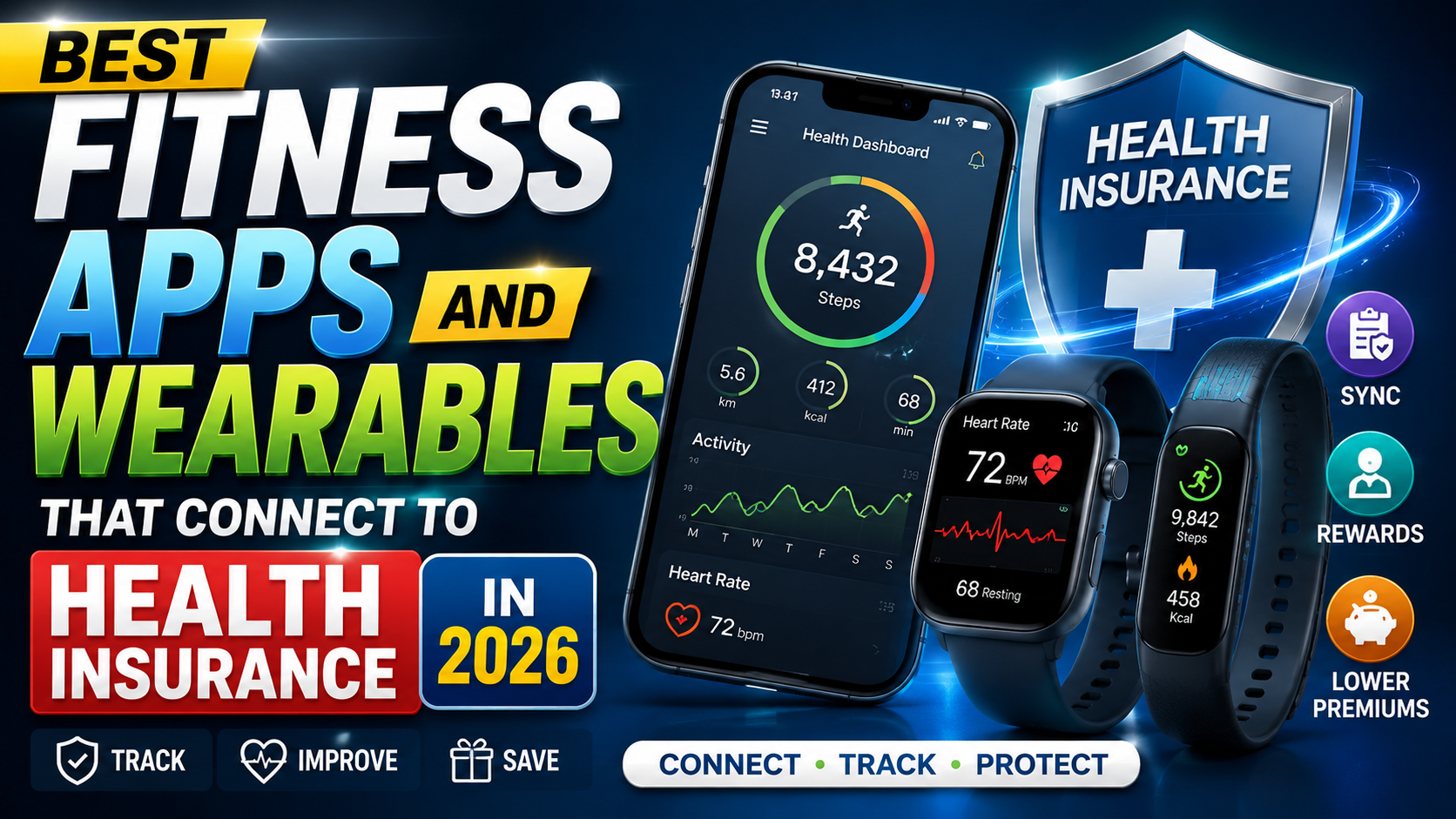
Health insurers have moved well past simple step-count discount programs — in 2026, a growing number of major carriers now offer meaningful premium reductions, gift cards, and even direct cost-sharing benefits tied to data from popular fitness apps and wearable devices. If you’re already wearing a fitness tracker or using a workout app, there’s a good chance you’re leaving real financial value on the table by not connecting it to your health insurance plan’s wellness program.
This guide covers which fitness apps and wearables integrate most seamlessly with major health insurance wellness programs in 2026, what kind of financial benefits you can realistically expect, and how to set up the integration properly so your data actually counts toward your insurer’s incentive program. If you’ve been tracking your workouts without connecting that data to your insurance benefits, this is worth twenty minutes of setup for potentially hundreds of dollars in annual savings.
Why Insurers Are Investing Heavily in Wearable Data Integration
From an insurer’s perspective, wearable-verified activity data solves a long-standing problem: self-reported wellness program participation is notoriously unreliable, while wearable data provides objective, continuous verification of healthy behaviors. This has driven insurers to build increasingly sophisticated partnerships directly with device manufacturers and fitness app developers, creating integrated programs where your daily activity, sleep, and even heart rate variability data feed directly into your wellness program standing.
For insurers, this isn’t purely altruistic — verified healthier behavior correlates with lower claims costs over time, making these programs a genuine actuarial bet that’s paying off enough to justify continued expansion. For policyholders, it means the financial upside for staying active has become more concrete and more immediate than in years past.
Top Fitness Apps and Wearables for Insurance Integration
Not every device or app connects equally well to every insurance program, so matching your existing fitness tools to your specific insurer’s supported integrations matters before assuming you’re eligible for available incentives.
Wearables With Strong Insurance Integration
- Apple Watch – Broadly supported across major insurer wellness programs, often with device subsidy programs directly through certain carriers
- Fitbit – Long-standing insurer partnerships, particularly strong integration with employer-sponsored wellness platforms
- Oura Ring – Increasingly integrated for sleep and recovery-focused wellness metrics, appealing to insurers expanding beyond step-count-only programs
- Garmin – Strong integration for more serious athletes, often accepted alongside broader activity-tracking wellness programs
- Whoop – Growing insurer acceptance, particularly for programs emphasizing recovery and stress metrics alongside activity
Fitness Apps With Insurance Wellness Program Integration
- Apple Health / Google Fit – Serve as the common data-aggregation layer most insurer integrations pull from directly
- Strava – Increasingly accepted for cardio and endurance activity verification in wellness incentive programs
- MyFitnessPal – Nutrition tracking integration used by some comprehensive wellness programs beyond pure activity metrics
- Peloton – Direct partnerships with select insurers offering discounted or subsidized access tied to usage verification
Comparing Insurance-Linked Wellness Incentives
| Program Type | Typical Benefit | Verification Method | Common Requirement |
|---|---|---|---|
| Premium discount programs | 5-15% annual premium reduction | Wearable-verified activity data | Consistent activity threshold met monthly |
| Gift card/points programs | $100-$500+ annual value | App/wearable sync | Points accumulated through logged activity |
| Device subsidy programs | Partial or full device cost coverage | Enrollment + sustained usage | Minimum usage period before full subsidy applies |
| HSA/FSA contribution matching | Employer or insurer matching contributions | Wellness program completion | Annual wellness milestone completion |
How to Set Up the Integration Correctly
- Check your specific insurer’s wellness program portal for a list of officially supported apps and devices before assuming your current setup qualifies
- Complete any required account linking through your insurer’s app or member portal, not just the device manufacturer’s app alone
- Review data-sharing permissions carefully — understand exactly what health data is being shared and how it’s used beyond the wellness incentive program
- Set calendar reminders for any activity thresholds required to maintain your discount or incentive tier, since many programs require sustained monthly participation
- Confirm how incentive payouts are delivered (premium credit, gift card, HSA contribution) so you know what to expect and can verify it’s actually applied
Privacy Considerations Worth Understanding
Connecting wearable health data to your insurance plan does involve sharing more granular personal health information than a standard policy requires, and it’s worth understanding your insurer’s specific data usage and retention policy before enrolling. Most reputable programs limit data usage to the wellness incentive purpose and don’t factor wearable data into underwriting or claims decisions directly, but policies vary, and reading the specific data-sharing agreement — not just the marketing page — is worth the extra few minutes.
Getting the Most Value From Multiple Devices or Apps
Many people already own more than one fitness-tracking tool — a smartwatch plus a nutrition app, for example — and it’s worth understanding whether your insurer’s wellness program allows combining data sources or requires designating a single primary integration. Some programs are structured to reward the most complete data picture, weighting combined activity, sleep, and nutrition logging more favorably than a single data stream alone, while others simplify things by only accepting one connected source at a time. If you’re deciding which device to prioritize connecting first, checking your specific program’s scoring methodology can help you get more credit for data you’re likely already generating anyway, rather than defaulting to whichever app happened to sync first.
What Happens as You Age Into Different Coverage Needs
Wellness incentive programs aren’t static, and it’s worth understanding how your eligibility and benefit structure might shift as you move between employer-sponsored coverage, individual marketplace plans, or Medicare-eligible coverage over time. Employer-sponsored wearable programs are generally the most robust in terms of incentive value, since employers have a direct financial stake in workforce health outcomes, while individual marketplace plans have historically offered more limited wellness incentive structures, though this gap has been narrowing as more insurers compete on wellness benefits to differentiate otherwise similar plan offerings. If you’re anticipating a coverage transition — leaving an employer, aging into new plan options, or shopping the individual market for the first time — it’s worth specifically comparing wellness program robustness alongside the more traditional factors like premium and deductible, since the wearable-linked savings can meaningfully offset an otherwise higher-premium plan if you’re a consistently active participant.
Frequently Asked Questions
Will my insurance premium go up if my activity data shows I’m not very active? Reputable wellness programs are generally structured to offer incentives for participation and improvement rather than penalize inactivity directly, but it’s worth reading your specific program’s terms carefully, since structures vary by insurer and some programs are more opt-in-reward-based than others.
Do I need a specific insurance plan tier to access wearable wellness incentives?
This varies by insurer — some make wellness program integration available across all plan tiers, while others reserve the more substantial incentive programs for specific plan levels. Checking your plan’s specific benefits summary or member portal is the most reliable way to confirm your eligibility.
What happens to my wearable data if I switch insurance plans or providers?
Data sharing agreements are typically specific to the insurer and program you enrolled through, meaning switching plans usually requires re-enrolling in a new wellness program with your new insurer and reconnecting your device or app from scratch, rather than the data automatically transferring.
Are employer-sponsored wellness programs different from individual insurance wellness programs?
Yes, though they often use similar underlying technology. Employer-sponsored programs are typically integrated with a company’s group health plan and may include additional employer-funded incentives beyond what an individual market insurance plan would offer directly.
Final Thoughts
The financial upside of connecting your fitness app or wearable device to your health insurance wellness program has become substantial enough in 2026 that it’s worth the modest setup effort for almost anyone already tracking their activity. Between premium discounts, gift card incentives, and device subsidy programs, insurers are increasingly rewarding verified healthy behavior in ways that go well beyond the token step-count challenges of a few years ago.
Have you connected your fitness tracker to your health insurance wellness program, and has it actually translated into real savings? Share your experience in the comments.
Discover more from The Monitor
Subscribe to get the latest posts sent to your email.
Analysis
What Is Nipah Virus? Symptoms, Risks, and Transmission Explained as India Faces New Outbreak Alert
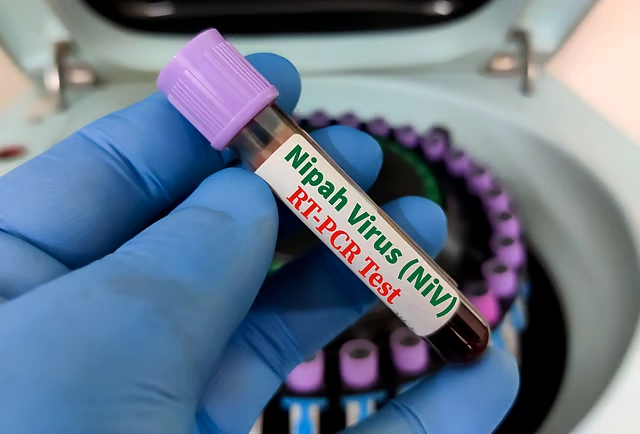
KOLKATA, West Bengal—In the intensive care unit of a Kolkata hospital, shielded behind layers of protective glass, a team of healthcare workers moves with a calibrated urgency. Their patient, a man in his forties, is battling an adversary they cannot see and for which they have no specific cure. He is one of at least five confirmed cases in a new Nipah virus outbreak in West Bengal, a stark reminder that the shadow of zoonotic pandemics is long, persistent, and profoundly personal. Among the cases are two frontline workers, a testament to the virus’s stealthy human-to-human transmission. Nearly 100 contacts now wait in monitored quarantine, their lives paused as public health officials race to contain a pathogen with a terrifying fatality rate of 40 to 75 percent.
This scene in India is not from a dystopian novel; it is the latest chapter in a two-decade struggle against a virus that emerges from forests, carried by fruit bats, to sporadically ignite human suffering. As of January 27, 2026, containment efforts are underway, but the alert status remains high. There is no Nipah virus vaccine, no licensed antiviral. Survival hinges on supportive care, epidemiological grit, and the hard-learned lessons from past outbreaks in Kerala and Bangladesh.
For a global audience weary of pandemic headlines, the name “Nipah” may elicit a flicker of recognition. But what is Nipah virus, and why does its appearance cause such profound concern among virologists and public health agencies worldwide? Beyond the immediate crisis in West Bengal, this outbreak illuminates the fragile interplay between a changing environment, animal reservoirs, and human health—a dynamic fueling the age of emerging infectious diseases.

Understanding the Nipah Virus: A Zoonotic Origin Story
Nipah virus (NiV) is not a newcomer. It is a paramyxovirus, in the same family as measles and mumps, but with a deadlier disposition. It was first identified in 1999 during an outbreak among pig farmers in Sungai Nipah, Malaysia. The transmission chain was traced back to fruit bats of the Pteropus genus—the virus’s natural reservoir—who dropped partially eaten fruit into pig pens. The pigs became amplifying hosts, and from them, the virus jumped to humans.
The South Asian strain, however, revealed a more direct and dangerous pathway. In annual outbreaks in Bangladesh and parts of India, humans contract the virus primarily through consuming raw date palm sap contaminated by bat urine or saliva. From there, it gains the ability for efficient human-to-human transmission through close contact with respiratory droplets or bodily fluids, often in家庭or hospital settings. This capacity for person-to-person spread places it in a category of concern distinct from many other zoonoses.
“Nipah sits at a dangerous intersection,” explains a virologist with the World Health Organization’s (WHO) Emerging Diseases unit. “It has a high mutation rate, a high fatality rate, and proven ability to spread between people. While its outbreaks have so far been sporadic and localized, each event is an opportunity for the virus to better adapt to human hosts.” The WHO lists Nipah as a priority pathogen for research and development, alongside Ebola and SARS-CoV-2.
Key Symptoms and Progression: From Fever to Encephalitis
The symptoms of Nipah virus infection can be deceptively nonspecific at first, often leading to critical delays in diagnosis and isolation. The incubation period ranges from 4 to 14 days. The illness typically progresses in two phases:
- Initial Phase: Patients present with flu-like symptoms including:
- High fever
- Severe headache
- Muscle pain (myalgia)
- Vomiting and sore throat
- Neurological Phase: Within 24-48 hours, the infection can progress to acute encephalitis (brain inflammation). Signs of this dangerous progression include:
- Dizziness, drowsiness, and altered consciousness.
- Acute confusion or disorientation.
- Seizures.
- Atypical pneumonia and severe respiratory distress.
- In severe cases, coma within 48 hours.
According to the US Centers for Disease Control and Prevention (CDC), the case fatality rate is estimated at 40% to 75%, a staggering figure that varies by outbreak and local healthcare capacity. Survivors of severe encephalitis are often left with long-term neurological conditions, such as seizure disorders and personality changes.
Transmission Routes and Risk Factors
Understanding Nipah virus transmission is key to breaking its chain. The routes are specific but expose critical vulnerabilities in our food systems and healthcare protocols.
- Zoonotic (Animal-to-Human): The primary route. The consumption of raw date palm sap or fruit contaminated by infected bats is the major risk factor in Bangladesh and India. Direct contact with infected bats or their excrement is also a risk. Interestingly, while pigs were the intermediate host in Malaysia, they have not played a role in South Asian outbreaks.
- Human-to-Human: This is the driver of hospital-based and家庭clusters. The virus spreads through:
- Direct contact with respiratory droplets (coughing, sneezing) from an infected person.
- Contact with bodily fluids (saliva, urine, blood) of an infected person.
- Contact with contaminated surfaces in clinical or care settings.
This mode of transmission makes healthcare workers exceptionally vulnerable, as seen in the current West Bengal cases and the devastating 2018 Kerala outbreak, where a nurse lost her life after treating an index patient. The lack of early, specific symptoms means Nipah can enter a hospital disguised as a common fever.
The Current Outbreak in West Bengal: Containment Under Pressure
The Nipah virus India 2026 outbreak is centered in West Bengal, with confirmed cases receiving treatment in Kolkata-area hospitals. As reported by NDTV, state health authorities have confirmed at least five cases, including healthcare workers, with one patient in critical condition. The swift response includes:
- The quarantine and daily monitoring of nearly 100 high-risk contacts.
- Isolation wards established in designated hospitals.
- Enhanced surveillance in the affected districts.
- Public advisories against consuming raw date palm sap.
This outbreak echoes, but is geographically distinct from, the several deadly encounters Kerala has had with the virus, most notably in 2018 and 2023. Each outbreak tests India’s increasingly robust—yet uneven—infectious disease response infrastructure. The Indian Council of Medical Research (ICMR) and the National Institute of Virology (NIV) have deployed teams and are supporting rapid testing, which is crucial for containment.
Airports in the region, recalling measures from previous health crises, have reportedly instituted thermal screening for passengers from affected areas, a move aimed more at public reassurance than efficacy, given Nipah’s incubation period.
Why the Fatality Rate Is So High: A Perfect Storm of Factors
The alarming Nipah virus fatality rate is a product of biological, clinical, and systemic factors:
- Neurotropism: The virus has a strong affinity for neural tissue, leading to rapid and often irreversible brain inflammation.
- Lack of Specific Treatment: There is no vaccine for Nipah virus and no licensed antiviral therapy. Treatment is purely supportive: managing fever, ensuring hydration, treating seizures, and, in severe cases, mechanical ventilation. Monoclonal antibodies are under development and have been used compassionately in past outbreaks, but they are not widely available.
- Diagnostic Delays: Early symptoms mimic common illnesses. Without rapid, point-of-care diagnostics, critical isolation and care protocols are delayed, increasing the opportunity for spread and disease progression.
- Healthcare-Associated Transmission: Outbreaks can overwhelm infection prevention controls in hospitals, turning healthcare facilities into amplification points, which increases the overall case count and mortality.
Global Implications and Preparedness
While the current Nipah virus outbreak is a local crisis, its implications are global. In an interconnected world, no outbreak is truly isolated. The World Health Organization stresses that Nipah epidemics can cause severe disease and death in humans, posing a significant public health concern.
Furthermore, Nipah is a paradigm for a larger threat. Habitat loss and climate change are bringing wildlife and humans into more frequent contact. The Pteropus bat’s range is vast, spanning from the Gulf through the Indian subcontinent to Southeast Asia and Australia. Urbanization and agricultural expansion increase the odds of spillover events.
“The story of Nipah is the story of our time,” notes a global health security analyst in a piece for SCMP. “It’s a virus that exists in nature, held in check by ecological balance. When we disrupt that balance through deforestation, intensive farming, or climate stress, we roll the dice on spillover. West Bengal today could be somewhere else tomorrow.”
International preparedness is patchy. High-income countries have sophisticated biosecurity labs but may lack experience with the virus. Countries in the endemic region have hard-earned field experience but often lack resources. Bridging this gap through data sharing, capacity building, and joint research is essential.
Prevention and Future Outlook
Until a Nipah virus vaccine becomes a reality, prevention hinges on public awareness, robust surveillance, and classical public health measures:
- Community Education: In endemic areas, public campaigns must clearly communicate the dangers of consuming raw date palm sap and advise covering sap collection pots to prevent bat access.
- Enhanced Surveillance: Implementing a “One Health” approach that integrates human, animal, and environmental health monitoring to detect spillover events early.
- Hospital Readiness: Ensuring healthcare facilities in at-risk regions have protocols for rapid identification, isolation, and infection control, and that workers have adequate personal protective equipment (PPE).
- Accelerating Research: The pandemic has shown the world the value of platform technologies for vaccines. Several Nipah virus vaccine candidates are in various trial stages, supported by initiatives like the Coalition for Epidemic Preparedness Innovations (CEPI). Similarly, research into antiviral treatments like remdesivir and monoclonal antibodies must be prioritized.
The future outlook is one of cautious vigilance. Eradicating Nipah is impossible—its reservoir is wild, winged, and widespread. The goal is effective management: early detection, swift containment, and reducing the case fatality rate through better care and, eventually, medical countermeasures.
Conclusion: A Test of Vigilance and Cooperation
The patients in Kolkata’s isolation wards are more than statistics; they are a poignant call to action. The Nipah virus India outbreak in West Bengal is a flare in the night, illuminating the persistent vulnerabilities in our global health defenses. It reminds us that while COVID-19 may have redefined our scale of concern, it did not invent the underlying risks.
Nipah’s high fatality rate and capacity for human-to-human transmission demand respect, but not panic. The response in West Bengal demonstrates that with swift action, contact tracing, and community engagement, chains of transmission can be broken, even without a magic bullet cure.
Ultimately, the narrative of Nipah is not solely one of threat, but of trajectory. It shows where we have been—reactive, often scrambling. And it points to where we must go: toward a proactive, collaborative, and equitable system of pandemic preparedness. This means investing in research for neglected pathogens, strengthening health systems at the grassroots, and respecting the delicate ecological balances that, when disturbed, send silent passengers from the forest into our midst. The goal is not just to contain the outbreak of today, but to build a world resilient to the viruses of tomorrow.
Discover more from The Monitor
Subscribe to get the latest posts sent to your email.

MLB Playoffs 2026: Postseason Format, Broadcast Guide and How to Track the Bracket

Elon Musk Calls Mukesh Ambani the “Real Boss of India” Over Alleged Monopoly Concerns

Legal Pioneer and Defender of Justice: The Life, Works, and Legacy of Navi Pillay

Inside the Modern Republican Party Platform: Tax Policy, Immigration, and Governance

Anne Carson: Genius of Hybrid Forms and 2026 Nobel Laureate in Literature

Analyzing the Republican Voter Enthusiasm Gap: Turnout Metrics and Polling Data

The West Wing Legacy: Why the Political Drama Is More Relevant Than Ever

Remembering Kianna Underwood: The Nickelodeon Actress Behind “All That” and “Little Bill”

Min Ah: The Global Impact and Rising Popularity of the K-Drama Star

Pakistan Warns UN Security Council of AI Risks to Global Peace and Equality

Bloodhound Q50: Remembering the Tragic Loss of Chicago’s Rising Drill Star

Remembering Eliana Moreno: The Legacy of NBC LA’s “Eli in the Heli”

Horror Box Office Economics: ROI, Market Share and the 2026

iOS 27 Release Date & Siri AI: The Ultimate Tech News Guide for iPhone 18 Users
Min Ah: The Global Impact and Rising Popularity of the K-Drama Star

Fortress Diplomacy: How China’s Secretive Hongqi N701 Matches America’s Legendary “Beast”

Rep. Thomas Massie’s Impeachment Push Against Pete Hegseth, Explained
Remembering Kianna Underwood: The Nickelodeon Actress Behind “All That” and “Little Bill”
-

 Featured5 years ago
The Right-Wing Politics in United States & The Capitol Hill Mayhem
-

 News5 years ago
Prioritizing health & education most effective way to improve socio-economic status: President
-

 China5 years ago
Coronavirus Pandemic and Global Response
-

 Canada5 years ago
Socio-Economic Implications of Canadian Border Closure With U.S
-

 Democracy5 years ago
Missing You! SPSC
-

 Conflict5 years ago
Kashmir Lockdown, UNGA & Thereafter
-
Democracy5 years ago
President Dr Arif Alvi Confers Civil Awards on Independence Day
-

 Digital6 years ago
Pakistan Moves Closer to Train One Million Youth with Digital Skills