
Ukraine
The Future of Ukraine after the Russian Invasion: The Implications of War and the Way Forwardcible


The Russian invasion of Ukraine is not just a conflict of borders; it is a civilisational crucible. For decades, Ukraine grappled with a fragmented identity, pulled between East and West, its sovereignty a prize, not a certainty. The full-scale invasion of 2022 violently shattered that ambiguity, forging a nation defined by its resistance and an unyielding commitment to European democracy. The future of Ukraine will not be a return to the past, but a radical national reset, born from the ashes of war and built on the iron foundation of an irreversible, Western-aligned choice. This is the moment when unity must transmute into radical, irreversible reform, for the war’s end will only mark the beginning of Ukraine’s most profound and challenging battle: the fight for a prosperous, sovereign, and truly European soul.
Table of Contents
💔 The Enduring Cost and Geopolitical Rebirth
The human cost of this war defies the cold comfort of statistics. Beyond the tragic tally of lives lost and the millions displaced—a long-term demographic hole that will haunt the nation for generations—lies a profound, collective psychological wound. The national psyche is steeped in trauma, from the pervasive anxiety of constant shelling to the moral injury suffered by combatants and the grief of families. . Reintegrating millions of veterans, many with physical and “invisible wounds” like PTSD, alongside internally displaced persons (IDPs) and refugees, will be a decades-long task, stretching the capacity of an already-strained social and healthcare system. Current reintegration efforts, often fragmented and over-reliant on outdated benefit systems, must evolve into a comprehensive, trauma-informed “opportunity policy” that supports both the individual and their family, seeing veterans not as recipients of aid, but as national assets.
This existential threat has, paradoxically, clarified Ukraine’s geopolitical destiny. The unprovoked aggression has hardened the nation’s resolve, permanently sealing its “civilizational choice.” Any lingering doubt about whether Ukraine belongs to the Russian “sphere of influence” has been obliterated. The war has become the most powerful accelerator of the Euro-Atlantic integration project since the fall of the Berlin Wall. The path toward EU accession—now cemented as a constitutional goal—is complicated by the war’s instability and the vast scope of required legislative alignment. Yet, the process is an essential anchor for future stability and reform. Crucially, a post-war Ukraine cannot exist without strong, legally binding security guarantees. The non-binding promises of the 1994 Budapest Memorandum are a scar on the national memory. Ukraine needs a robust defense architecture—whether through full NATO membership once conditions allow, or an immediate, binding security treaty modeled on the US-Japan relationship—to deter future aggression and safeguard the billions in reconstruction investment. The only reliable guarantee is a permanent, technologically advanced self-defense capability backed by committed international partners.
🏗️ The Herculean Task of Economic Reconstruction
The task of rebuilding Ukraine is a financial and logistical challenge that invokes the scale of the post-WWII Marshall Plan, yet it faces a modern paradox. Current estimates for reconstruction stand in the hundreds of billions of Euros, a figure that is constantly rising. The complexity lies not just in the colossal sums, but in the intricate choreography of international funding. Mechanisms like the EU’s Ukraine Facility must be coordinated with capital derived from the frozen Russian assets. The legal and financial architecture for using these $200+ billion sovereign funds—potentially via a “reparations loan” backed by the interest generated—is a necessary, moral, and strategically essential mechanism to make the aggressor pay for the destruction, securing predictable, long-term financing that private investors require.
This destruction, however, offers a unique, tragic opportunity to “Build Back Better & Greener.” Instead of restoring obsolete Soviet-era infrastructure, Ukraine can leapfrog outdated technology. The focus must be on a green transition, prioritizing decentralized, resilient energy grids powered by renewables like solar and wind, especially given the vulnerability of centralized fossil-fuel power plants. This transition, alongside a strategic investment in the high-tech, IT, and defense sectors—where Ukraine already demonstrates world-class innovation—is the blueprint for attracting the massive private foreign investment necessary for long-term growth. Investment must move beyond mere charity and into genuine, mutually beneficial enterprise.
However, the greatest internal threat to this ambitious future is not Russian missiles but deep-seated corruption and the entrenched power of the oligarchy. Western aid and the prospect of EU membership hinge entirely on demonstrable, irreversible progress in de-oligarchisation. The war has, to some extent, financially weakened some oligarchs, but their corrosive political influence remains a structural challenge. The Anti-Corruption Litmus Test requires the full, independent operationalisation of anti-corruption agencies (NABU, SAPO, and the High Anti-Corruption Court) and the consistent, uncompromising application of the Anti-Oligarch Law. Failure to fundamentally dismantle these patronage networks would not only choke off the flow of reconstruction funds but would betray the sacrifices made on the battlefield. . Ukraine must prove its commitment to the rule of law not only for Brussels but for its own people, who deserve an economy built on competition and merit, not connections.
🧭 The Way Forward: Sovereignty, Security, and Scrutiny
The final architecture of Ukraine’s future must be built upon three pillars: sovereignty, Security, and Scrutiny.
The foundation of security architecture must be a long-term deterrent. Beyond whatever non-NATO security agreements are forged with G7 allies, Ukraine must maintain a technologically superior, permanently ready military, integrated into Western defense planning and supplied by a robust, indigenous defense industry. This is the ultimate self-guarantee.
The second pillar, Sovereignty, demands a profound Democratic Deepening. Strengthening democratic institutions and the rule of law in the shadow of war is uniquely difficult. The national unity forged in wartime must not be used as an excuse to centralize power or suppress legitimate political opposition and internal debate. The challenge is managing political rivalries while upholding the independence of the media—ensuring it is not recaptured by oligarchic interests—and delivering justice reform that is felt by the average citizen.
The final pillar is Scrutiny. Ukraine must embrace maximum transparency and accountability in its reconstruction, understanding that every Euro and dollar spent is a sacred trust. This scrutiny must come from its Western partners, its vibrant civil society, and its independent press.
The extraordinary national unity forged in war is a powerful, inspiring force. It demonstrated an unbreakable will to defend the nation’s independence. The Final Choice for Ukraine’s political class is whether that profound will can be translated into the excruciatingly difficult, often unpopular, but necessary political will to execute the radical reforms required for true European integration and a prosperous future. Will they choose the path of the Phoenix—a radical, meritocratic rebirth—or will they succumb to the weight of reconstruction and the insidious return of entrenched corruption? The world has committed to helping Ukraine win the war. Ukraine must now commit to winning the peace, by building a state that is not only whole but just and worthy of the sacrifice made. Failure to do so would be the final, most tragic victory for the aggressor.
Discover more from The Monitor
Subscribe to get the latest posts sent to your email.



Analysis
The G7’s Fragile Consensus: Why Europe Is Right to Fear Trump’s Return to Ukraine Negotiations
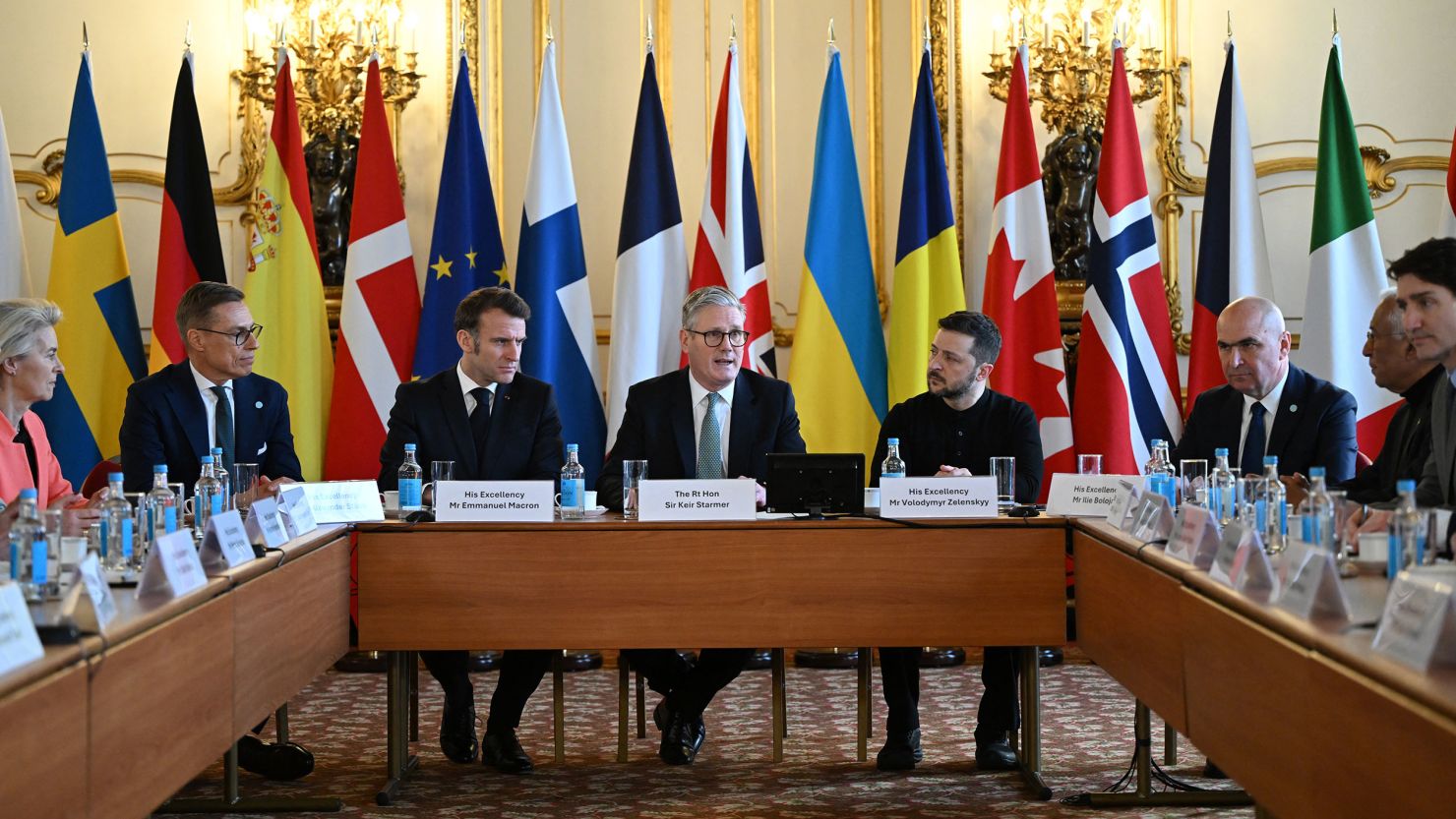
The G7 summit in Évian-les-Bains, France, produced what diplomats were quick to describe as a “rare moment of transatlantic alignment” on both the Iran and Ukraine fronts. Scratch the surface, however, and what emerges is a picture of fragile agreement held together by personal diplomacy, shared anxiety, and the knowledge that the consensus could shatter at any moment — particularly if President Trump decides to give Russia a better deal than Ukraine deserves.
What the G7 Agreed On
The June 2026 G7 summit in Évian delivered several apparent wins. The Islamabad Memorandum, signed on the sidelines of the summit, gave Trump a visible foreign policy achievement. European leaders, though deeply concerned about the terms of the Iran deal, chose unity over public dissent.
On Ukraine: G7 countries appeared to have reached consensus regarding new sanctions on Russia’s oil and gas exports, especially on Moscow’s shadow fleet. The United States indicated it may not extend the waivers it created in response to the Iran war energy crisis that allowed for the sale of Russian crude oil and petroleum already at sea.
On NATO spending: European allies are ramping up defense expenditure at a pace not seen since the Cold War — partly out of genuine conviction, partly out of fear that American security guarantees are becoming conditional.
The Ukrainian Calculation at Évian
European allies and Ukrainian President Volodymyr Zelenskyy worked hard in Évian to dissuade Trump from his often-held belief that Russia has the upper hand no matter what. Their argument: the battlefield has shifted. Ukraine’s military has proven more durable than anyone anticipated. Russia’s weaknesses — manpower, munitions, strategic coherence — have multiplied.
Since the outbreak of the war, Ukraine has assembled the most combat-tested air defense network in the world, drawing important lessons for future conflicts.
And on Russia’s long-term trajectory: The Ukraine war revealed a Russian military that was far more fragile than assumed, and these weaknesses have multiplied as limited resources are funneled toward the immediate demands of the battlefield. When the dust settles, Moscow will face tough questions over whether to rebuild its military capacity as a superpower or a middle power.
This is the argument Zelenskyy wants Trump to hear and believe before U.S. negotiators return to the table with Moscow.
Why Europe Fears What Comes Next
Trump’s announced return to Ukraine negotiations is a fresh stress for Europeans. They worry that the United States’ previously demonstrated leniency on Russia could once again undermine what they see as a moment of opportunity for Ukraine.
The specific fear: that Trump, having secured a deal with Iran that critics call one-sided, will apply the same urgency-over-substance approach to Ukraine — and that the result could be a settlement that legitimizes Russian territorial gains, weakens Ukrainian sovereignty, and emboldens Putin.
The European strategy in response: Their idea is to ramp up sanctions pressure on Russia while opening their own channels of communication — led by the E3 of France, Germany, and the United Kingdom — to convince Putin that he holds the weaker hand and should consider serious talks.
The NATO Complication: Europe on Its Own?
The G7 alignment on Ukraine exists against the backdrop of deep NATO tension. The framework agreement on Iran has almost overshadowed the serious rift that emerged between Europe and the United States over the continent’s limited contribution to the Iran war, which has led to U.S. troop withdrawals from Germany.
Secretary of State Marco Rubio has flagged “significant changes” needed for NATO. Defense Secretary Pete Hegseth announced a six-month review of U.S. troop deployments in Europe. The Pentagon has informed allies it intends to scale back long-range strike aircraft and reduce available fighter jets for NATO missions.
For Europeans, the takeaway from Évian is that alignment with Washington is worth pursuing — but it cannot be counted on. The stronger they make Ukraine and themselves, the less it matters whether Trump blinks.
This is the unsentimental new doctrine of European strategic autonomy: not anti-American, but no longer dependent on American reliability.
The Russia Sanctions Consensus: Durable or Fragile?
The agreement on Russian sanctions is among the more substantive achievements of the Évian summit. But its durability is far from certain. European allies worry this consensus may be short-lived — particularly if Trump, his Middle East envoy Steve Witkoff, and son-in-law Jared Kushner return to the Ukraine file and do more harm than good.
Witkoff’s track record in the Iran negotiations — producing a framework that CSIS characterizes as lopsided against U.S. interests — does not inspire confidence among European chancelleries.
Conclusion: Alignment Without Trust
The G7 Évian summit produced alignment. It did not produce trust. European leaders left France with a clearer sense of where the gaps lie — and a renewed determination to build strategic depth that does not depend on Washington’s consistency.
The central paradox of 2026 transatlantic relations: Europe and the United States are formally aligned on Ukraine and Iran, informally at odds over strategy, trust, and the distribution of risk. That gap — between the public consensus and the private anxiety — is where the next crisis will be born.
Discover more from The Monitor
Subscribe to get the latest posts sent to your email.
NATO
Unpacking NATO’s Troop Deployments in Ukraine: Navigating the Path to Peace Amidst Nuclear Risks
Introduction
In recent times, the geopolitical landscape has been fraught with tensions, particularly surrounding NATO’s plans for troop deployments in Ukraine. The implications of such actions have sparked concerns about the potential for nuclear war. This article delves into the intricacies of NATO’s troop deployments in Ukraine and analyzes the risks associated with these manoeuvres.

Understanding NATO’s Troop Deployments in Ukraine:
NATO’s decision to deploy troops in Ukraine stems from a desire to bolster security in the region amidst escalating tensions with Russia. The alliance aims to support Ukraine’s sovereignty and deter further Russian aggression. However, these deployments have raised alarm bells due to the proximity to Russia’s borders and the potential for miscalculations that could lead to a dangerous escalation.
Assessing the Nuclear Threat:
The spectre of nuclear war looms large over any conflict involving major powers like NATO and Russia. The presence of troops in Ukraine increases the risk of inadvertent clashes that could spiral out of control, potentially leading to a catastrophic nuclear exchange. Understanding the dynamics of nuclear deterrence and the challenges it poses in a volatile situation is crucial in assessing the gravity of the situation.

Historical Context and Lessons Learned:
Drawing lessons from past conflicts and crises can provide valuable insights into how to navigate the current situation. Historical examples such as the Cuban Missile Crisis highlight the dangers of brinkmanship and the importance of clear communication channels to prevent misunderstandings that could trigger a nuclear catastrophe.
Diplomatic Efforts and De-escalation Strategies:
Amidst heightened tensions, diplomatic efforts play a crucial role in preventing conflicts from escalating into full-blown wars. Engaging in dialogue, promoting transparency, and seeking common ground are essential components of de-escalation strategies that can help defuse tensions and reduce the risk of nuclear confrontation.
The Role of International Organizations and Multilateral Cooperation:
International organizations like the United Nations play a pivotal role in mediating conflicts and promoting peaceful resolutions. Multilateral cooperation is essential in addressing complex security challenges and fostering stability in regions facing geopolitical tensions. Leveraging diplomatic channels through international platforms can help mitigate risks and prevent conflicts from spiralling out of control.
Conclusion:
As NATO’s troop deployments in Ukraine continue to provoke concerns about the specter of nuclear war, it is imperative for all parties involved to exercise restraint, prioritize dialogue over confrontation, and work towards peaceful resolutions. By understanding the risks involved, learning from history, and engaging in diplomatic efforts, we can navigate these turbulent times with caution and foresight.
Discover more from The Monitor
Subscribe to get the latest posts sent to your email.
European Union
A Pyrrhic Victory for Ukraine: Hungary’s Veto Casts a Shadow Over EU Membership Dream
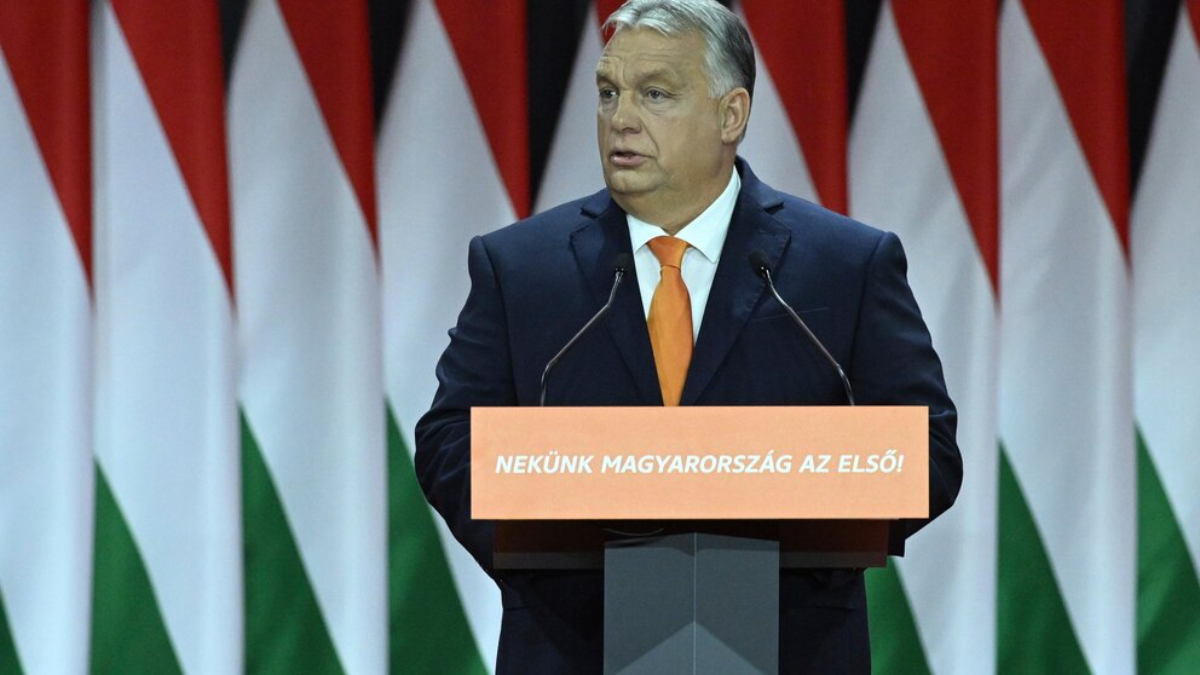
In a night of stark contrasts, the European Union offered Ukraine a glimmer of hope by opening the door to membership, only to have Hungary slam it shut on crucial financial aid. While President Zelensky hailed the accession talks as a “victory,” the bitter sting of Hungary’s veto on a €50 billion aid package left a bitter aftertaste. This geopolitical chess game, unfolding amidst the backdrop of a brutal war, raises critical questions about solidarity, unity, and the true meaning of European values.
Hungary’s decision, orchestrated by Prime Minister Viktor Orbán, stands as a stark reminder that the path to EU membership is fraught with political hurdles. Orbán, a long-time critic of Ukraine’s President Zelensky and a close ally of Russian President Putin cited concerns about Ukraine’s readiness and the potential burden on Hungary as reasons for his veto. However, many see this move as politically motivated, a calculated leveraging of EU funds frozen over rule-of-law concerns.
This cynical ploy throws a wrench into the narrative of unwavering European support for Ukraine. The war-torn nation, battling for its very existence against Russian aggression, desperately needs this financial lifeline. The €50 billion package, earmarked for reconstruction, humanitarian aid, and military assistance, is not a luxury, but a lifeline. Every euro withheld is a victory for Putin, prolonging the suffering of the Ukrainian people.
Hungary’s isolation in this decision is palpable. All 26 other member states backed the aid package, highlighting the widening chasm between Orbán’s nationalist populism and the EU’s values of unity and solidarity. The European Council President, Charles Michel, called Orbán’s veto “unjustifiable,” and the chorus of condemnation from other member states is growing.
Beyond the immediate financial impact, Hungary’s veto casts a shadow over the future of EU enlargement. The prospect of Ukraine’s accession, once seen as a symbol of European unity against Russian aggression, is now tainted by political manoeuvring and self-interest. This raises concerns about the EU’s credibility as a beacon of hope and a guarantor of security for aspiring members.
However, amidst the disappointment, there are glimmers of hope. The opening of accession talks for Ukraine is a significant step forward, a tangible recognition of the country’s democratic aspirations and its unwavering commitment to European values. It is a clear message to Putin that Ukraine has a future within the European fold, a future that cannot be extinguished by bombs or vetoes.
Moving forward, the EU must find a way to overcome this internal friction. Hungary’s veto cannot be allowed to derail the Ukrainian people’s legitimate pursuit of membership. Potential solutions could include amending the voting procedure for future aid packages, exploring alternative funding mechanisms, or even imposing sanctions on Hungary for obstructionism.
Ultimately, the responsibility lies with Orbán. He must choose whether to stand on the side of history, supporting Ukraine in its fight for freedom and democracy, or remain tethered to his own narrow political agenda. The eyes of Europe, and indeed the world, are watching.
The story of Hungary’s veto is not just about euros and political gamesmanship. It is a story about the values that define Europe – solidarity, unity, and the courage to stand up for what is right in the face of adversity. While the sting of the veto is immediate, the long-term consequences depend on how the EU and its member states respond. Will they allow Orbán’s cynicism to dim the light of European hope for Ukraine? Or will they rise to the challenge, reaffirming the values that bind them together and forging a path towards a future where all of Europe stands united against tyranny and oppression?
This is not just a question for politicians and diplomats; it is a question for every European citizen. We must demand that our leaders stand on the right side of history, that they reject the cynicism and self-interest that fueled Hungary’s veto, and that they work tirelessly to ensure that Ukraine’s dream of European membership does not become another casualty of this tragic war.
The fight for Ukraine’s future is far from over. The opening of accession talks is a victory, but the battle for financial aid, for unity, and the very soul of Europe continues. We must stand with Ukraine, not just in words, but in deeds, ensuring that the light of hope kindled by the EU’s embrace does not flicker out, but burns brightly, guiding Ukraine towards a future it so rightfully deserves.
Discover more from The Monitor
Subscribe to get the latest posts sent to your email.

MLB Playoffs 2026: Postseason Format, Broadcast Guide and How to Track the Bracket

Elon Musk Calls Mukesh Ambani the “Real Boss of India” Over Alleged Monopoly Concerns

Legal Pioneer and Defender of Justice: The Life, Works, and Legacy of Navi Pillay

Inside the Modern Republican Party Platform: Tax Policy, Immigration, and Governance

Anne Carson: Genius of Hybrid Forms and 2026 Nobel Laureate in Literature

Analyzing the Republican Voter Enthusiasm Gap: Turnout Metrics and Polling Data

The West Wing Legacy: Why the Political Drama Is More Relevant Than Ever

Remembering Kianna Underwood: The Nickelodeon Actress Behind “All That” and “Little Bill”

Min Ah: The Global Impact and Rising Popularity of the K-Drama Star

Pakistan Warns UN Security Council of AI Risks to Global Peace and Equality

Bloodhound Q50: Remembering the Tragic Loss of Chicago’s Rising Drill Star

Remembering Eliana Moreno: The Legacy of NBC LA’s “Eli in the Heli”

Horror Box Office Economics: ROI, Market Share and the 2026

iOS 27 Release Date & Siri AI: The Ultimate Tech News Guide for iPhone 18 Users
Min Ah: The Global Impact and Rising Popularity of the K-Drama Star

Fortress Diplomacy: How China’s Secretive Hongqi N701 Matches America’s Legendary “Beast”

Rep. Thomas Massie’s Impeachment Push Against Pete Hegseth, Explained
Remembering Kianna Underwood: The Nickelodeon Actress Behind “All That” and “Little Bill”
-

 Featured5 years ago
The Right-Wing Politics in United States & The Capitol Hill Mayhem
-

 News5 years ago
Prioritizing health & education most effective way to improve socio-economic status: President
-

 China5 years ago
Coronavirus Pandemic and Global Response
-

 Canada5 years ago
Socio-Economic Implications of Canadian Border Closure With U.S
-

 Democracy5 years ago
Missing You! SPSC
-

 Conflict5 years ago
Kashmir Lockdown, UNGA & Thereafter
-
Democracy5 years ago
President Dr Arif Alvi Confers Civil Awards on Independence Day
-

 Digital6 years ago
Pakistan Moves Closer to Train One Million Youth with Digital Skills